Visiting Egypt is a dream for many travelers. From the golden sands of the Sahara to the majestic Pyramids of Giza and the sparkling waters of the Red Sea, the country is filled with history, adventure, and vibrant culture. But before you step onto your flight, one big question lingers — what to pack for Egypt?
Packing for Egypt can be tricky. The country’s climate ranges from scorching desert heat to cooler evenings by the Nile, and cultural expectations also influence what’s appropriate to wear. Whether you’re a woman, a man, or traveling during summer or winter, this guide will help you pack smartly, comfortably, and respectfully.
Understanding Egypt’s Climate and Culture
Before diving into the details of your packing list, it’s important to understand the environment you’re preparing for. Egypt is mostly desert, meaning hot days and cool nights are common, especially in inland areas like Luxor or Aswan. Along the Mediterranean coast and the Red Sea resorts, temperatures are milder but still warm year-round.
Culturally, Egypt is a conservative country. While cities like Cairo and tourist areas such as Sharm El Sheikh are more relaxed, it’s respectful — especially for women — to dress modestly when exploring temples, markets, and mosques. Lightweight clothing that covers your shoulders and knees is ideal for blending comfort with respect.
What to Pack for Egypt for a Week
If you’re visiting Egypt for a week, focus on practical, breathable items that can handle warm days and cooler nights. Think lightweight layers, comfortable shoes for exploring ancient sites, and essentials to stay sun-safe and hydrated.
Start with a few sets of light, loose clothing made from cotton or linen. These fabrics allow your skin to breathe while protecting you from the intense sun. Long-sleeved shirts and ankle-length trousers not only provide comfort but also help you respect local customs.
Footwear is another essential part of your Egypt packing list. You’ll likely spend hours walking through temples, tombs, and museums, so a sturdy pair of comfortable walking shoes or sandals with a good grip is a must. If you plan to visit the beach or take a cruise on the Nile, pack a pair of flip-flops for casual wear.
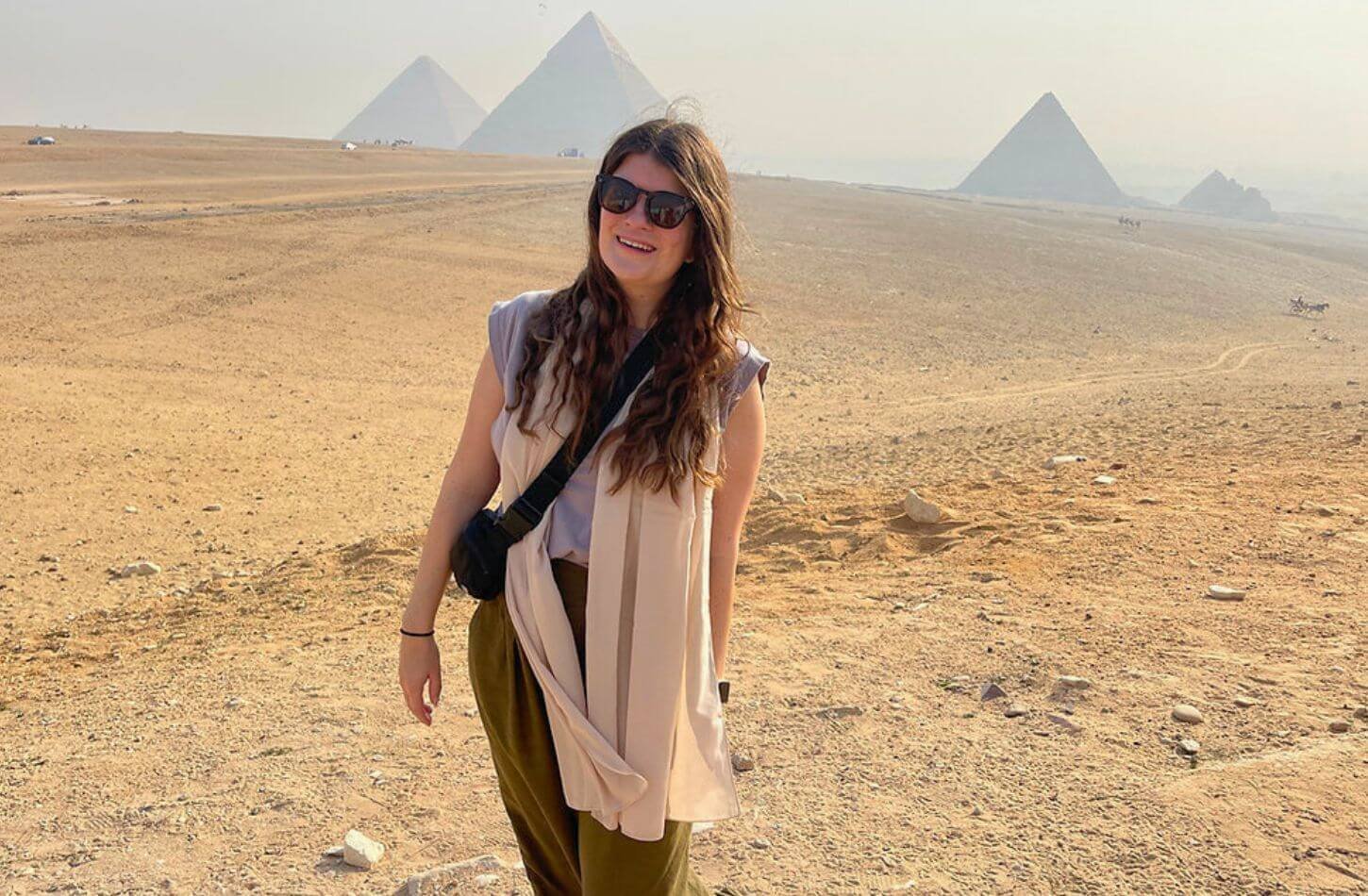
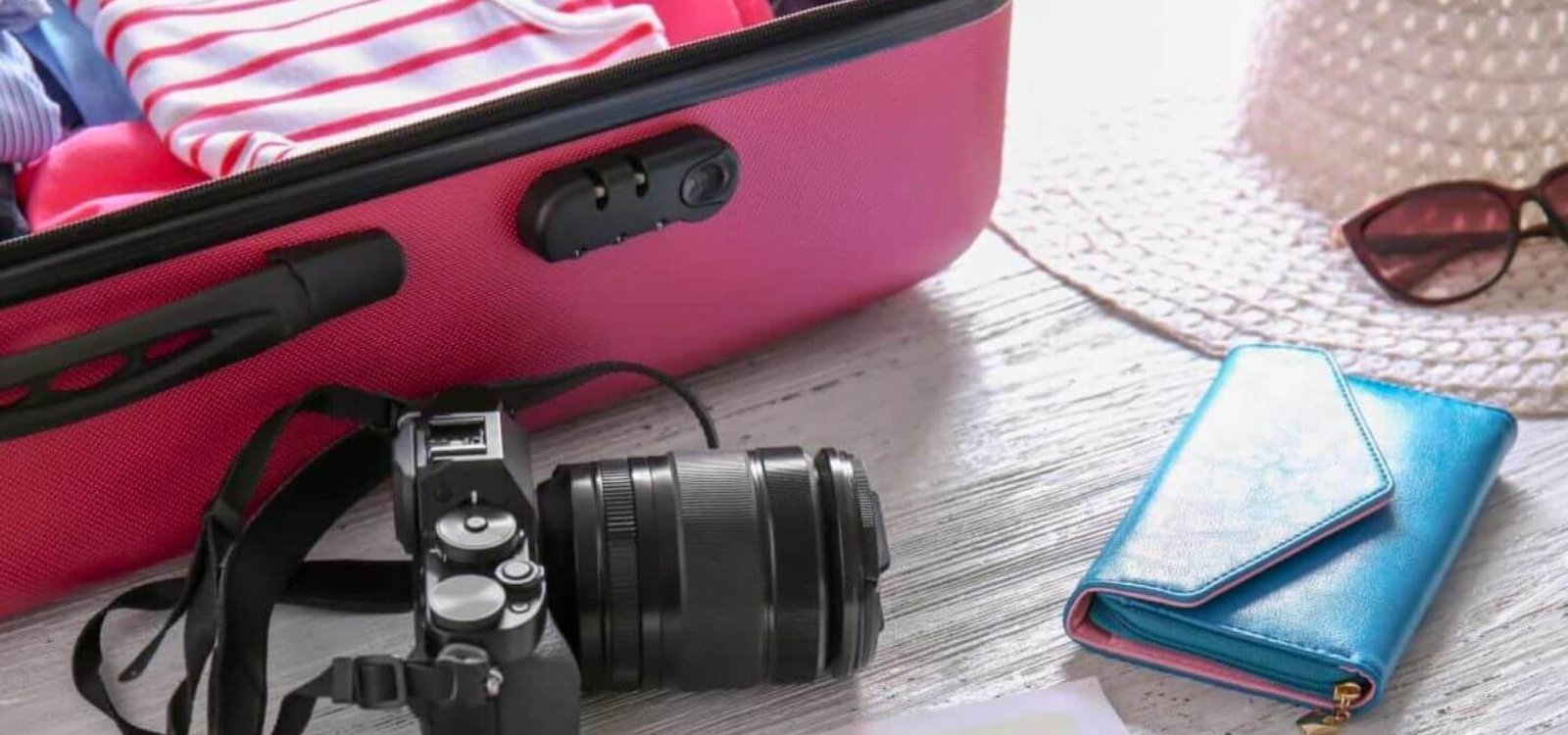
Because Egypt’s sun can be harsh, a wide-brimmed hat, sunglasses, and a lightweight scarf or shawl are indispensable. Sunscreen with high SPF and reusable water bottles will help you stay protected and hydrated throughout your trip.
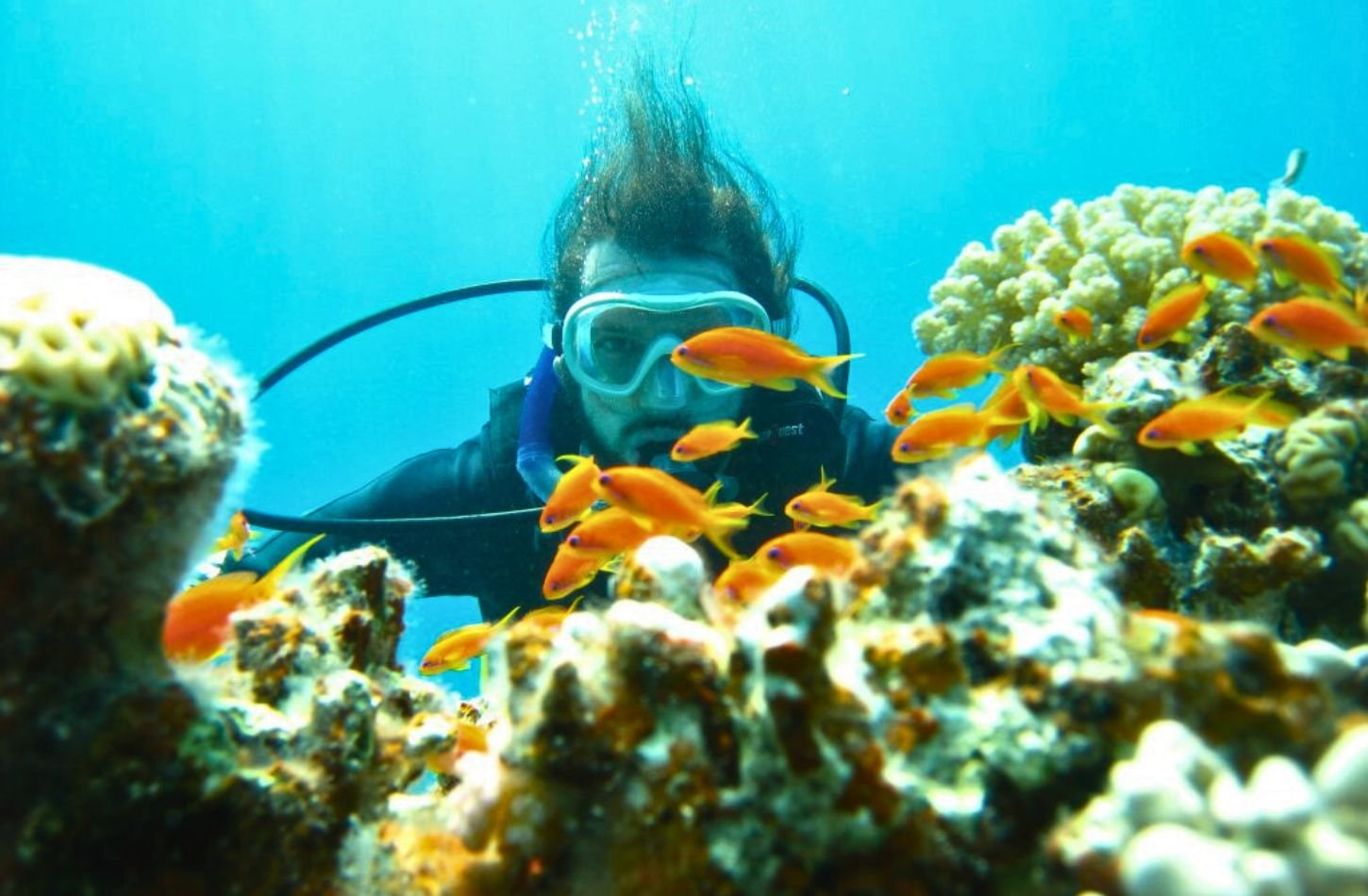
For evenings, temperatures can drop significantly, especially between November and February. Pack a light jacket, cardigan, or pashmina for cooler nights. And don’t forget swimwear if you’re planning to visit coastal cities like Hurghada or Dahab — many hotels and cruises have pools.
Finally, include a small backpack or crossbody bag to carry your essentials when sightseeing. It should be comfortable, lightweight, and secure, ideal for holding your camera, sunscreen, and travel documents.
Women’s Packing List for Egypt
When it comes to what women should pack for Egypt, comfort and cultural sensitivity go hand in hand. You don’t need to completely cover up, but modest clothing will make your experience smoother, especially when visiting religious or rural areas.
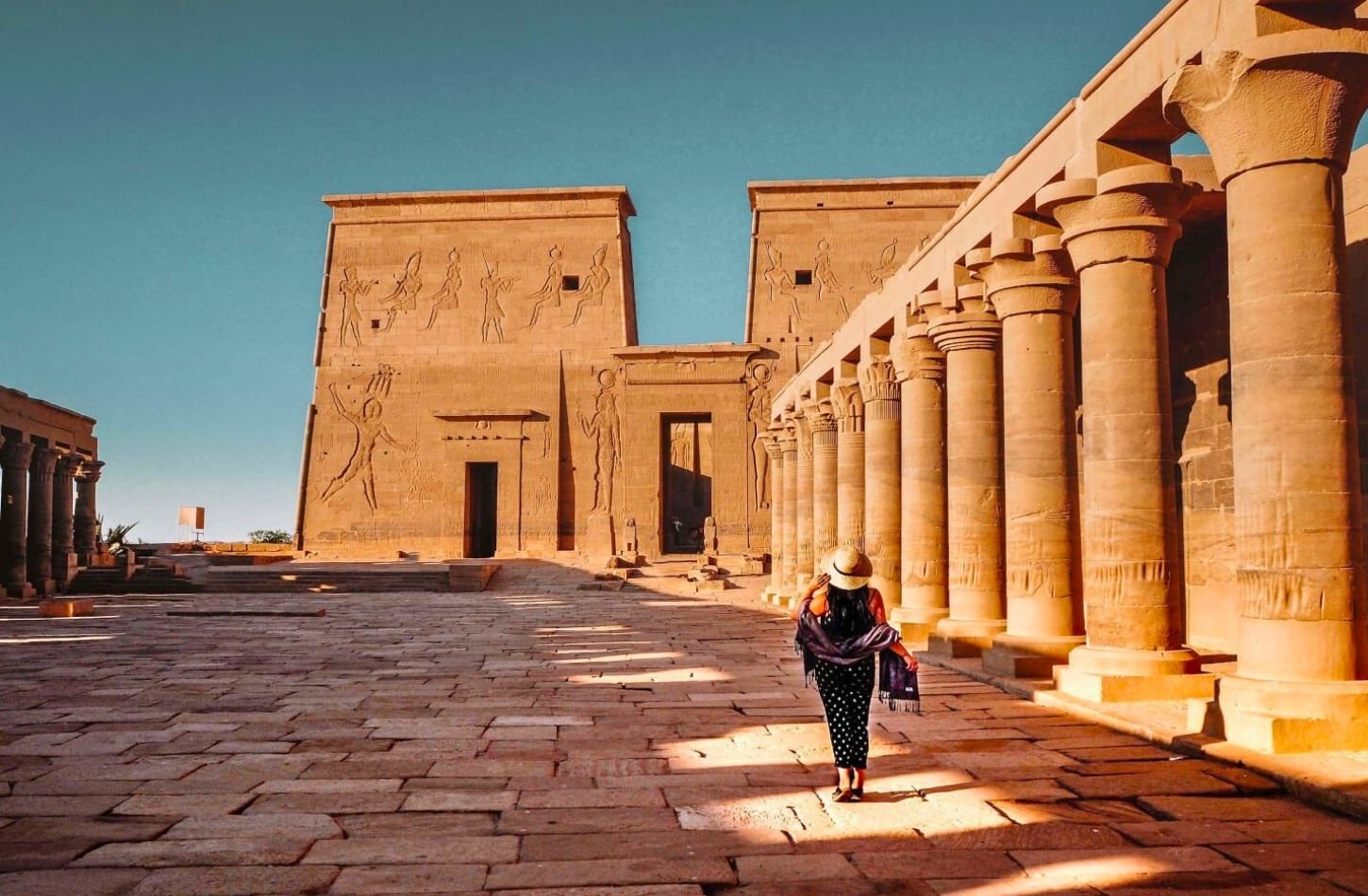
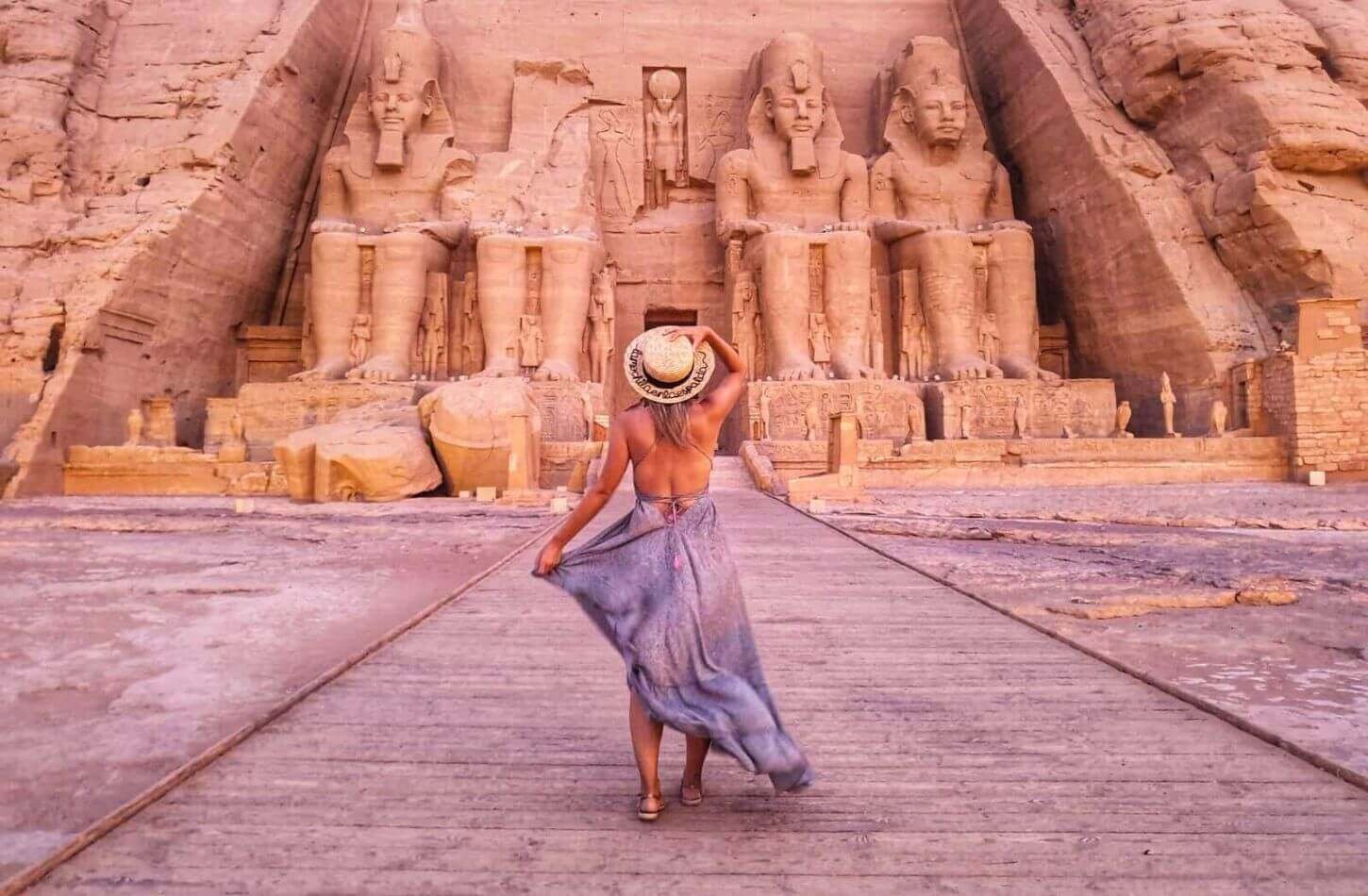
Long dresses, maxi skirts, and wide-leg trousers are perfect choices. They’re airy, stylish, and respectful of local customs. Pair them with breathable blouses or t-shirts that cover your shoulders. Avoid tight or see-through clothing when visiting local attractions or markets.
A scarf or shawl is one of the most versatile items you can bring. It can cover your shoulders in mosques, shield your face from dust, or protect your head from the sun. Many Egyptian women wear loose headscarves, so having one handy allows you to blend in more easily if needed.
For shoes, opt for sandals or sneakers with good support. High heels aren’t practical for Egypt’s uneven streets or archaeological sites. If you’re visiting beaches or resorts, bring flip-flops, but avoid wearing them in urban or cultural areas where the terrain can be rough.
When packing toiletries, keep them minimal. Bring your preferred sunscreen, insect repellent, moisturizer, and travel-sized toiletries. If you wear makeup, choose lightweight products that withstand heat.
Lastly, consider the fabrics and colors of your outfits. Neutral tones and natural fabrics like cotton or linen keep you cooler and show less dust, which is common in Egypt’s dry environment. Avoid dark colors like black, which absorb more heat under the sun.
What to Pack for Egypt for Men
Men have it a bit easier when it comes to packing for Egypt, but comfort and modesty still matter. The Egyptian sun can be relentless, so breathable, loose-fitting clothing is the key to staying cool while exploring.
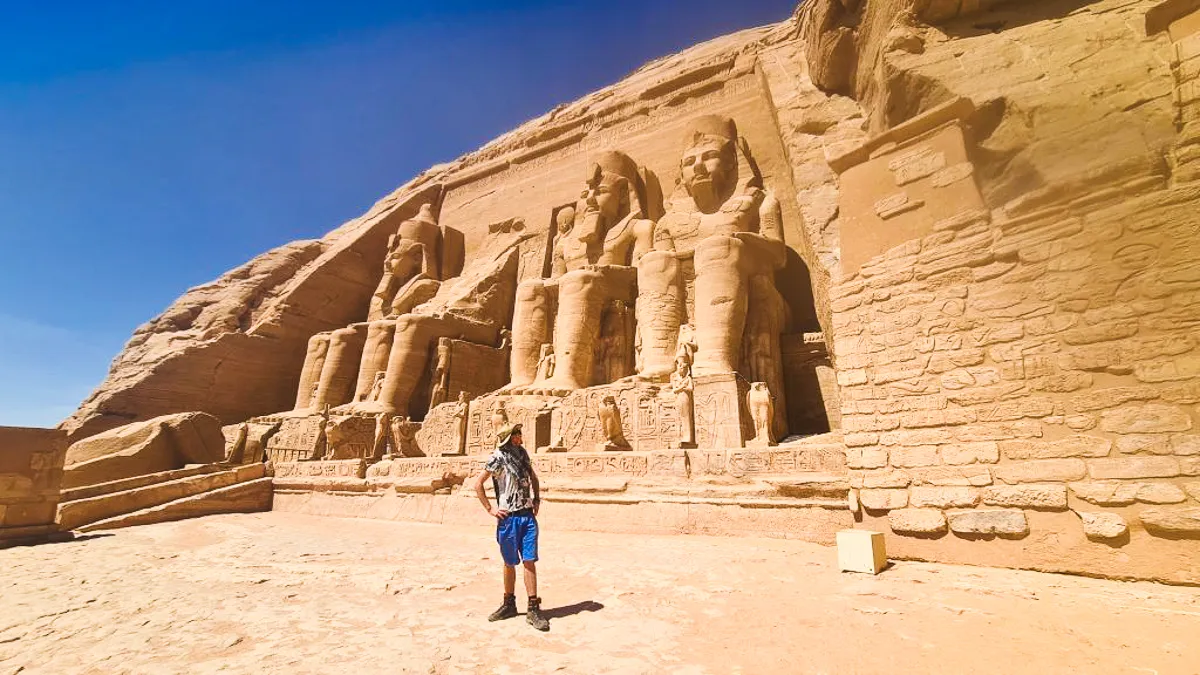
Pack several lightweight shirts, preferably long-sleeved ones that protect your skin from the sun. Linen and cotton button-down shirts are ideal for sightseeing or dining out. T-shirts are fine for casual wear, but avoid sleeveless tops unless you’re at a resort or the beach.
For bottoms, lightweight pants or chinos work best. Shorts are acceptable in touristy places like the Red Sea coast, but they’re less common in cities and traditional areas. If you do wear shorts, make sure they reach at least your knees.

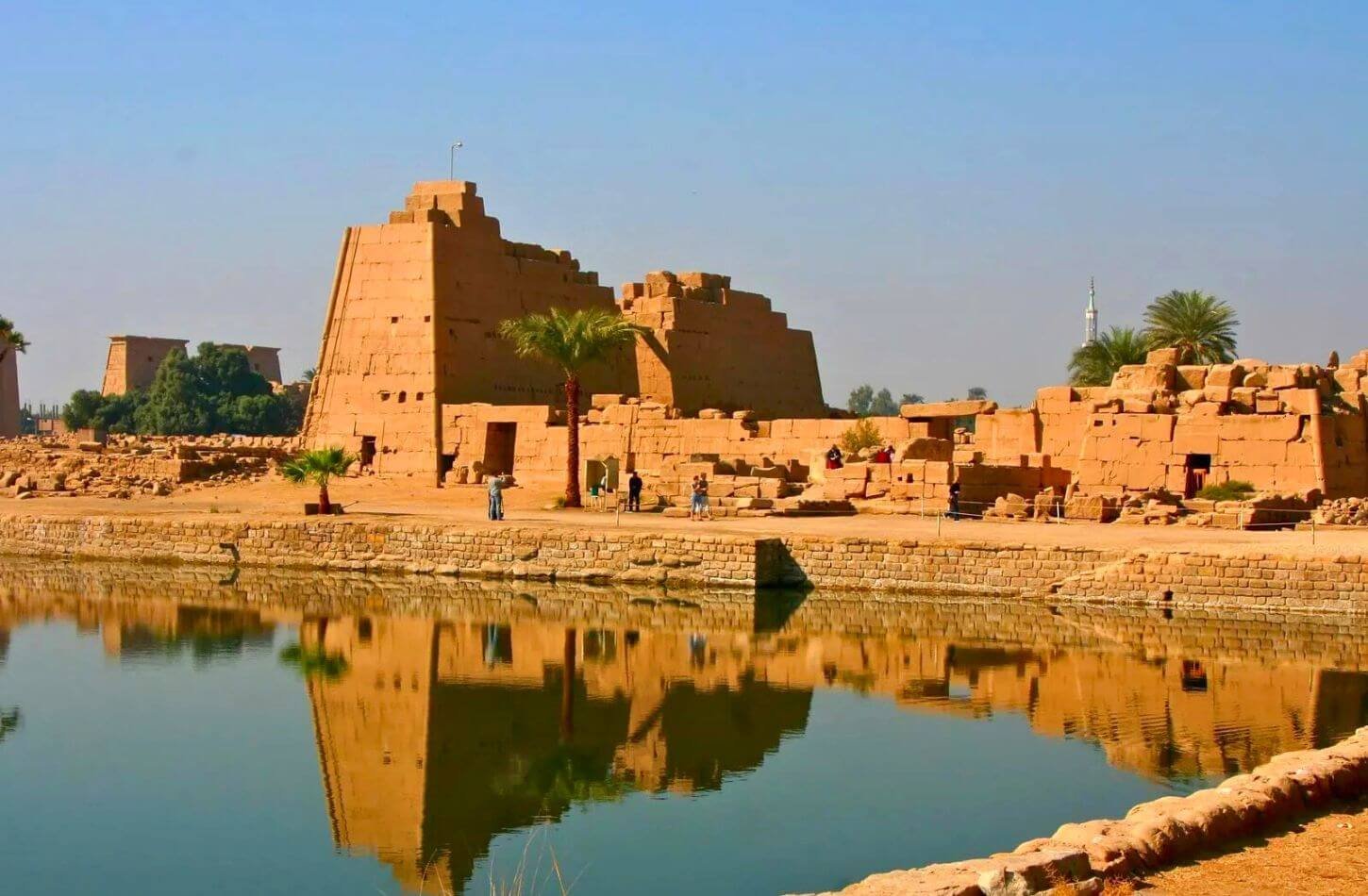
A wide-brimmed hat or cap, sunglasses, and sunscreen are must-haves. Comfortable walking shoes are essential, especially for exploring sites like the Valley of the Kings or Karnak Temple, where you’ll walk on uneven terrain under the sun. You can pack a pair of dressier shoes for evenings if you plan to dine in upscale restaurants or enjoy a Nile cruise.
Evenings in Egypt can cool down, particularly in winter, so bring a lightweight sweater or jacket. And if you’re planning water activities, pack swim trunks and a quick-dry towel.
Men should also bring a small daypack for essentials such as water, sunscreen, and travel documents. Avoid overpacking; most hotels offer laundry services, so you can refresh your clothes during the trip.
What to Pack for Egypt by Season
Egypt’s weather varies from season to season, and what you pack should reflect those changes. The best time to visit Egypt is generally from October to April when temperatures are mild and sightseeing is comfortable. Summer months (May to September) can be extremely hot, especially in Upper Egypt, so packing smartly for the season is crucial.
Packing for Egypt in Summer (May – September)
Summer in Egypt means heat — lots of it. Temperatures can soar above 40°C (104°F) in places like Luxor and Aswan, so light, breathable clothing is non-negotiable. Pack loose garments made of cotton or linen that cover your skin but allow air to circulate. A wide-brimmed hat and high-SPF sunscreen are essential to prevent sunburn.
Choose open-toed sandals or breathable sneakers for comfort. Carry a reusable water bottle at all times, as dehydration can happen quickly in the desert climate. If you’re planning to visit temples or pyramids, try to go early in the morning or late in the afternoon when the heat is less intense.
Packing for Egypt in Winter (October – April)
Winter is Egypt’s high tourist season, with cooler temperatures and pleasant days for exploring. However, nights can get surprisingly chilly, especially in desert areas and on Nile cruises. Pack layers — lightweight clothing for daytime and a warm sweater or light jacket for evenings.
You might even encounter occasional rain along the Mediterranean coast, so a small travel umbrella or waterproof jacket could come in handy. During this season, you can wear slightly heavier fabrics like denim or thicker cotton without feeling overheated.
Packing for Spring and Autumn
Spring (March–May) and autumn (September–November) offer the best balance of warmth and comfort. The weather is mild, making sightseeing more enjoyable. Pack versatile layers — short-sleeved shirts, light trousers, and a cardigan or shawl for evenings. Sandals and sneakers are both suitable during these months.
One thing to keep in mind during spring is the Khamsin wind, a hot, dry wind that can bring dust and sandstorms. Sunglasses, scarves, and closed shoes are helpful during this period.
Essential Travel Items Beyond Clothing
Packing for Egypt isn’t just about clothing — it’s also about being prepared for comfort, safety, and convenience. A good travel adapter is essential since Egypt uses the European-style two-pin plug. Keep your electronics charged with a universal adapter or power bank.
Bring any prescription medications you need, along with a small first aid kit containing basic items like pain relievers, band-aids, and motion sickness tablets. It’s also a good idea to carry copies of your passport and travel insurance in case of emergencies.
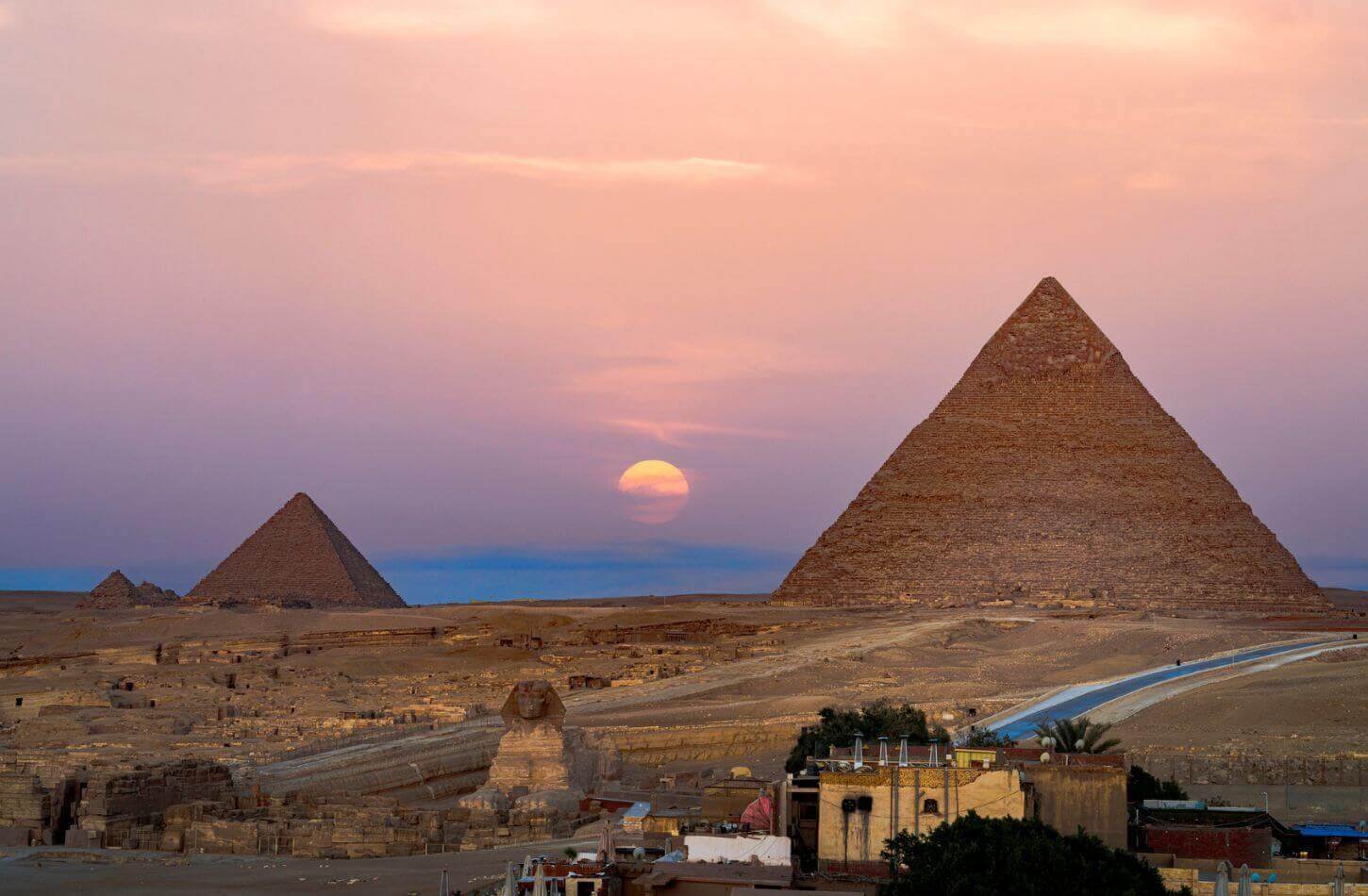
A camera or smartphone with a good camera is a must for capturing Egypt’s stunning sights — from the grandeur of the Pyramids of Giza to the colorful markets of Cairo. Make sure to pack extra memory cards and a portable charger.
For added comfort, you might also want to pack wet wipes, hand sanitizer, and tissues, as some public restrooms may not always provide them.
Final Thoughts: Packing Smart for an Unforgettable Trip
Knowing what to pack for Egypt can make your trip smoother, more comfortable, and culturally respectful. The key is to balance practicality with sensitivity — lightweight clothes that protect from the sun, modest attire that respects traditions, and essentials that help you stay cool and hydrated.
Women should focus on modest, breathable outfits and versatile accessories like scarves, while men can opt for light shirts, trousers, and comfortable shoes. Adjust your packing list based on the season — lighter fabrics for summer, extra layers for winter.
Egypt’s magic lies in its contrasts — ancient wonders standing proudly under a blazing sun, cool nights along the Nile after a day of adventure, and warm hospitality wherever you go. Packing wisely ensures you can fully enjoy every moment of this incredible journey without worry.
Whether you’re exploring the temples of Luxor, cruising down the Nile, or diving in the Red Sea, being well-prepared will let you focus on what really matters — experiencing the timeless beauty and history of Egypt.