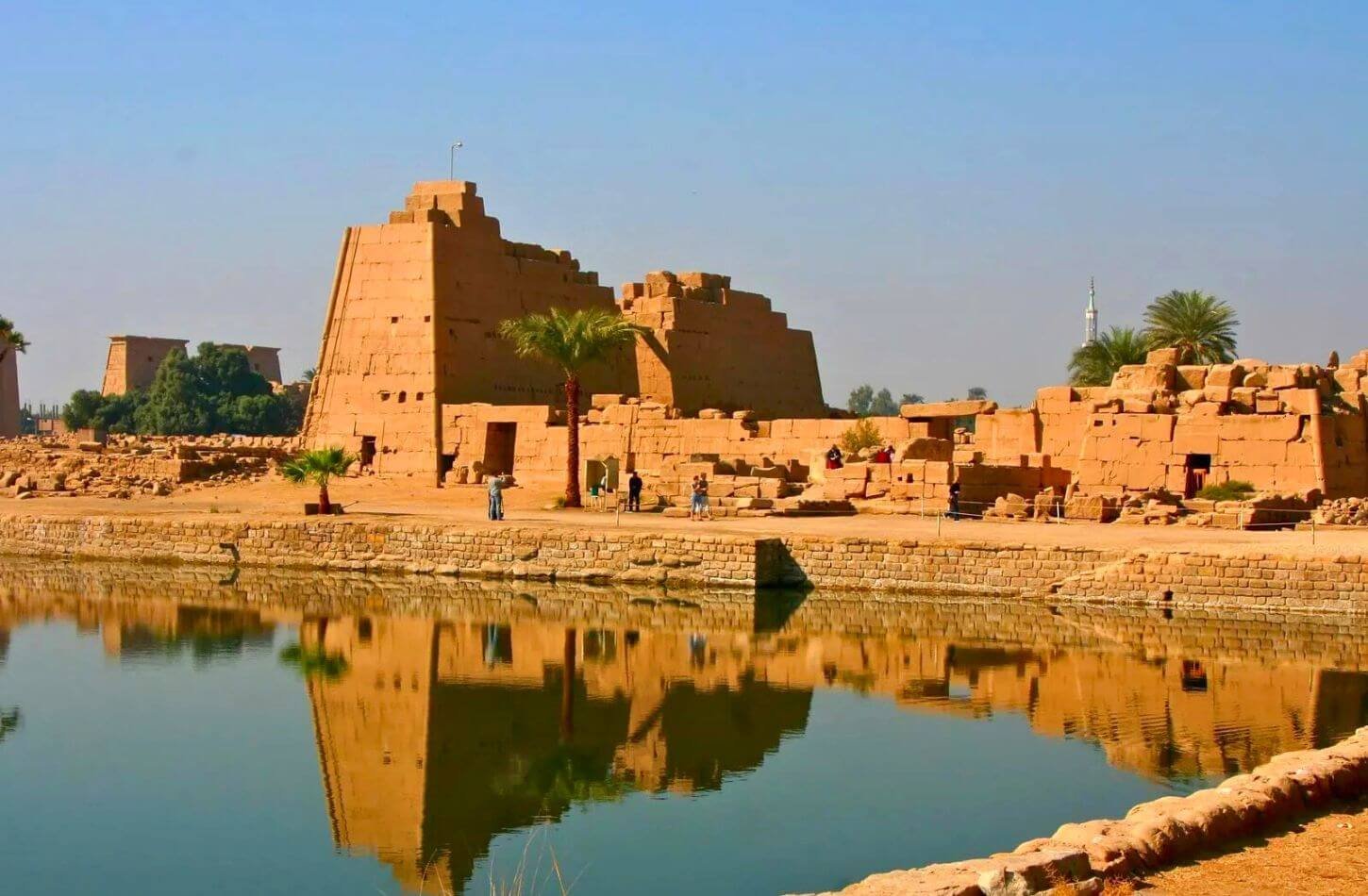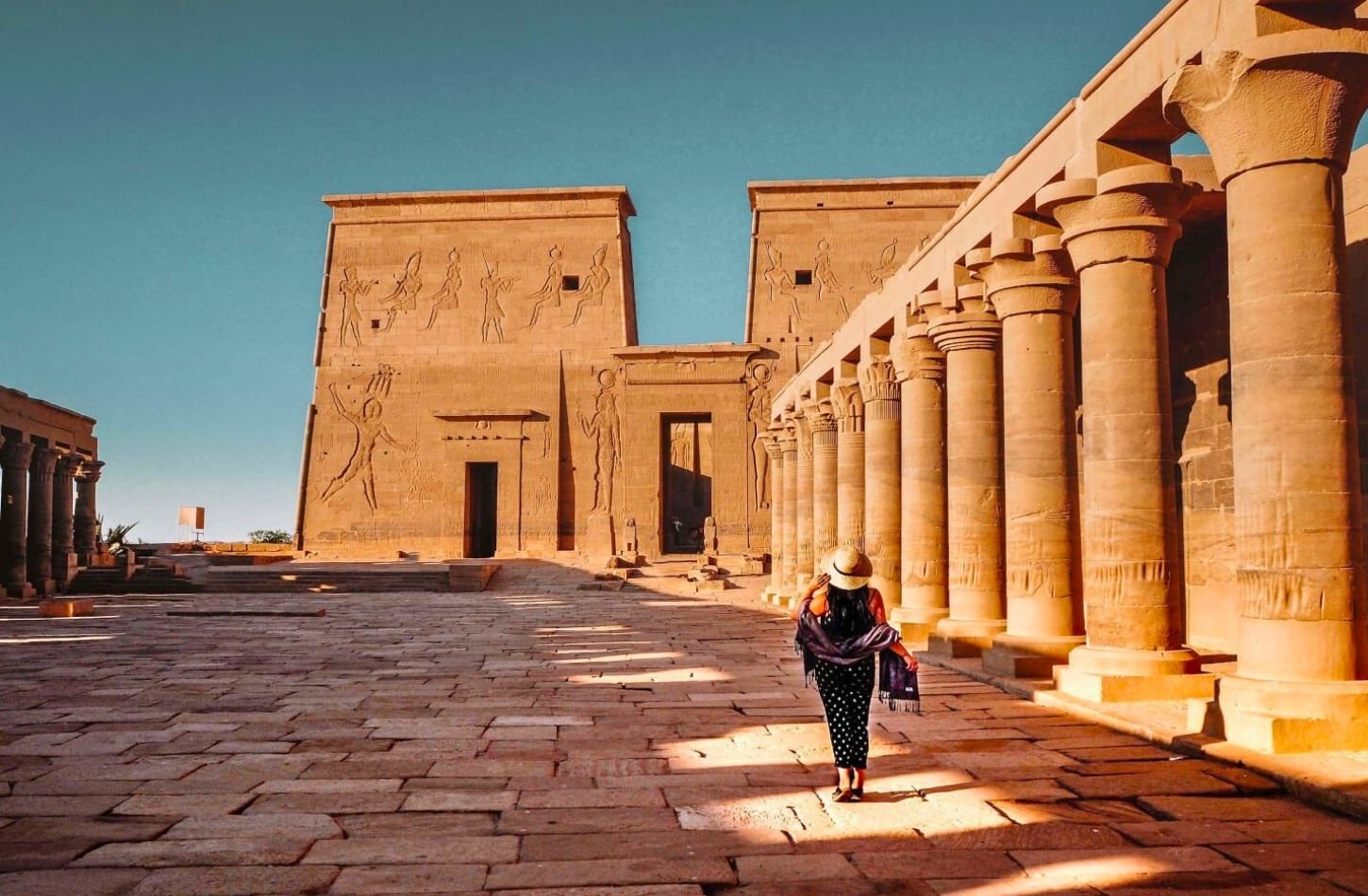
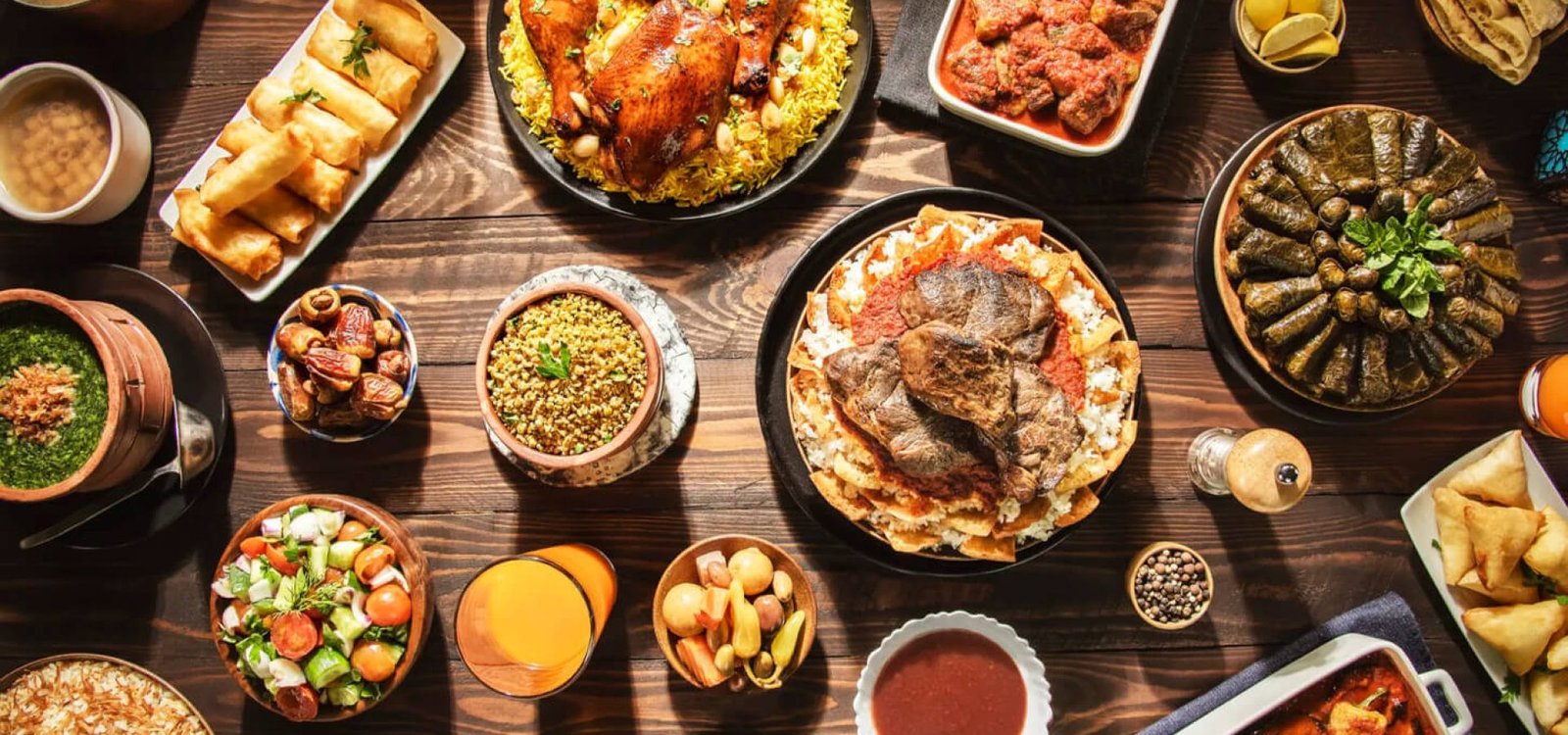
Egypt is a land where history and tradition flow through every street, monument, and meal. While its pyramids and temples may capture global attention, its cuisine tells a story just as old and meaningful. Egyptian dishes are a reflection of the country’s long and layered past, where pharaohs, traders, and travelers all left their mark on what Egyptians eat today. From hearty stews to fragrant breads, every plate has a story behind it, shaped by geography, religion, and centuries of culinary exchange. In this article, we’ll explore the architecture of Egyptian cuisine—its history, purpose, famous dishes, unique flavors, and the warm hospitality that defines its dining culture.
The Historical Roots of Egyptian Cuisine
Egyptian food dates back thousands of years, to the days of the pharaohs along the Nile River. Ancient Egyptians were among the first to cultivate wheat and barley, and they created bread and beer as daily staples. Food was deeply tied to religion and community; offerings to the gods often included loaves of bread, honey, and roasted meats. Farmers relied on the fertile Nile Valley to grow lentils, onions, garlic, and beans—ingredients that still form the base of many Egyptian dishes today.
Over time, Egypt’s position as a cultural crossroads influenced its cuisine. Greek, Roman, Ottoman, and Arab empires all left traces on Egyptian cooking, introducing new spices, techniques, and ingredients. For example, the use of cumin, coriander, and cinnamon came from Arab traders, while Ottoman influence brought kebabs and stuffed vegetables. Yet, despite these influences, Egyptian cuisine maintained its distinct identity—simple, wholesome, and full of flavor, celebrating local produce and timeless cooking methods.
The Architecture of Egyptian Dishes: What Defines the Cuisine
The structure of Egyptian food is much like its architecture—strong, balanced, and built to last. Every dish combines texture, color, and aroma in a way that feels both ancient and familiar. Bread, especially aish baladi, is the foundation of almost every meal. The word “aish” means “life,” showing how essential bread is to Egyptian culture. This round, whole-wheat flatbread serves as both utensil and accompaniment, perfect for scooping up dips, beans, and stews.
Legumes play a vital role, too. Fava beans, lentils, and chickpeas are used in iconic dishes like ful medames and taameya (Egyptian falafel). Rice and pasta often appear together—a unique Egyptian tradition—seen in koshari, the national dish made from rice, lentils, chickpeas, macaroni, and tomato sauce topped with crispy onions. Vegetables like eggplant, zucchini, and okra are staples, often stuffed or stewed in rich tomato-based sauces.
The use of herbs and spices gives Egyptian dishes their distinct personality. Cumin, coriander, garlic, and fresh herbs such as parsley and dill add depth and warmth without overpowering the food. Unlike other Middle Eastern cuisines that may lean heavily on heat or strong flavors, Egyptian food is balanced and aromatic, designed to comfort rather than overwhelm.
Iconic Egyptian Dishes You Must Try
Ful Medames – The Ancient Breakfast of Champions
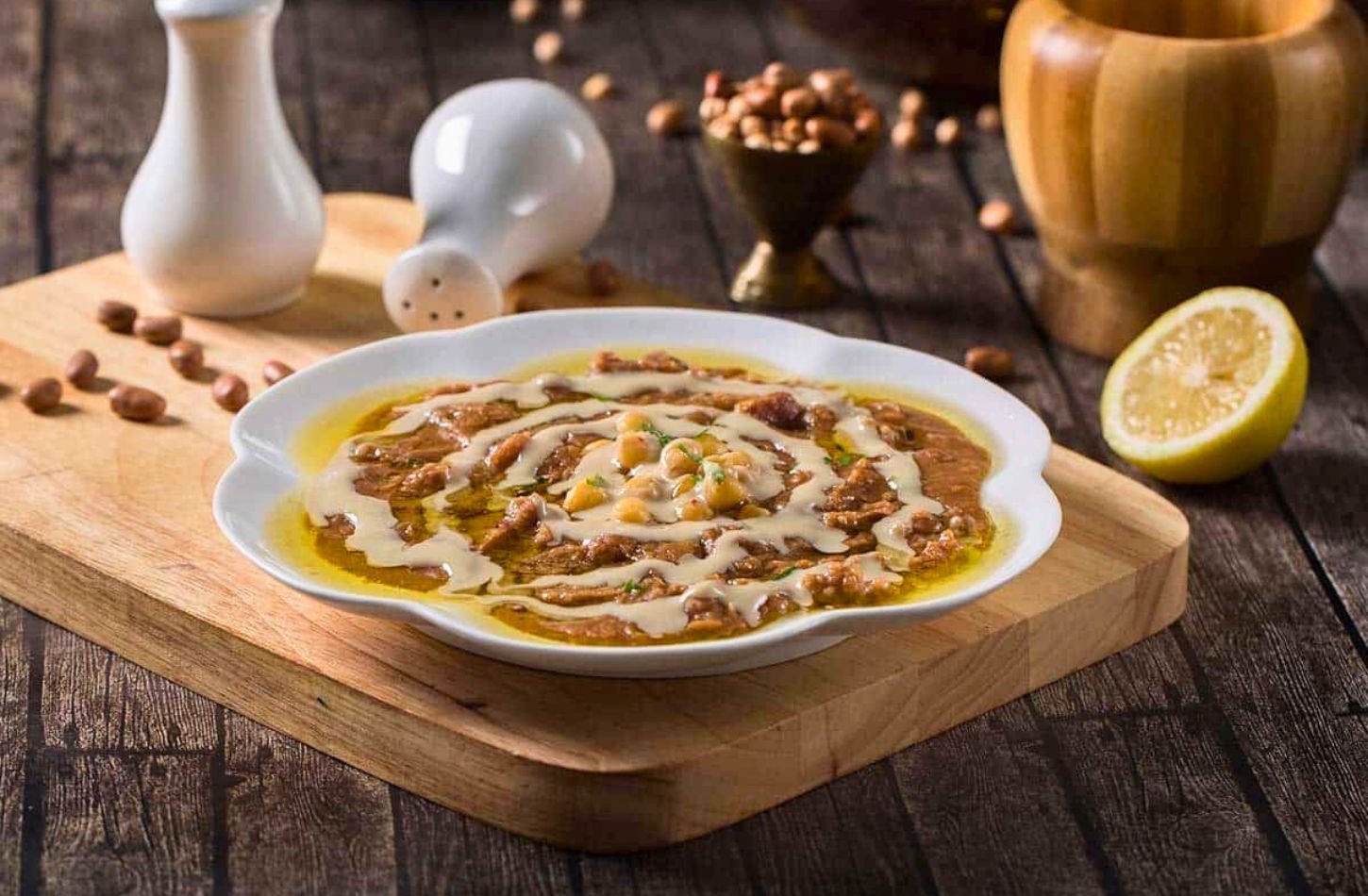
Perhaps the most ancient and symbolic Egyptian dish is ful medames. Made from slow-cooked fava beans seasoned with olive oil, lemon juice, and garlic, this dish has been eaten in Egypt for thousands of years. It’s often served with aish baladi and garnished with chopped tomatoes, onions, and parsley. Whether enjoyed at home or from a street vendor, ful is more than just breakfast—it’s a taste of Egyptian history in every bite.
Koshari – The National Comfort Food
If Egypt had one dish to represent its soul, it would be koshari. This beloved street food is a hearty mix of rice, lentils, macaroni, and chickpeas, topped with spicy tomato sauce and crispy fried onions. The combination may sound unusual, but it reflects the Egyptian spirit: diverse, inventive, and welcoming to all influences. Koshari shops are found in every Egyptian city, offering an affordable, filling meal for everyone—from students to workers to travelers.
Molokhia – The Green Gold of the Pharaohs
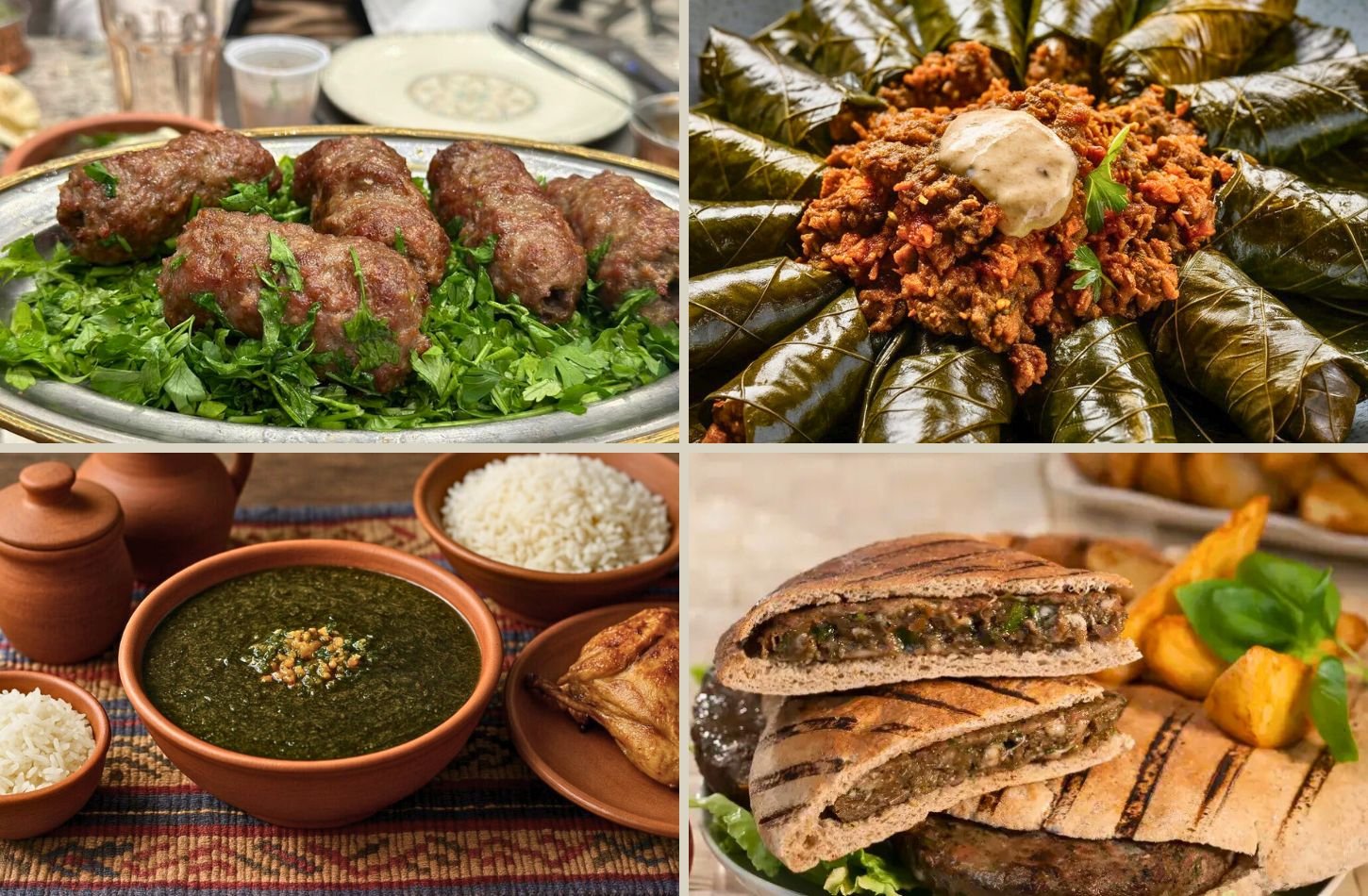
Molokhiais a leafy green soup made from finely chopped jute leaves simmered with garlic, coriander, and sometimes meat or chicken broth. The dish has a silky texture and earthy flavor that’s unlike anything else in the world. It dates back to ancient Egypt, where it was considered a royal delicacy. Today, it’s a household favorite, often served with rice and roasted meat or rabbit.
Taameya – Egypt’s Take on Falafel
While falafel is popular across the Middle East, Egypt’s version stands apart. Instead of chickpeas, taameyais made from crushed fava beans mixed with herbs and spices, then deep-fried to perfection. The result is green on the inside, crispy on the outside, and bursting with flavor. It’s often enjoyed with tahini sauce, salad, and pickles—an everyday favorite that showcases Egypt’s love of simplicity and freshness.
Mahshi – Stuffed Vegetables with Flavorful Filling
Mahshirefers to vegetables like zucchini, peppers, cabbage, or grape leaves stuffed with a mixture of rice, herbs, and tomato sauce. It’s a traditional dish often served during family gatherings and celebrations. The careful preparation, where each vegetable is delicately filled and cooked, shows the artistry behind Egyptian home cooking. The aroma of simmering mahshi fills the air with warmth and nostalgia.
Fatta – The Feast Dish
Fattais a celebratory meal often served during Eid and special occasions. It layers fried bread, rice, and meat, topped with a tangy garlic-vinegar sauce. Rich and flavorful, fatta represents abundance and generosity, reflecting the Egyptian value of sharing food with others
The Purpose and Symbolism of Food in Egyptian Culture
In Egypt, food is never just about sustenance—it’s about connection. Meals are a social ritual that brings families, friends, and even strangers together. Sharing food is considered an act of kindness and respect. In both urban and rural settings, it’s common to see people gather around a communal plate, eating with their hands and sharing stories.
Religious traditions also shape Egyptian cuisine. During Ramadan, fasting is broken with dates, soup, and hearty dishes like mahshior koshari. On Coptic fasting days, meat and dairy are replaced with plant-based dishes, highlighting Egypt’s skill in vegetarian cooking long before it became trendy. Even street food in Egypt carries a sense of community—vendors are not just selling meals, they’re preserving a shared cultural experience.
Exploring the Interior of Egyptian Kitchens
Step into a traditional Egyptian kitchen and you’ll find an inviting mix of aromas, colors, and textures. The heart of every kitchen is the baladioven, used for baking bread and roasting meats. Clay pots are still common, allowing for slow cooking that enhances flavor. Olive oil, ghee, and butter are used depending on the dish, while garlic and onions are sautéed until golden, forming the base of countless recipes.
Cooking is often a family affair, with recipes passed down through generations. Many Egyptian mothers teach their daughters to prepare mahshior molokhiaby instinct rather than measurement—trusting their senses to know when a dish is perfect. This oral tradition keeps the cuisine alive, ensuring that even as times change, the essence of Egyptian cooking remains the same.
Interesting Facts About Egyptian Dishes
Egyptian cuisine is full of fascinating facts that reveal its deep cultural roots. For example, bread in ancient Egypt was used as currency and as offerings in tombs, symbolizing eternal life. The word aish, meaning “life,” perfectly captures this relationship between food and survival. Ful medameshas been mentioned in historical records dating back to the 12th century BCE, making it one of the world’s oldest continuously prepared dishes.
Another intriguing fact is that kosharioriginated during the British occupation, when Egyptians combined elements of Italian pasta, Indian lentils, and local sauces to create something uniquely their own. The result was a dish that represented Egypt’s adaptability and creativity—a culinary mosaic of global influences.
Even desserts have their stories. Basbousa, konafa, and om ali are beloved sweets that often grace tables during holidays. Each has roots in different eras of Egyptian history—from Mamluk kitchens to Ottoman palaces—showing how Egypt absorbs and transforms influences from every age.
Modern Egyptian Cuisine: Tradition Meets Innovation
Today’s Egyptian food scene is thriving, blending ancient recipes with modern techniques. In Cairo and Alexandria, contemporary chefs are reinventing traditional dishes—serving koshari with gourmet toppings or transforming molokhia into elegant soups. Yet, even with innovation, the soul of Egyptian cuisine remains rooted in authenticity. Street vendors still serve the same ful and taameya that have fed generations, proving that the simplest meals often carry the deepest meaning.
Egyptian cuisine has also gained international attention. Restaurants around the world now feature koshari, hawawshi(spiced meat-stuffed bread), and fattaon their menus. These dishes introduce global audiences to Egypt’s flavors, traditions, and hospitality, turning food into a bridge between cultures.
Conclusion: The Taste of Egypt’s Heritage
Egyptian dishes are more than just meals—they’re stories of civilization, creativity, and connection. Every plate embodies the country’s spirit: generous, timeless, and full of heart. From the humble ful medameseaten at sunrise to the grand fattashared during celebrations, Egyptian cuisine reflects the same beauty and complexity that define its ancient temples and timeless Nile.
Exploring Egyptian food is like walking through history with your senses—smelling the spices, feeling the warmth of bread, and tasting the balance of old and new. Whether you’re wandering through Cairo’s bustling markets or cooking Molokhia home, each dish invites you to experience Egypt’s past and present in the most delicious way possible. In the end, to know Egypt is to know its food—because in every bite, the story of a nation comes alive.
Read our related article: