Traveling to Egypt is more than just ticking the pyramids off your bucket list. It’s a journey through 5,000 years of civilization, layered architecture, vibrant street life, desert landscapes, and timeless river scenes along the Nile. If you’re planning your first adventure, this in-depth guide on Egypt travel tips will help you navigate everything from history and culture to safety, transportation, and packing.
Whether you’re dreaming of walking inside ancient temples, sailing past palm-fringed villages, or exploring colorful bazaars, Egypt rewards curious travelers who come prepared. Let’s dive into everything you need to know before you go.
What truly makes Egypt unforgettable is the atmosphere you feel from the moment you arrive. In Cairo, daily life unfolds beneath historic minarets and busy streets, while beyond the city, the desert stretches endlessly under golden sunlight. The fertile Nile Valley transforms dry landscapes into green farmland, especially as you travel toward Luxor and Aswan, where river views and ancient temples define the scenery.
Step inside Egypt’s monuments and you’ll notice how powerful interior spaces can be. Temple halls are cool and shadowed, their walls carved with colorful hieroglyphs that have survived thousands of years. Islamic mosques feature open courtyards, marble floors, and intricate geometric designs that reflect centuries of artistic tradition. Even modern hotels often blend contemporary comfort with traditional touches like arched doorways and patterned textiles.
Egypt is not just something you see; it’s something you experience from within—through its spaces, textures, light, and history.
Egypt Travel Tips for First-Time Visitors
Visiting Egypt for the first time can feel overwhelming. The country is rich in history, intense in energy, and full of contrasts. Modern cities rise beside ancient ruins. Desert highways lead to lush riverbanks. The call to prayer echoes near Roman theaters and Pharaonic tombs.
One of the most important Egypt travel tips for first-time visitors is to slow down. Egypt isn’t a destination you rush through. Every monument has layers of history, from Old Kingdom pyramids to Ptolemaic temples and Islamic architecture. Understanding the historical timeline enhances your experience immensely.
The civilization of ancient Egypt began around 3100 BCE, uniting Upper and Lower Egypt under one pharaoh. Over centuries, monumental architecture became a tool of power and religious devotion. Massive stone temples aligned with the sun, pyramids engineered with mathematical precision, and tombs carved into desert cliffs all served spiritual purposes connected to the afterlife.
At the same time, modern Egypt is dynamic and alive. Cairo’s traffic is legendary, street vendors are persistent, and hospitality is genuine. You’ll likely be offered tea by shopkeepers and greeted warmly in hotels and restaurants. A friendly but firm attitude goes a long way in markets and busy tourist areas.
First-time travelers often wonder about cultural etiquette. Egypt is predominantly Muslim, and modest dress is appreciated, especially in rural areas and mosques. In beach resorts, attire is more relaxed, but when visiting religious sites, covering shoulders and knees is respectful.
Egypt travel tips: Where to Go
Egypt is far more diverse than many visitors expect. While the pyramids are iconic, the country offers beaches, deserts, monasteries, temples, and vibrant cities.
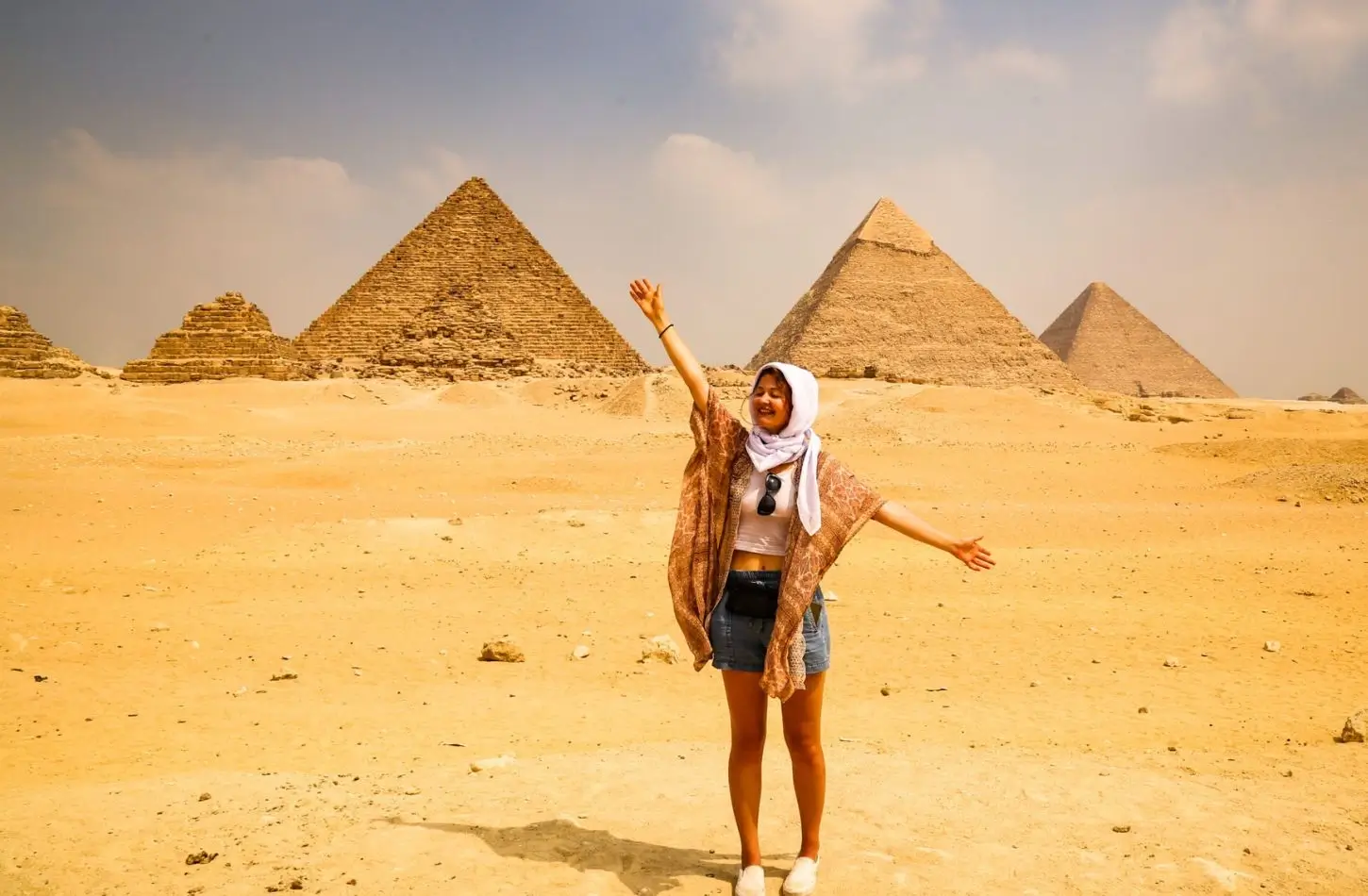
Cairo: The Beating Heart of Egypt
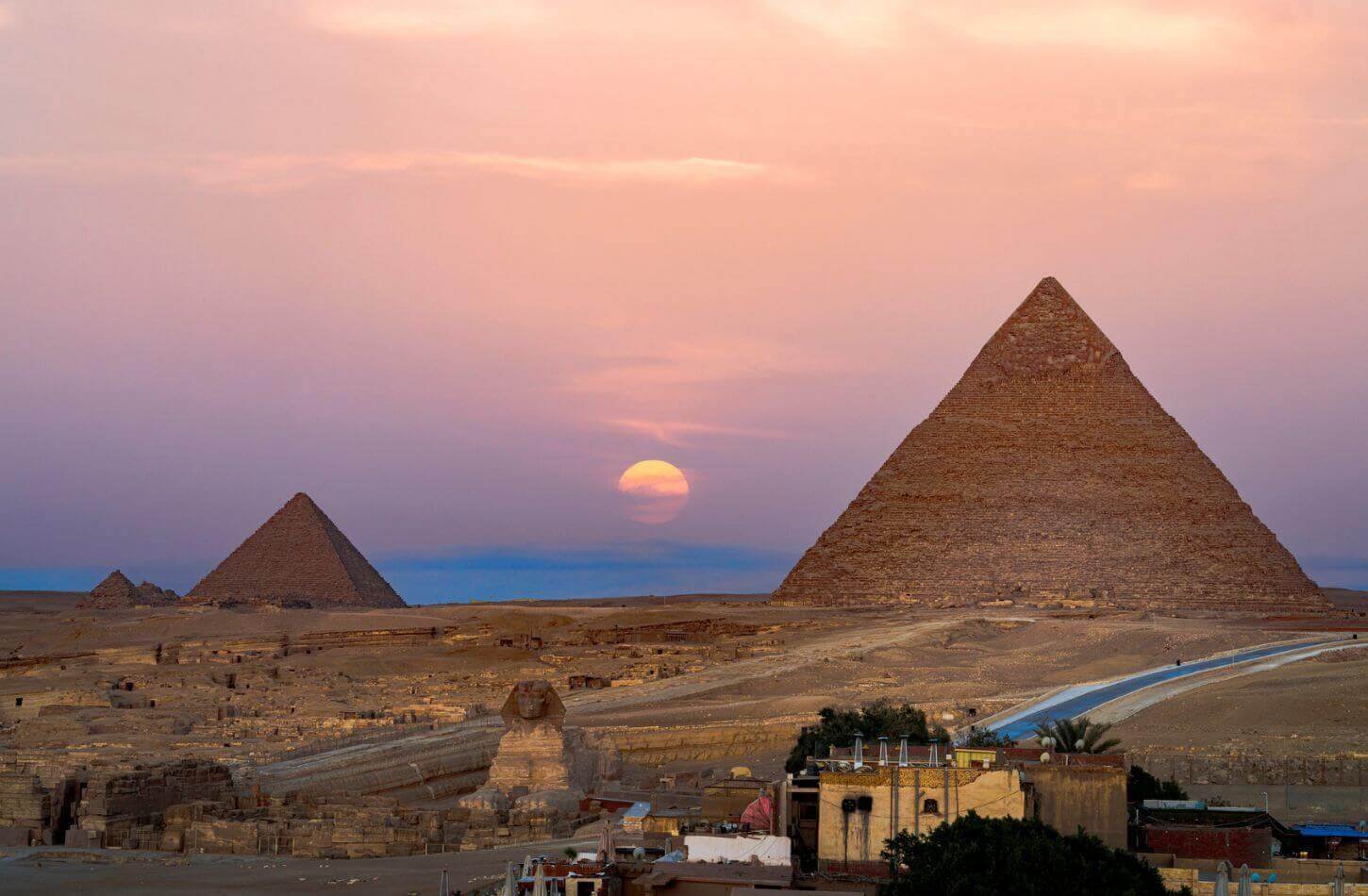
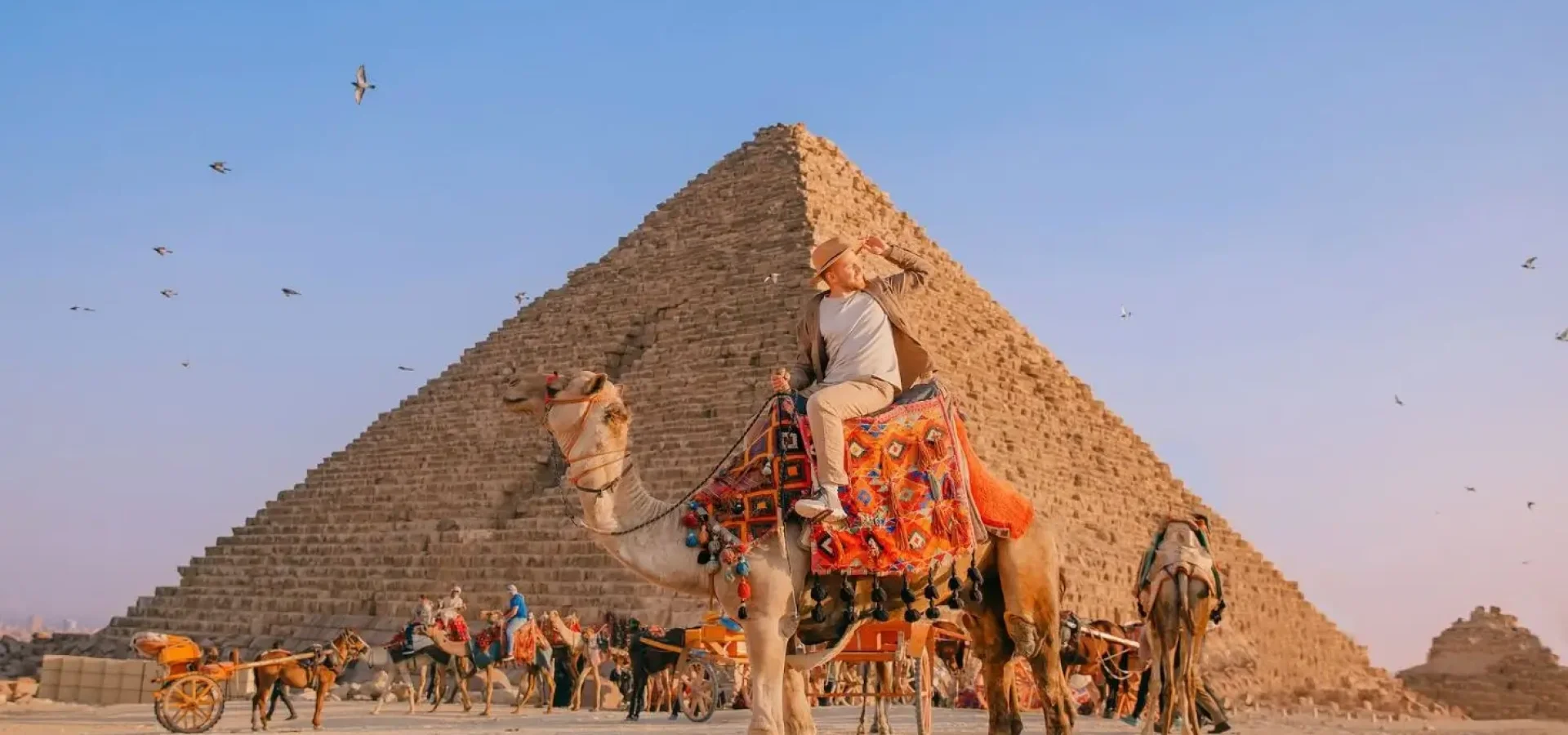
The capital city, Cairo, is home to the legendary Giza Pyramids and the Great Sphinx. The pyramids were built during the Fourth Dynasty as royal tombs, with the largest pyramid originally standing at 146 meters tall. Their precise alignment with the cardinal points still amazes architects and historians today.
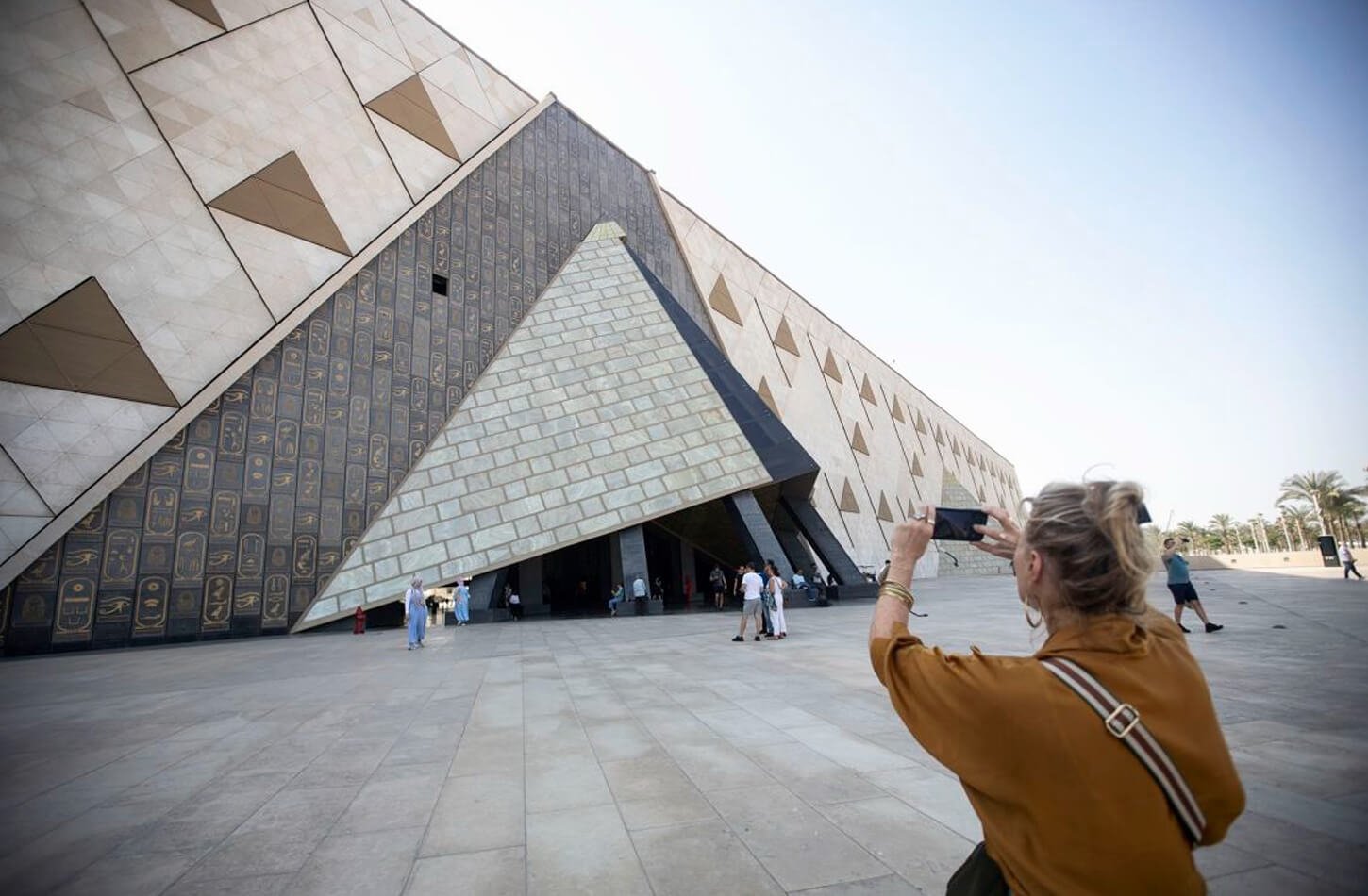
Cairo also offers Islamic architecture from the Fatimid and Mamluk periods. Mosques such as Sultan Hassan showcase intricate stone carvings and soaring interior spaces designed for prayer and scholarship. The Egyptian Museum and the new Grand Egyptian Museum house priceless artifacts, including royal mummies and treasures of Tutankhamun.
Luxor: The World’s Greatest Open-Air Museum
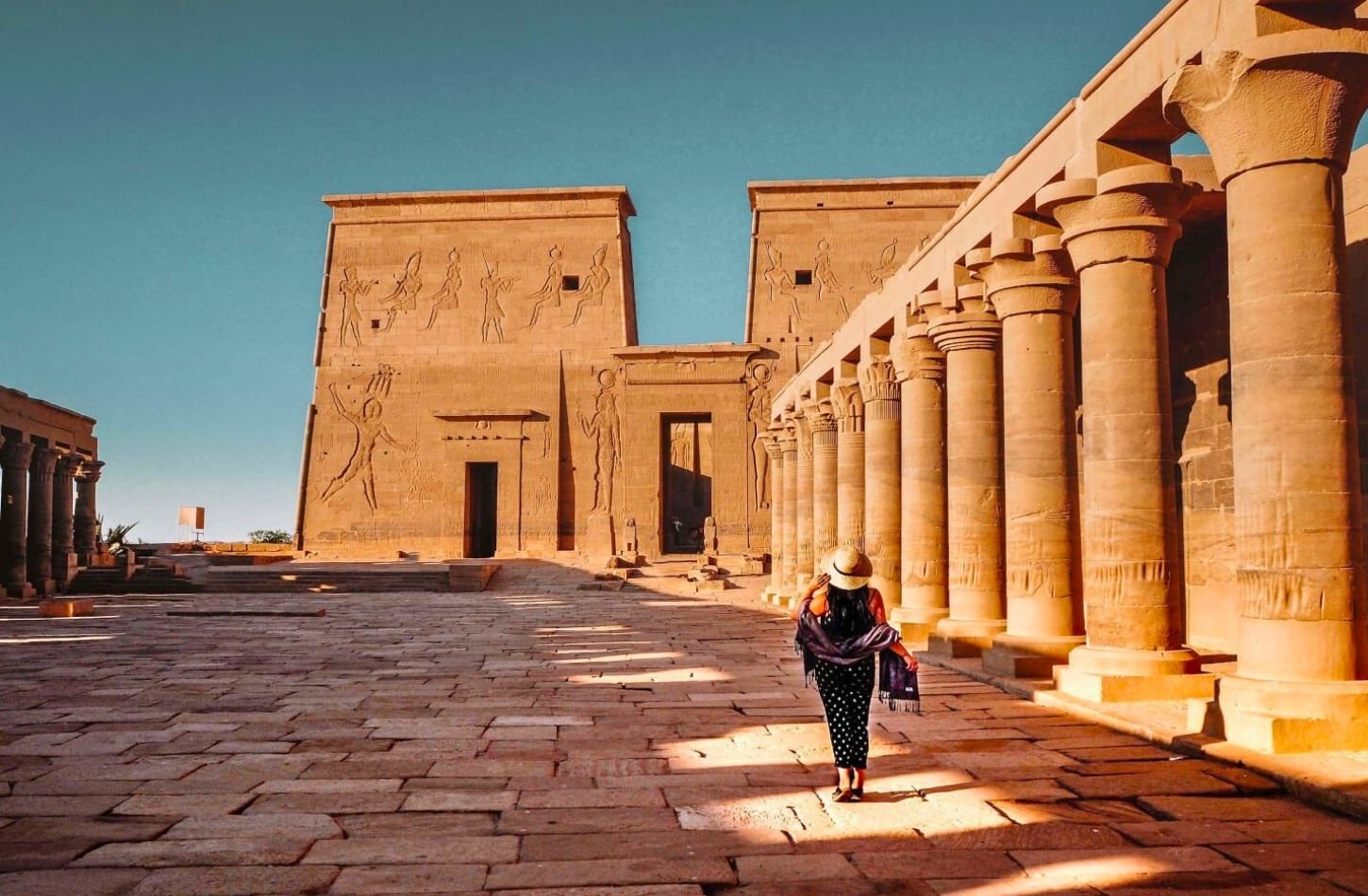
Further south lies Luxor, built over the ancient city of Thebes. Here, temple architecture reached monumental scale. The Karnak Temple is one of the largest religious complexes ever constructed. Its Hypostyle Hall contains 134 massive columns, each decorated with hieroglyphs and scenes of pharaohs honoring the gods.
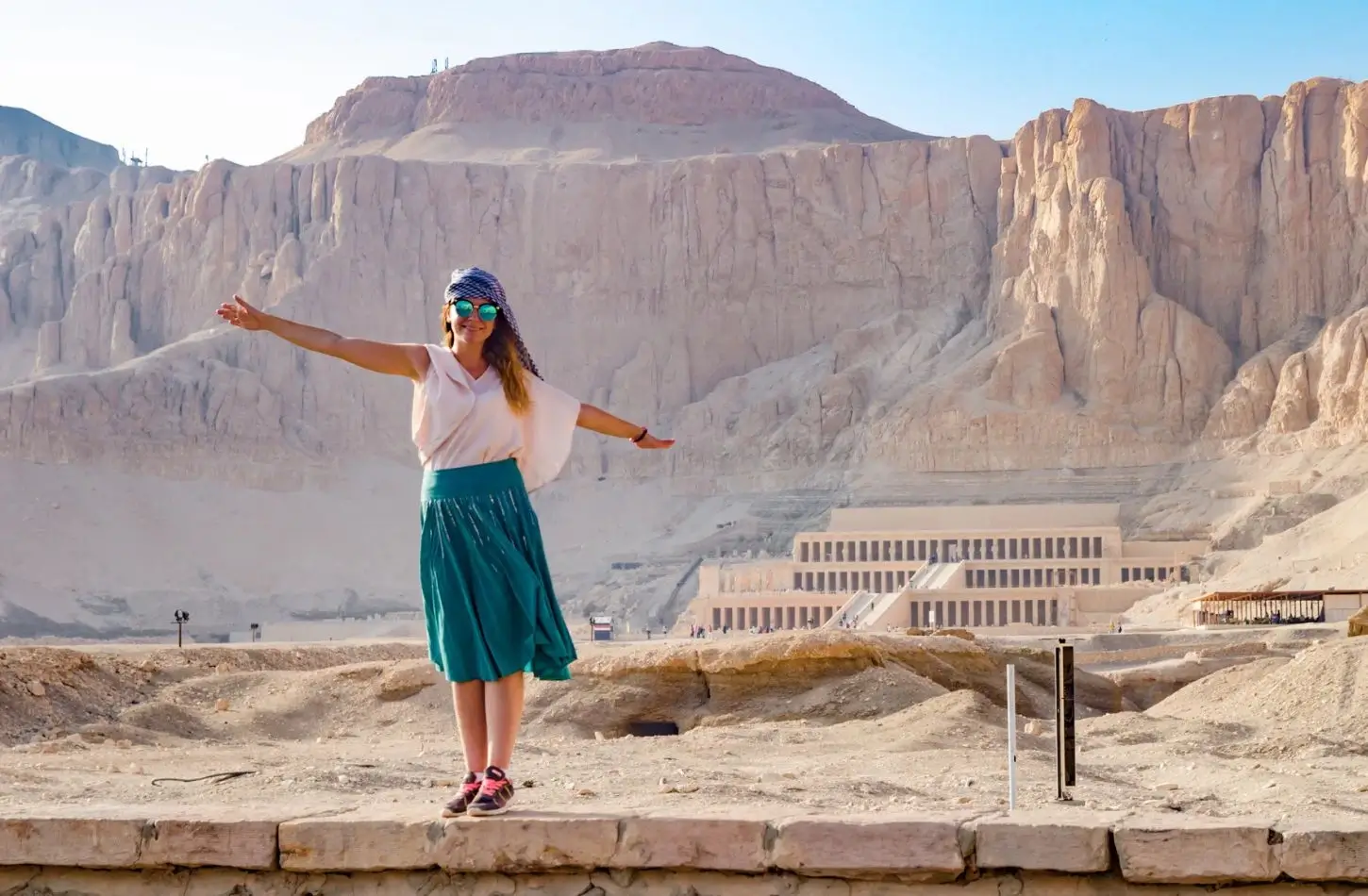
Across the Nile sits the Valley of the Kings, where tombs were carved deep into limestone cliffs to protect royal burials. These interiors reveal astonishingly preserved wall paintings, vibrant with blues, golds, and reds, illustrating scenes from the Book of the Dead.
Aswan: Tranquility and Nubian Heritage
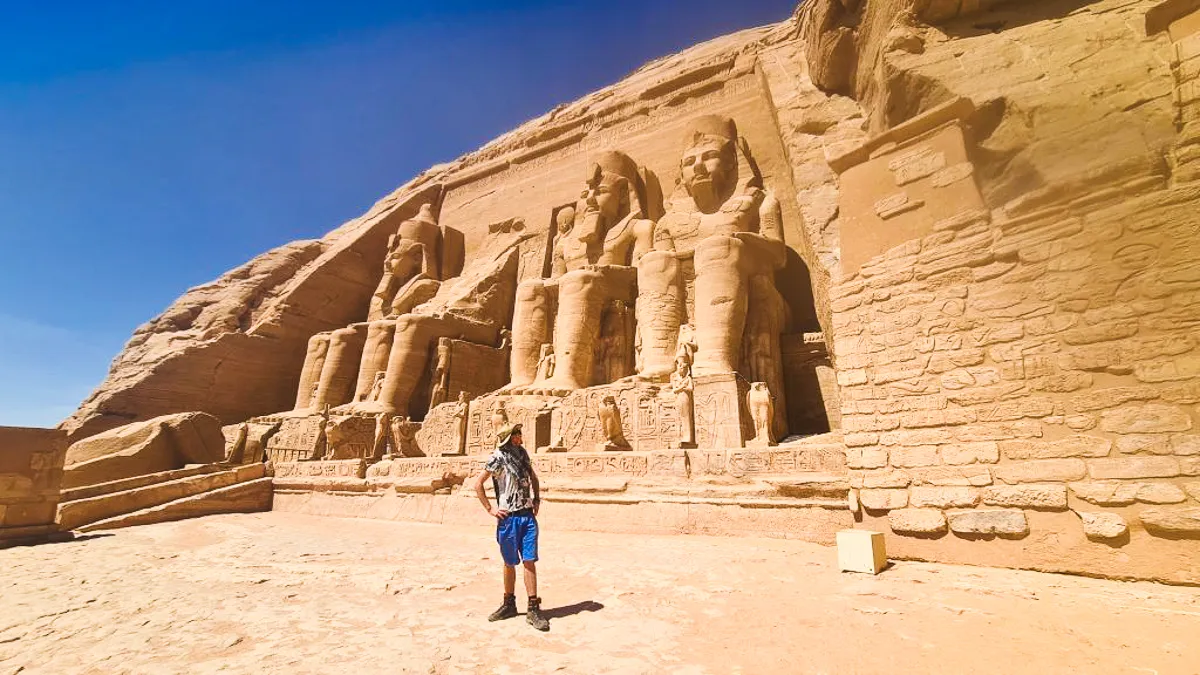
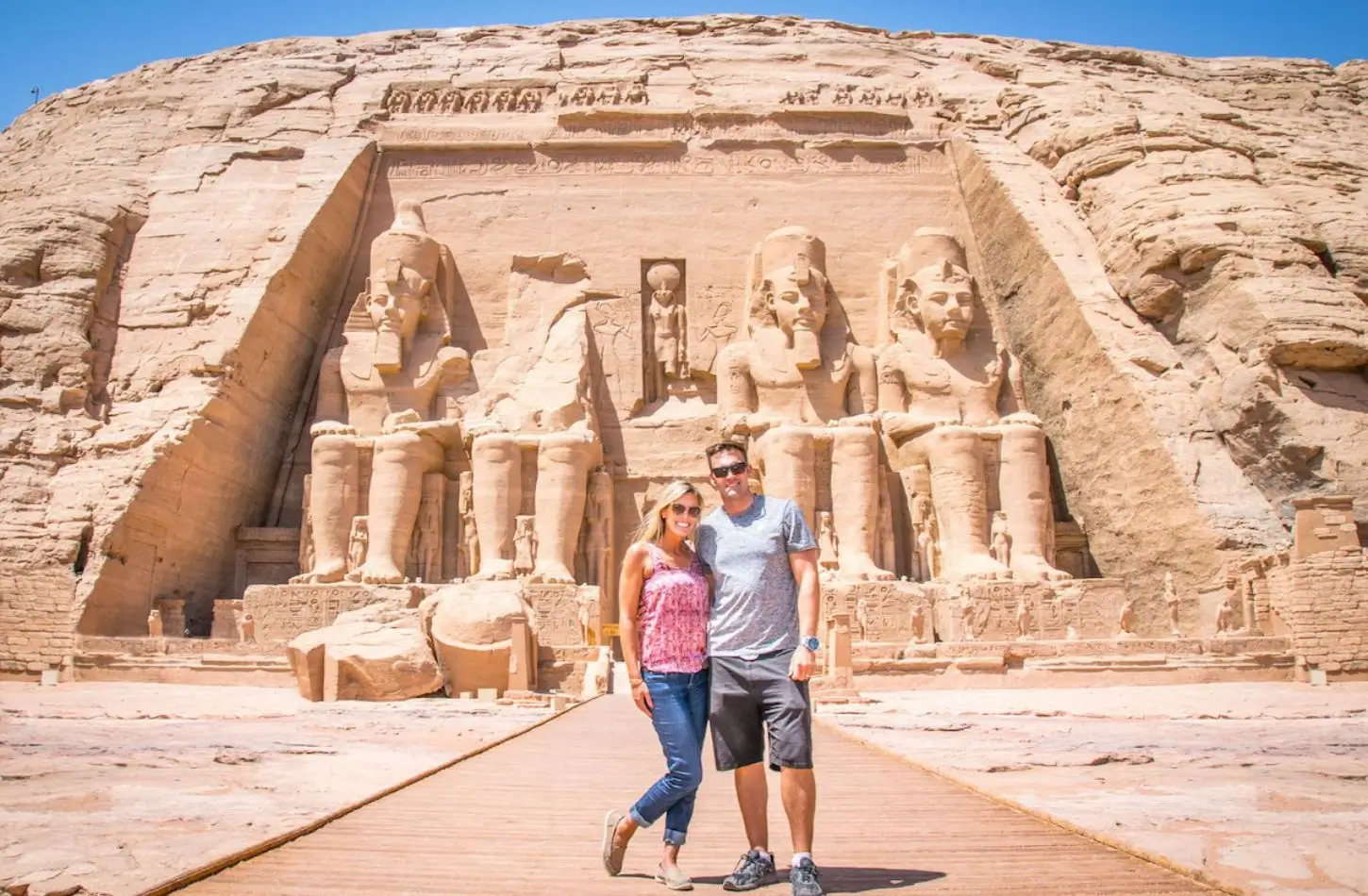
South of Luxor, Aswan offers a slower pace and stunning river scenery. Granite quarries supplied stone for ancient monuments, including obelisks. Nearby stands the majestic Abu Simbel, built by Ramses II and relocated in the 1960s to save it from flooding.
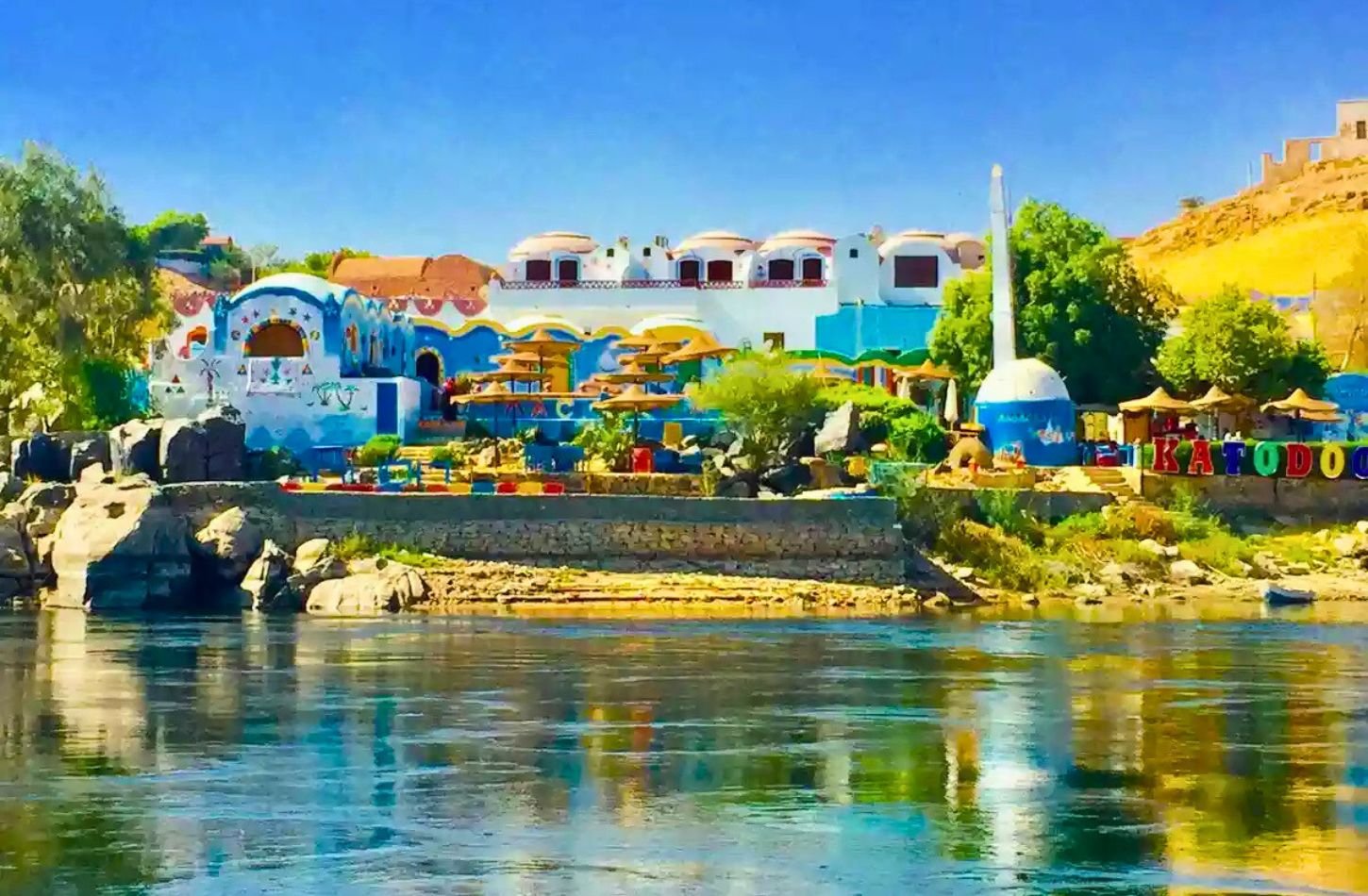
Aswan’s Nubian villages add a colorful cultural layer. Their homes feature bright painted facades and traditional interior courtyards designed to stay cool in the desert heat.
Red Sea Resorts and Desert Escapes
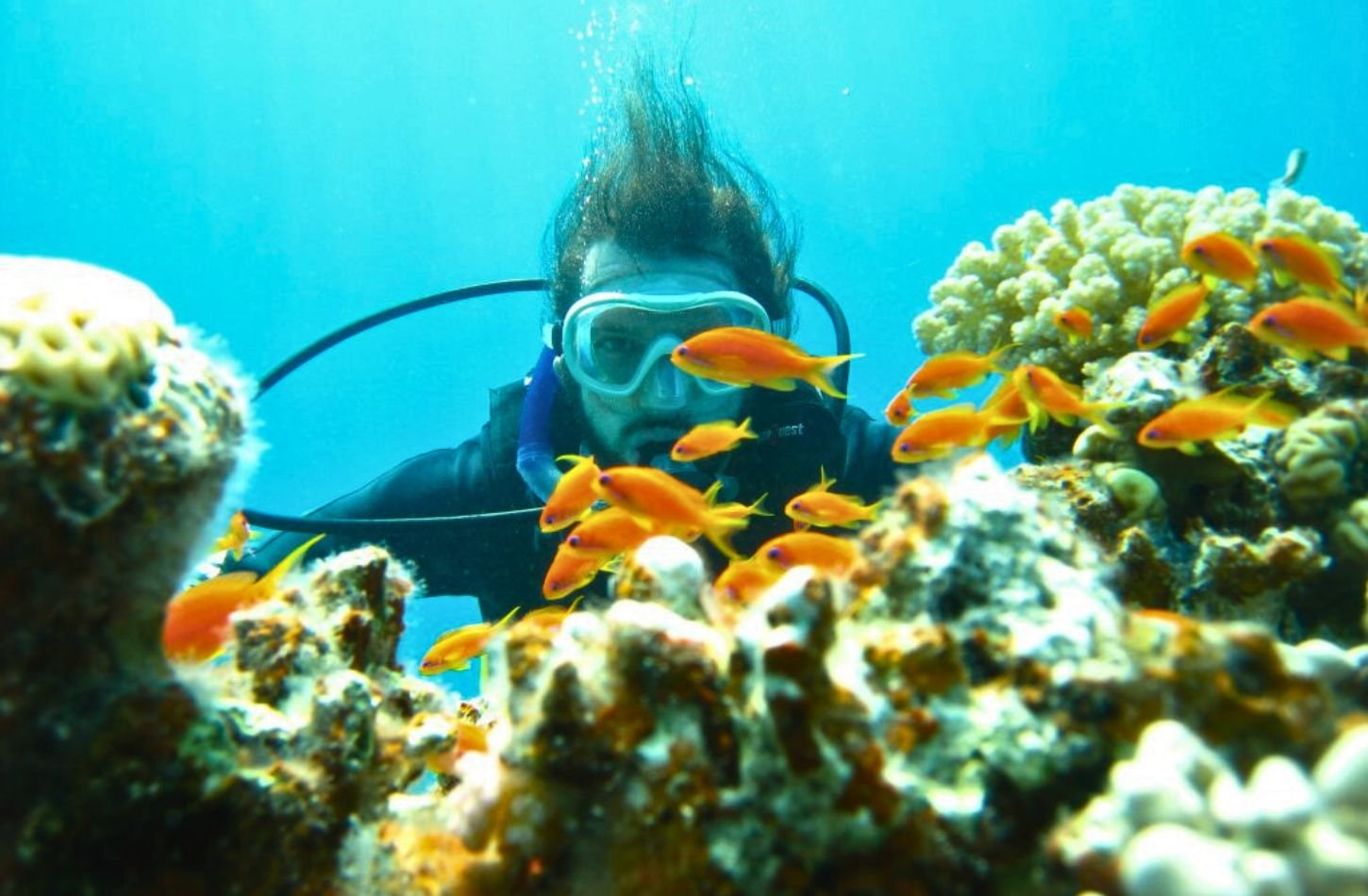
If you’re craving relaxation after exploring ancient temples and bustling cities, Egypt’s Red Sea coast offers a completely different atmosphere. Destinations like Hurghada and Sharm El Sheikh are famous for their crystal-clear waters, vibrant coral reefs, and year-round sunshine. The Red Sea is considered one of the world’s top diving and snorkeling destinations, thanks to its exceptional visibility and colorful marine life. Even beginners can enjoy the underwater world through guided snorkeling trips, while experienced divers explore dramatic drop-offs and historic shipwrecks.
Resorts along the coast range from all-inclusive beachfront properties to boutique eco-lodges. Many are designed with open-air architecture, shaded terraces, and sea-facing balconies that maximize natural light and ocean views. Interiors often blend contemporary comfort with subtle Egyptian motifs, creating relaxing spaces that feel both modern and connected to the environment.
Beyond the beaches, the Eastern Desert mountains create a striking backdrop. Jeep safaris, quad biking, and Bedouin-style dinners under the stars allow travelers to experience the rugged side of the region. The desert landscape, with its rocky valleys and endless horizons, provides a peaceful contrast to Egypt’s historical sites.
For something even more surreal, head west to the White Desert. This protected area is famous for its chalk rock formations sculpted by wind into shapes that resemble giant mushrooms and abstract sculptures. Camping here under a sky filled with stars feels almost otherworldly, offering silence and stillness rarely found elsewhere.
Further northwest lies the remote Siwa Oasis, near the Libyan border. Siwa has its own unique culture and architecture, with traditional homes built from kershef, a mixture of salt, mud, and stone. The oasis is dotted with palm groves, freshwater springs, and the ruins of ancient temples. Its slower pace and distinct heritage make it ideal for travelers seeking authenticity and tranquility.
Together, the Red Sea resorts and Egypt’s desert escapes reveal another side of the country—one defined not by monumental stone temples, but by nature, silence, and breathtaking landscapes shaped by time.
When Should You Visit Egypt?
Timing your trip wisely is one of the most practical Egypt travel tips, especially when you consider the country’s weather patterns. Egypt has a desert climate, which means long, hot summers and short, mild winters. Choosing the right season can make a significant difference in how comfortable and enjoyable your experience will be.
The best time to visit Egypt, based on the weather, is from October to April. During these months, temperatures are much more pleasant, particularly for sightseeing in open-air sites like the Giza Pyramids or the vast temple complexes of Luxor. Daytime temperatures typically range between 20°C and 30°C (68°F to 86°F), making it ideal for walking tours, desert excursions, and Nile cruises without the intense summer heat.
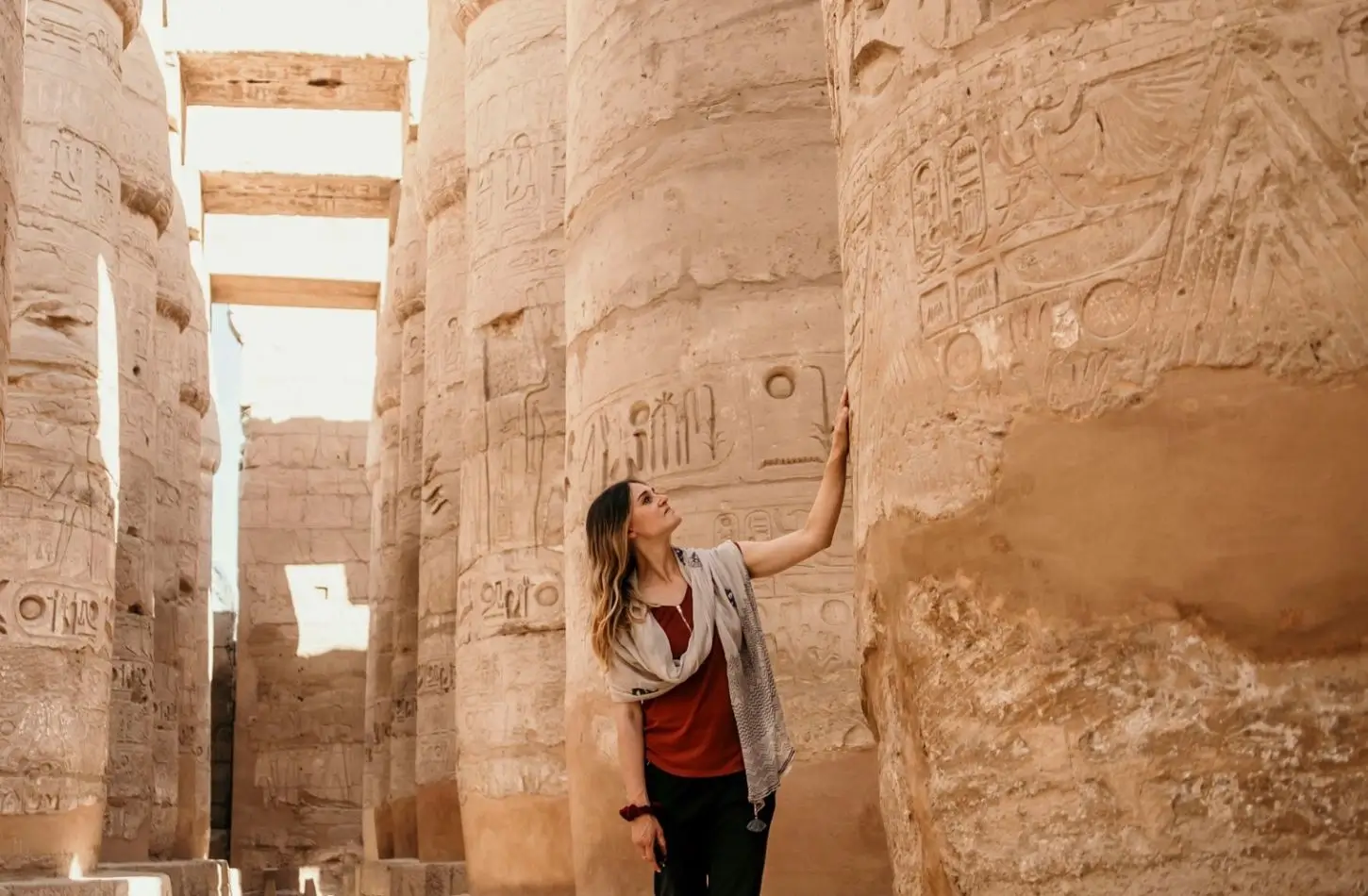
December and January are the coolest months, especially in the evenings, when temperatures can drop significantly, particularly in desert areas. This is also peak tourist season, so expect more crowds and slightly higher prices. However, the comfortable climate makes it worth it for many travelers.
Spring, particularly March and April, offers warm but manageable weather. Keep in mind that the khamsin wind—a hot, dusty wind—can occasionally occur during this period, briefly affecting visibility and air quality.
Summer, from June to August, brings extreme heat, especially in Upper Egypt, including Luxor and Aswan, where temperatures can exceed 40°C (104°F). Coastal destinations along the Red Sea are slightly cooler due to sea breezes, but inland sightseeing can be challenging. If you travel during summer, plan outdoor visits very early in the morning or close to sunset and rest indoors during peak afternoon hours.
Autumn, especially October and November, is one of the most balanced seasons. The weather is warm but not overwhelming, and tourist crowds are lighter compared to winter.
Ramadan is another seasonal factor to consider. While tourist attractions remain open, some restaurants may reduce daytime service hours, and daily routines shift slightly. Even so, visiting during Ramadan can offer a unique cultural experience, especially in the evenings when cities come alive with festive gatherings and special meals.
In short, for the most comfortable weather and the best overall sightseeing conditions, late autumn, winter, and early spring are the ideal times to visit Egypt.
Egypt travel tips: Is It Safe to visit Egypt?
A common question is it safe to visit Egypt? Egypt’s main tourist areas are well-secured and heavily monitored. Hotels, airports, and major attractions have a visible security presence.
Like any destination, it’s important to stay aware of your surroundings, avoid political gatherings, and use reputable transportation services. Petty scams, such as overcharging or persistent vendors, are more common than serious crime.
Registering with your embassy and having travel insurance are wise precautions. Overall, millions of visitors travel safely to Egypt each year.
Egypt travel tips for Solo Traveler
Traveling as a solo traveler in Egypt can be both empowering and unforgettable. Many visitors, especially women, wonder what to expect, but with the right mindset, the experience is smooth and deeply rewarding. Confidence, modest dress, and clear boundaries make a big difference when exploring busy cities and markets.
In popular destinations like Cairo, Luxor, and Aswan, solo travelers are common, and tourism infrastructure is well developed. Choosing centrally located hotels with strong reviews adds comfort and convenience. Using reputable ride-hailing apps or pre-arranged transfers is also a smart way to avoid unnecessary stress.
For women, dressing modestly with lightweight long clothing helps you blend in and minimizes unwanted attention. A simple scarf is practical for mosque visits and cultural respect. While Egypt is welcoming, being polite but firm when declining offers from vendors is important.
Guided visits to major sites like the Valley of the Kings or the Karnak Temple can provide both historical insight and added ease, but independent travel is entirely possible with good planning.
Most importantly, solo travel in Egypt gives you freedom. You can watch sunrise at the Giza Pyramids, spend extra time admiring temple architecture, or simply enjoy quiet Nile views at your own pace. With awareness and preparation, Egypt becomes a powerful and inspiring destination for independent explorers.
Egypt travel tips for Transportation in Egypt
Egypt transportation, as many travelers accidentally type when planning quickly, varies widely in comfort, speed, and cost across Egypt. Choosing the right option depends on your budget, schedule, and travel style.
Domestic flights are the fastest way to move between major destinations. Quick connections link Cairo with Luxor and Aswan, saving long hours on the road. Flights are especially useful if you are short on time and want to maximize sightseeing rather than spend a full day traveling.
Trains are a classic and scenic way to explore the Nile Valley. The rail line runs parallel to the river, passing farmland, villages, and desert edges. The overnight sleeper train provides private cabins with beds, while first-class daytime seats are air-conditioned and reasonably comfortable. Booking tickets in advance is recommended during peak travel seasons.
For shorter distances within cities, taxis and ride-hailing apps are widely available. In Cairo, especially, traffic can be heavy, so allowing extra time for transfers is wise. Using metered taxis or confirming the fare before starting your trip helps avoid confusion. Ride-hailing services offer clear pricing and are often the easiest choice for visitors unfamiliar with local routes.
Long-distance buses also connect cities at affordable rates. Modern coaches are air-conditioned and suitable for budget-conscious travelers, though travel times can be longer compared to flights or trains.
River travel remains the most iconic experience. Many visitors explore Upper Egypt through Nile cruises, sailing between Luxor and Aswan at a relaxed pace. These ships combine guided temple visits with onboard comfort, offering panoramic sun decks, dining rooms, and cabins with river views. Watching daily life unfold along the banks of the Nile adds a timeless dimension to your journey that no highway or airport can replicate.
With multiple options available, transportation in Egypt can be both practical and memorable when planned thoughtfully.
Egypt Travel Tips for Nile Cruise
A Nile cruise is one of the most relaxing and scenic ways to explore Upper Egypt, especially between Luxor and Aswan. To make the most of your experience, a few practical tips can go a long way.
The best time for a cruise is from October to April, when the weather is cooler and more comfortable for visiting open-air temples. During summer, temperatures can be extremely high, so early morning tours are essential. When booking, consider whether you prefer a large cruise ship with full amenities or a smaller, more traditional sailing boat for a quieter atmosphere.
Pack lightweight clothing, comfortable walking shoes, sunscreen, and a hat for temple visits such as the Karnak Temple and the Valley of the Kings. Evenings can be cooler in winter, so bring a light jacket.
Finally, remember that tipping is customary on cruises, and having small bills ready makes the process easier. Most importantly, slow down and enjoy the peaceful rhythm of the Nile—it’s as much about the journey as the destinations.
Egypt Travel Itinerary
Designing the perfect Egypt Travel Itinerary depends on how much time you have.
A seven-day trip might include Cairo and a short flight to Luxor. Ten days allow you to add Aswan and a cruise. Two weeks open possibilities for desert excursions or Red Sea relaxation.
Travelers who want a tailored experience often choose to customize Egypt Tour options through local operators. These services can combine historical exploration with cultural activities, cooking classes, or private guides.
For structured experiences, Egypt Tour Packages frequently bundle hotels, guides, transport, and entry tickets. Specialized Luxor Packages focus on temple exploration, while Luxor tours and Aswan tours dive deep into Upper Egypt’s archaeological wonders.
Architecture: A Living Timeline
Egypt’s architecture tells the story of power, faith, and innovation.
Ancient temples were designed as symbolic representations of the universe. Their pylons symbolized mountains, courtyards represented creation, and sanctuaries housed divine statues. Massive stone blocks were fitted without mortar, demonstrating engineering mastery.
Islamic Cairo offers mosques with geometric tilework, carved wooden mashrabiya screens, and interior courtyards designed for ventilation. Coptic churches add another dimension, blending Roman basilica forms with local artistic traditions.
Even modern resorts reflect environmental adaptation. Thick walls, shaded terraces, and interior courtyards reduce heat and encourage airflow, echoing ancient design principles.
Interior Design and Cultural Spaces
Step inside a traditional Egyptian home, and you’ll notice an emphasis on hospitality. Living rooms are often arranged for conversation, with patterned textiles and low tables for tea.
Historic palaces in Cairo showcase Ottoman influences, with marble floors and ornate ceilings. Nubian houses in Aswan use domed ceilings and bright pigments, creating interiors that feel both functional and joyful.
On Nile cruise ships, interior design often incorporates Pharaonic motifs, papyrus-inspired patterns, and panoramic windows that frame river sunsets.
What to Pack for Egypt: Essential Things
Packing smartly enhances your trip. Lightweight breathable fabrics are essential. A scarf can serve multiple purposes, from sun protection to mosque visits.
Comfortable walking shoes are critical for uneven temple floors and sandy paths. Sunscreen, sunglasses, and a hat are year-round necessities.
Evenings in winter can be surprisingly cool, especially on the river, so a light jacket is useful.
Adapters for Egyptian power sockets and small bills for tipping are practical additions to your bag.
Things to Know While Visiting Egypt
Understanding local customs makes travel smoother. Tipping, known as baksheesh, is customary for small services. Bargaining is expected in markets but not in modern malls.
Photography rules vary. Some tomb interiors prohibit cameras, while others charge a fee for their use. Always ask before photographing people.
Drinking bottled water is recommended, and street food should be chosen carefully based on cleanliness and freshness.
History and Purpose Behind the Monuments
Every major monument in Egypt served a religious or political function. Pyramids were resurrection machines, designed to transform deceased kings into divine beings. Temples were houses of gods, where priests performed daily rituals.
Tombs were filled with symbolic objects meant to sustain the soul in the afterlife. Wall paintings were not decorative alone; they were functional, believed to become reality in the spiritual realm.
Understanding this spiritual worldview adds depth to your visits. You’re not just seeing ruins. You’re witnessing humanity’s attempt to conquer time.
Things to Know before Travel to Egypt
Before departure, check visa requirements for your nationality. Many travelers obtain visas on arrival, but regulations change.
Currency exchange is straightforward, and credit cards are widely accepted in hotels. Learning a few Arabic phrases, such as “shukran” for thank you, is appreciated.
Reading up on Egypt Travel Advice from reputable sources ensures you stay informed about current guidelines and cultural expectations.
Final Thoughts on Egypt Travel Tips
Egypt is not a passive destination. It engages all your senses. The scent of spices in Khan el-Khalili, the golden glow of temples at sunset, the rhythm of the Nile against a boat hull—these experiences stay with you.
The most valuable of all Egypt travel tips is this: come with curiosity and patience. Allow time for conversations, for unexpected discoveries, and for simply standing in awe beneath columns carved thousands of years ago.
With thoughtful planning, realistic expectations, and respect for local culture, your journey through Egypt will become more than a vacation. It will become a story you carry for life.