Planning an Egypt Travel Itinerary can feel overwhelming at first glance. With thousands of years of history, iconic ancient monuments, energetic cities, and a culture that blends tradition with modern life, Egypt offers more than a typical vacation. It is a journey into the heart of human civilization. Whether you’re traveling for the first time or returning for a deeper experience, a well-structured itinerary is the key to exploring Egypt smoothly and meaningfully.
In this guide, you’ll find a clear, user-friendly breakdown of how to plan your trip, what to expect at key attractions, how to move around the country, and how to enrich your experience with food, culture, architecture, and local insights. This article aims to feel like it was written by a fellow traveler — someone who’s been there and wants to help you make the most of every moment.
Understanding the Foundation of an Egypt Travel Itinerary
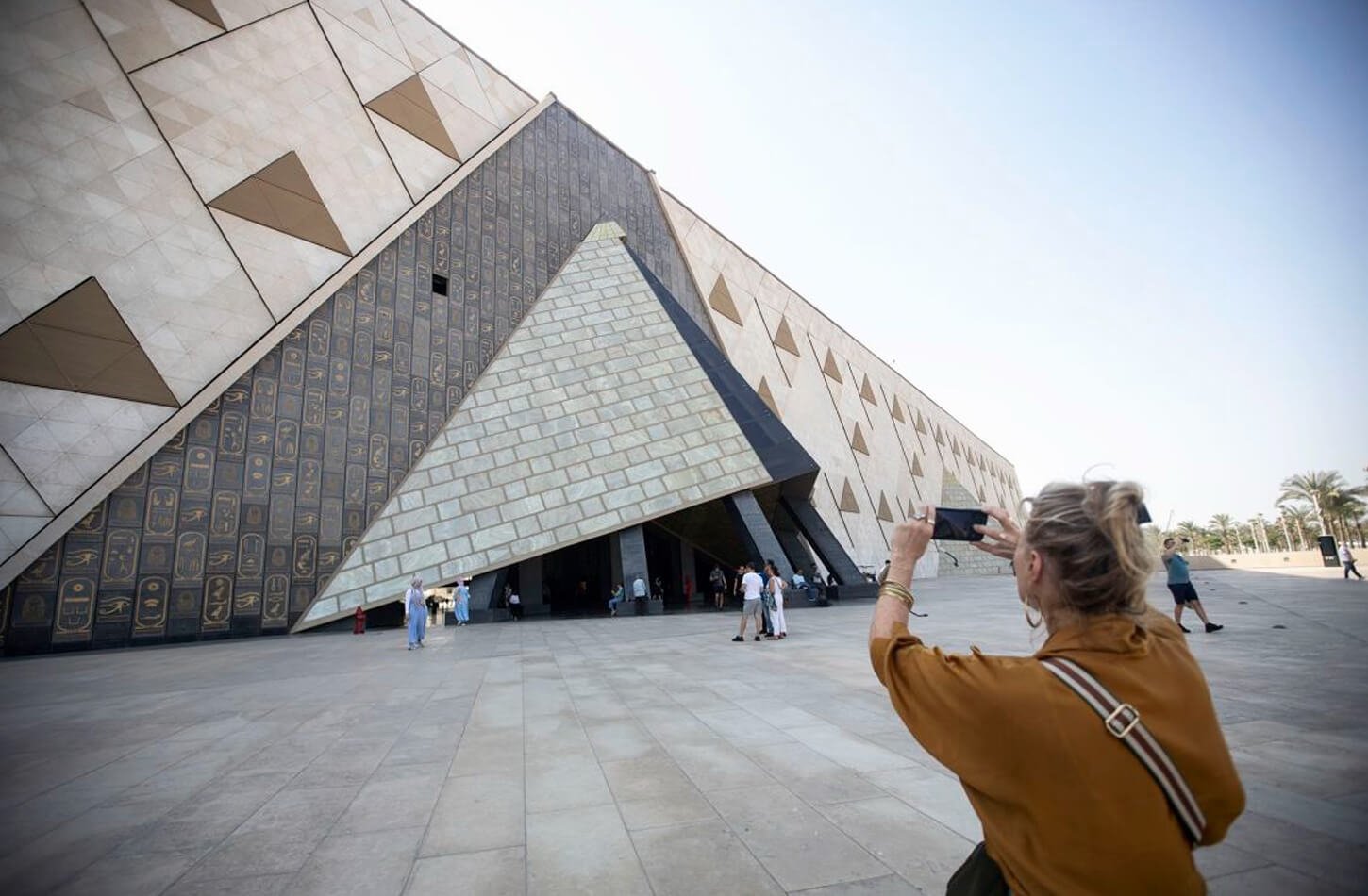
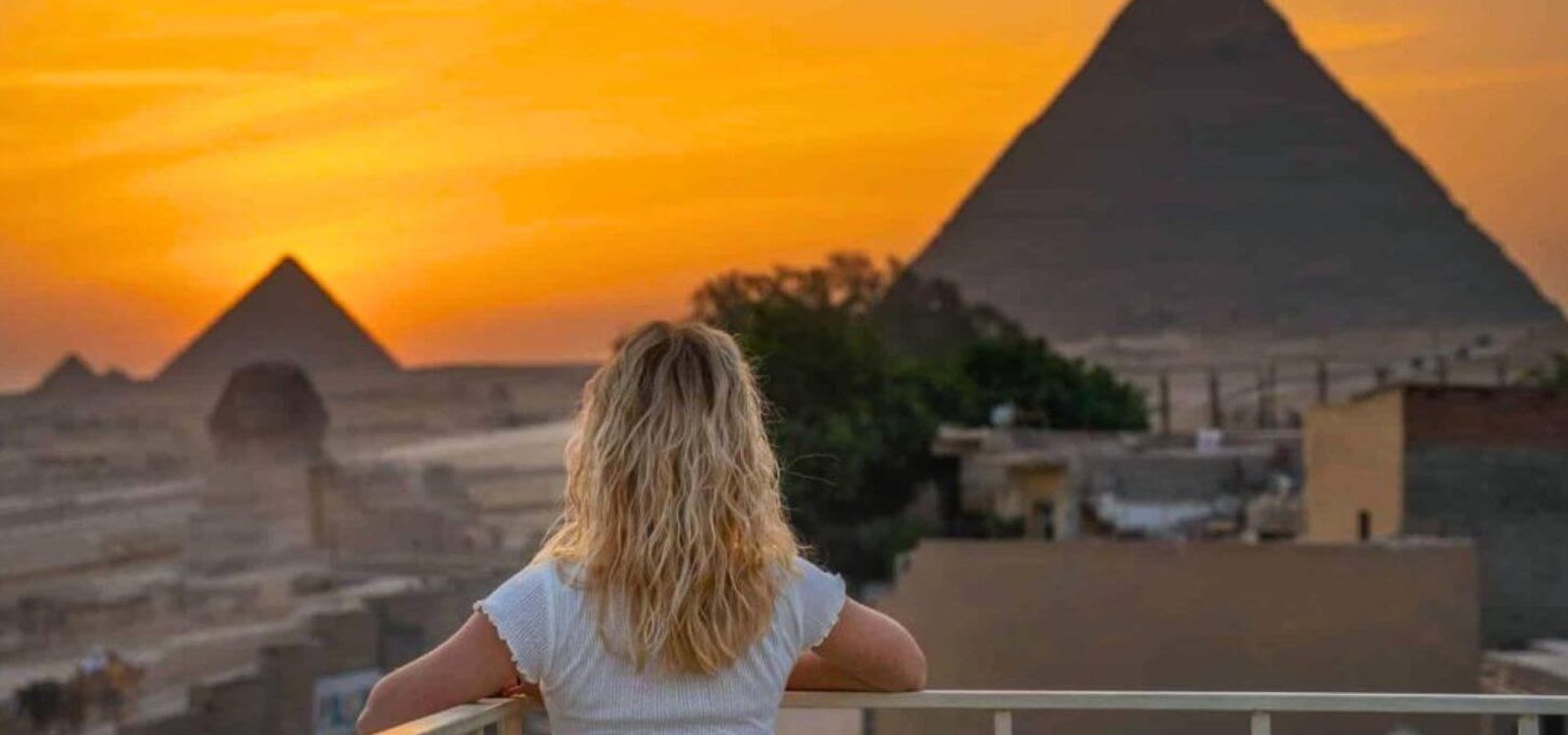
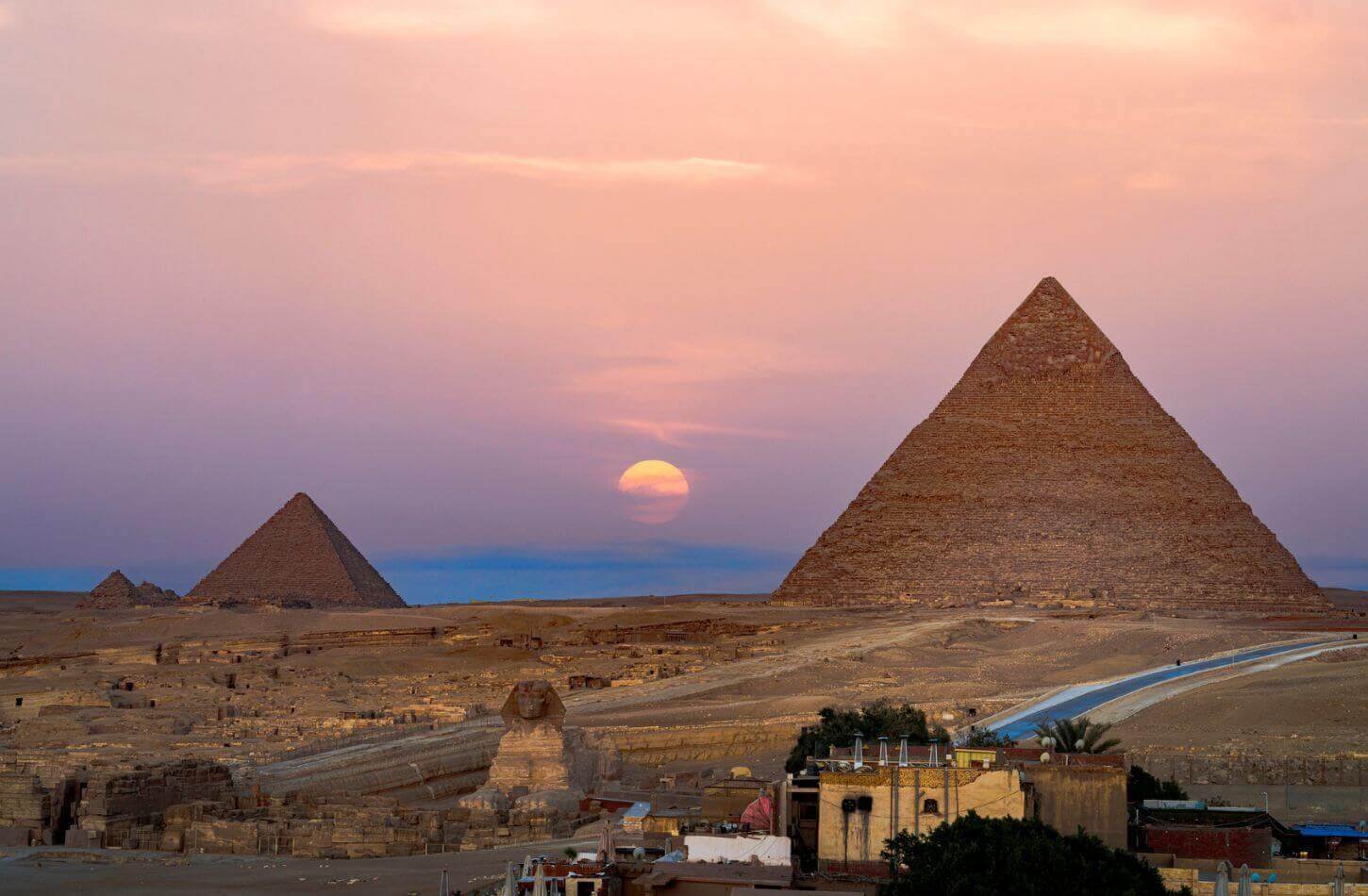
A smart Egypt Travel Itinerary always starts with Cairo, the country’s busy capital and the gateway to history. Most travelers land here because it’s close to the Great Pyramids of Giza, the Grand Egyptian Museum, and the bustling local markets that set the tone for the rest of your adventure. Cairo isn’t just a starting point; it’s a city with layers of civilizations that blend Islamic, Coptic, and Pharaonic heritage.
Once your journey begins, the route usually continues south toward Luxor and Aswan — the heart of ancient Egypt. This region holds a concentration of temples, tombs, and architectural masterpieces that showcase the country’s impressive legacy. This is often best explored through a Nile cruise, which provides both comfort and a historical perspective as you sail the same river ancient Egyptians once used for transport and trade.
How Long Should Your Egypt Travel Itinerary Be?
Although Egypt can be explored in a week, most travelers find that 10 to 12 days allow for a more relaxed and immersive experience. A typical structure includes a mix of Cairo’s urban energy, Luxor and Aswan’s archaeological treasures, and perhaps a final stop in Hurghada or Sharm El Sheikh for Red Sea relaxation.
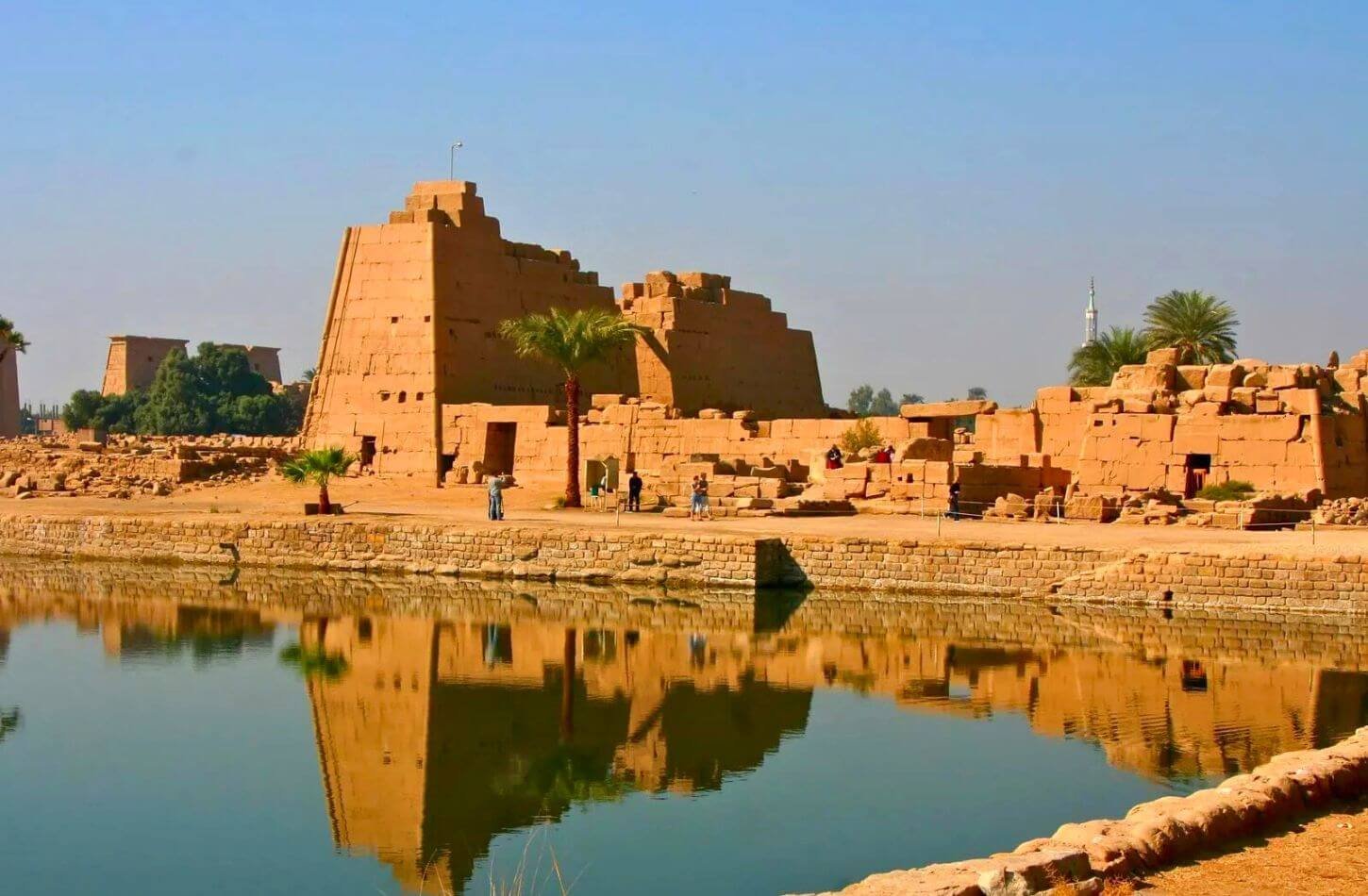
A flexible itinerary allows you to enjoy architectural wonders like Karnak Temple, known for its colossal pillars and impressive hypostyle hall. Learning about the engineering behind these structures creates a deeper appreciation of ancient Egyptian skills — from their understanding of astronomy to their precise alignment of buildings.
“Unveil the magic of Egypt! Secure your Egypt Tour Packages and explore iconic wonders now!”
Exploring the Architecture, History, Purpose, and Interior of Egypt’s Most Iconic Sites
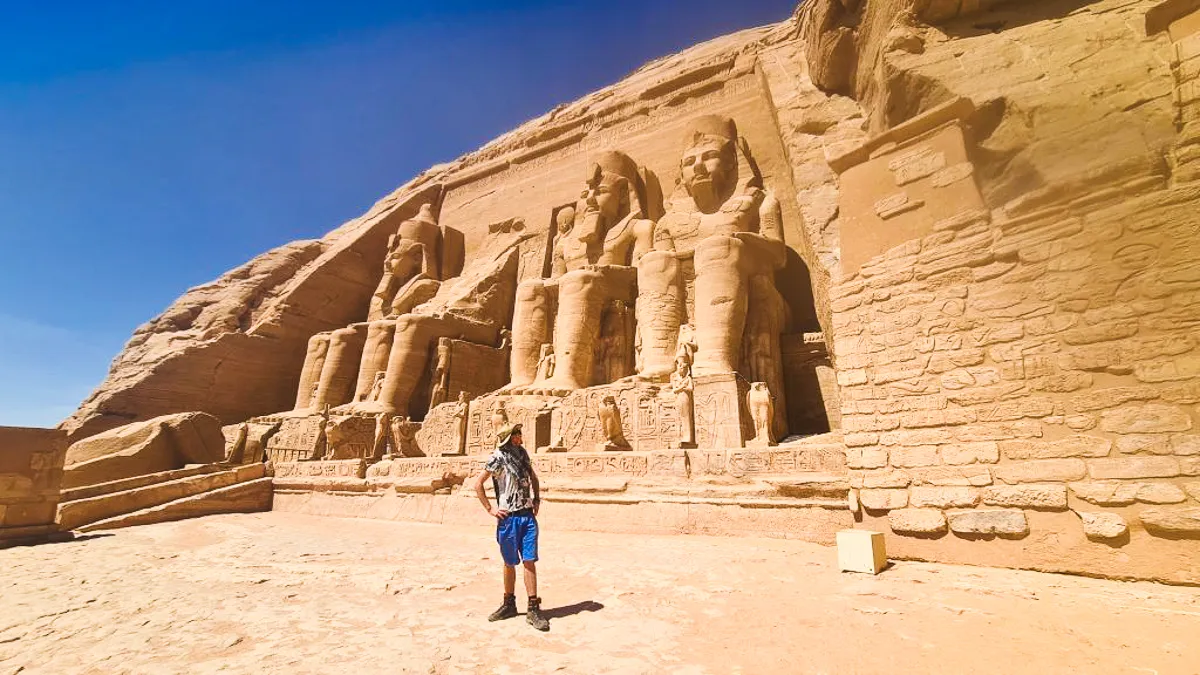
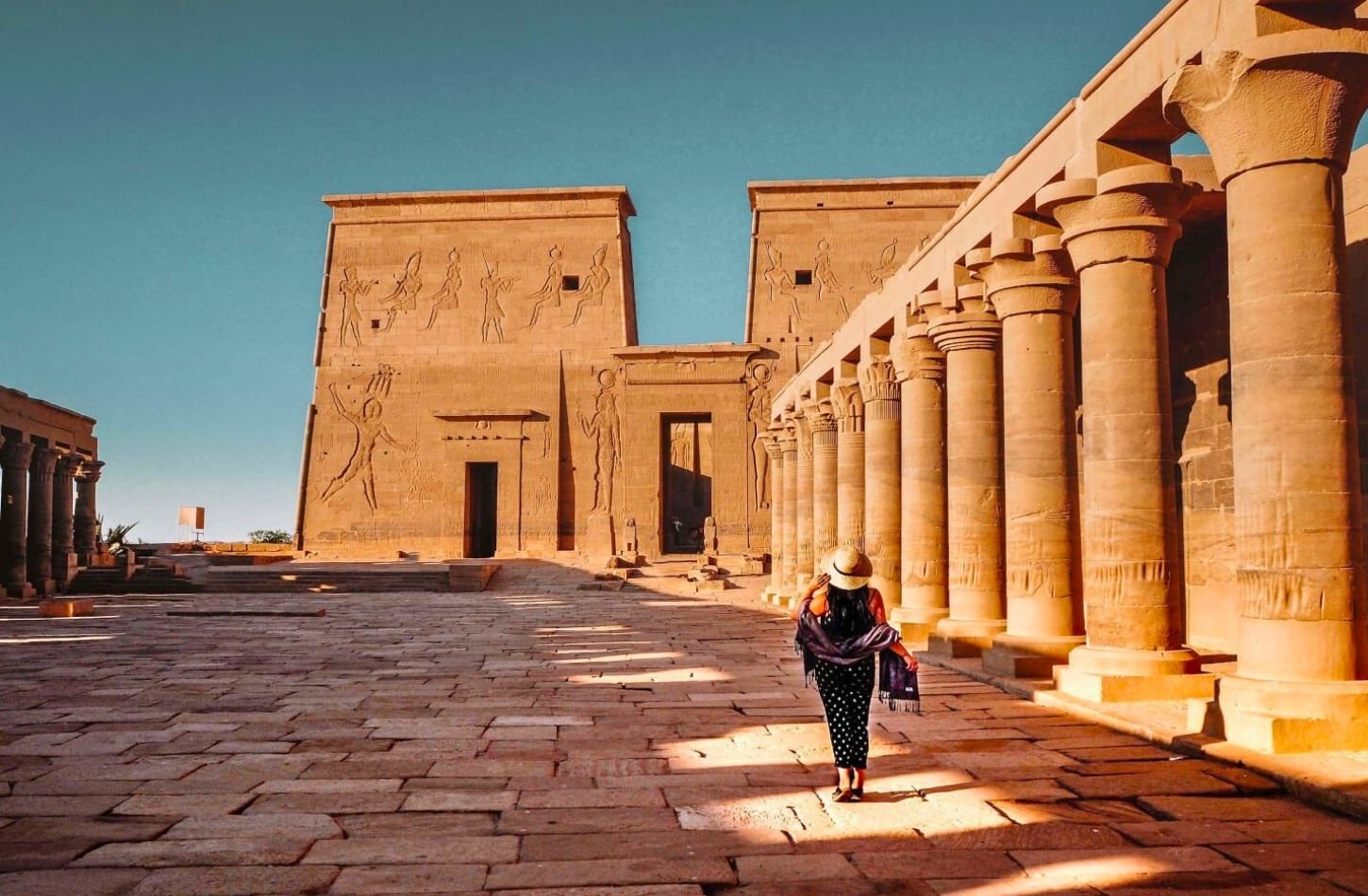
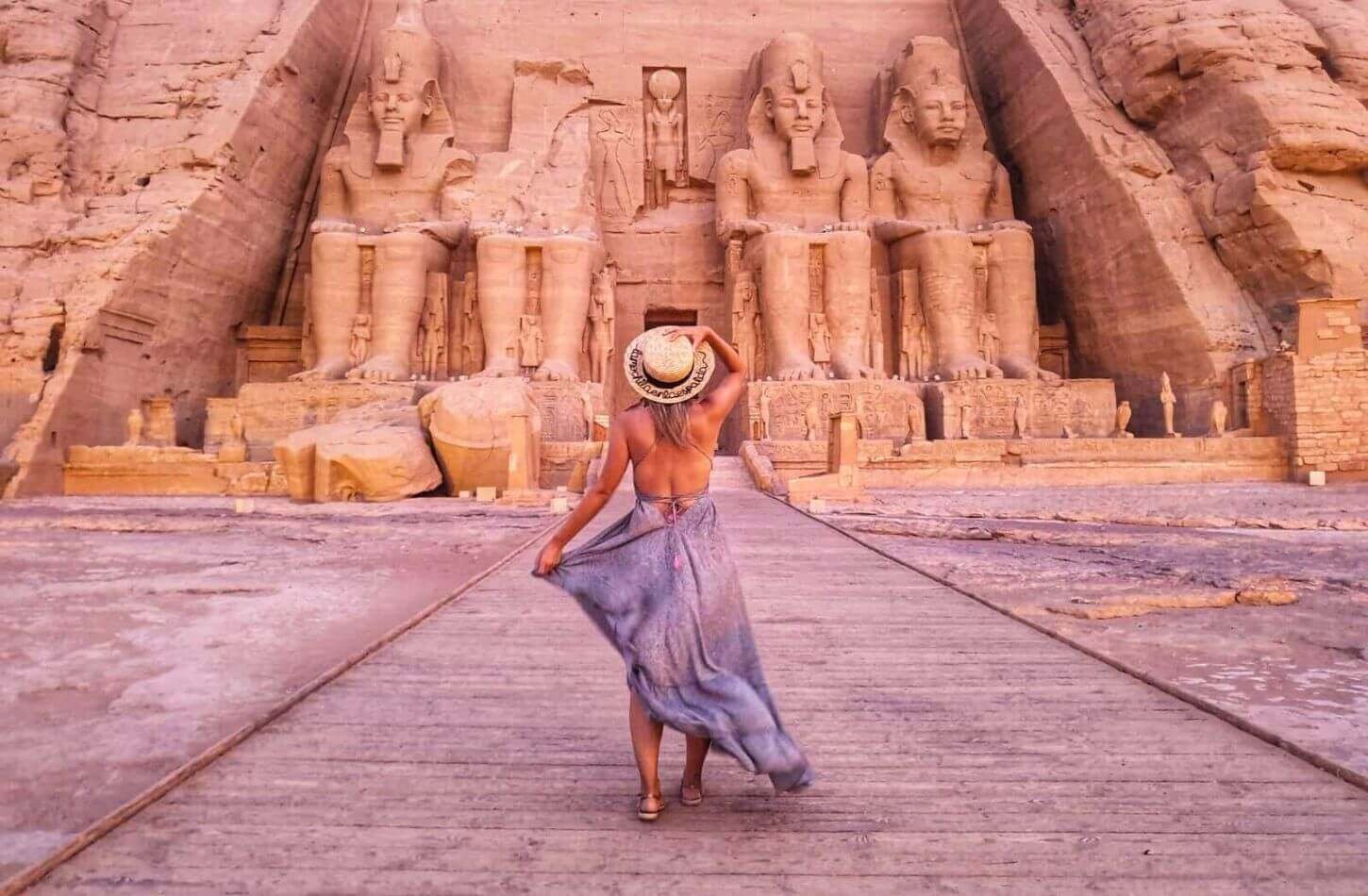
Architecture in Egypt is not just for show — it’s storytelling carved into stone. When you enter temples such as Edfu, Luxor, or Philae, you’re stepping into spaces designed with intentional symbolism. Temples were built as homes for gods, and every room had a specific purpose, from offering halls to sanctuary chambers.
Many travelers don’t realize that the interior of these monuments is often more impressive than the exterior. For example, the Temple of Edfu contains well-preserved inscriptions that reveal ancient rituals and daily religious life. Its towering pylons demonstrate the Egyptians’ mastery of stonework and artistic expression. As you explore these sites, take time to imagine them in their original form — brightly painted, bustling with activity, and alive with spiritual significance.
Understanding this historical context will transform your Egypt Travel Itinerary from a simple sightseeing trip into a memorable interaction with the past.
Adding Cultural Experiences to Your Egypt Travel Itinerary
Culture is what breathes life into your journey, and Egypt offers an endless stream of unique moments. Along the way, you’ll naturally encounter traditional Egyptian dishes that add warmth to your experience. Plates like koshari, molokhia, stuffed grape leaves, and fresh falafel tell stories of family kitchens and local traditions. Food isn’t just nourishment here — it’s part of the travel narrative.
As you browse markets and bazaars, you’ll also be surrounded by souvenirs in Egypt that reflect craftsmanship passed down through generations. Handmade carpets, alabaster pieces, papyrus art, and jewelry inspired by ancient designs are among the most popular finds. These small treasures become memories that last long after your trip ends.
If you visit during Ramadan, your itinerary will feel even more authentic. Streets glow with colorful lanterns known as fanous, families gather for Iftar, and the city adopts a festive rhythm that you won’t experience at any other time of year. Ramadan in Egypt is a cultural highlight, offering a chance to see how tradition shapes everyday life.
Crafting the Middle Section of Your Journey: What Every Traveler Should Experience
As your Egypt tour itinerary takes shape, the middle of your trip is where the deepest exploration usually happens. It’s the time when you’ve adapted to the environment, grown comfortable navigating the culture, and are ready to absorb more.
During this stage, many travelers aim to learn from the best museums in Egypt. Whether you’re exploring the Grand Egyptian Museum (with its extensive Tutankhamun collection) or the Nubian Museum in Aswan, you’ll gain context that brings monuments and ruins to life. Museums are the thread that ties history together, reinforcing the stories you encounter at each archaeological site.
A major part of this phase also includes your Egypt transportation guide, especially if you’re moving between cities. Egypt offers flights, sleeper trains, private cars, ferries, and buses. The transportation options are surprisingly accessible, and knowing the best way to get around helps you avoid delays and maximize time at attractions.
While planning your route, it’s important to keep the top Egypt travel safety tips in mind. Egypt is generally safe for travelers, but like any major destination, awareness makes the experience smoother. Stick to reputable guides, follow local customs, and be mindful of crowded areas.
Many travelers also prioritize creating a list of the best things to do in Egypt. From visiting the Pyramids at sunrise to sailing on a felucca at sunset, experiences often matter more than locations. If you’re traveling alone, solo travel in Egypt is entirely possible when well-prepared. Many women travel independently and find the country surprisingly welcoming and helpful, particularly in tourist areas.
A complete Egypt travel guide also includes the best time to visit Egypt. While the winter months (October to April) offer the most comfortable weather, the shoulder seasons provide fewer crowds and excellent value.
As this middle portion of your trip progresses, you’ll naturally come across essential Egypt travel tips shared by locals or fellow travelers. These might range from bargaining politely to choosing the best places to visit in Egypt based on your interests. Advice like this enriches your itinerary with practical insight you won’t find in textbooks.

This is also the perfect stage to consider what to pack for Egypt. Lightweight clothes, sun protection, comfortable walking shoes, and modest outfits for religious sites are always helpful. The climate varies greatly between day and night, so preparation ensures comfort.
Finally, if Cairo is part of your itinerary — and it should be — you’ll appreciate knowing the best hotels in Cairo. From luxury stays overlooking the Nile to budget-friendly boutique options, the city offers accommodations that suit every travel style.
Building the Final Section of Your Egypt Travel Itinerary
As your journey winds down, the last few days of your Egypt Travel Itinerary allow you to reflect, relax, and enjoy Egypt at a slower pace. Some travelers choose to end their trip in Luxor, savoring one last sunrise over the Nile. Others head to the Red Sea for relaxation before flying home.
The end of your trip can also include revisiting markets for souvenirs, trying dishes you may have missed, and reflecting on the historical sites that resonated the most. Egypt has a way of surprising you — one moment you’re standing before a towering temple, and the next you’re enjoying tea in a small café, talking to locals who share stories of their city.
Before leaving, many travelers feel a sense of connection to the country, its culture, and its history. A great itinerary doesn’t just guide you through locations; it creates memories woven from experiences, people, and timeless places.
Conclusion: Crafting the Perfect Egypt Travel Itinerary
Creating an Egypt Travel Itinerary is more than organizing a list of destinations. It’s about building a journey that harmonizes history, culture, adventure, and relaxation. Egypt invites you to explore its temples, sail its river, taste its cuisine, and feel the warmth of its people.
With careful planning, a flexible mindset, and an appreciation for both ancient and modern wonders, your trip to Egypt will become an unforgettable adventure — one that stays with you long after your plane takes off.