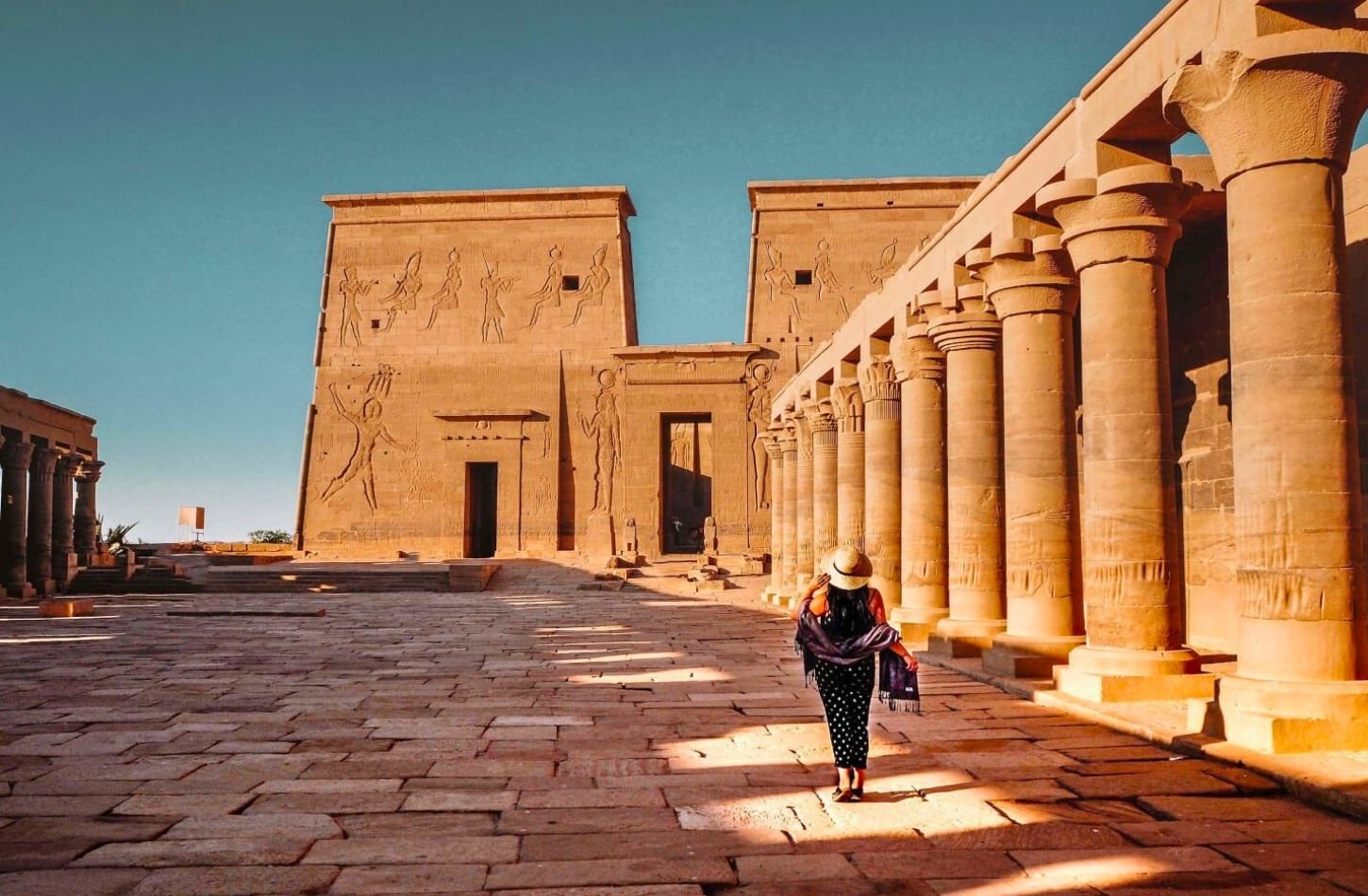

Exploring Egypt is like stepping into a living museum — from the majestic Pyramids of Giza to the tranquil Nile River and the bustling streets of Cairo. But to truly experience everything this ancient land has to offer, it’s essential to understand Egypt transportation. The country’s network of planes, trains, buses, ferries, and private transfers makes traveling between cities and historic sites surprisingly easy once you know your options.
This comprehensive guide will take you through Egypt’s transportation system — from modern metro lines and air travel to Nile cruises and car rentals. Whether you’re a first-time visitor or a seasoned traveler, this information will help you move confidently across Egypt.
The Evolution of Egypt’s Transportation
A Journey Through History
Transportation in Egypt has deep historical roots. Thousands of years ago, the Nile River was the lifeline of ancient Egypt, serving as the primary means of travel and trade. Egyptians used boats made of papyrus and later wood to move goods and people between Upper and Lower Egypt. The river connected settlements and temples, shaping the civilization’s economy and culture.
In the 19th and 20th centuries, Egypt’s transportation system evolved rapidly with the introduction of railways, paved roads, and later air travel. The Egyptian National Railways, founded in 1854, became one of the oldest in Africa and the Middle East. Today, the country continues to modernize its infrastructure, combining tradition with progress.
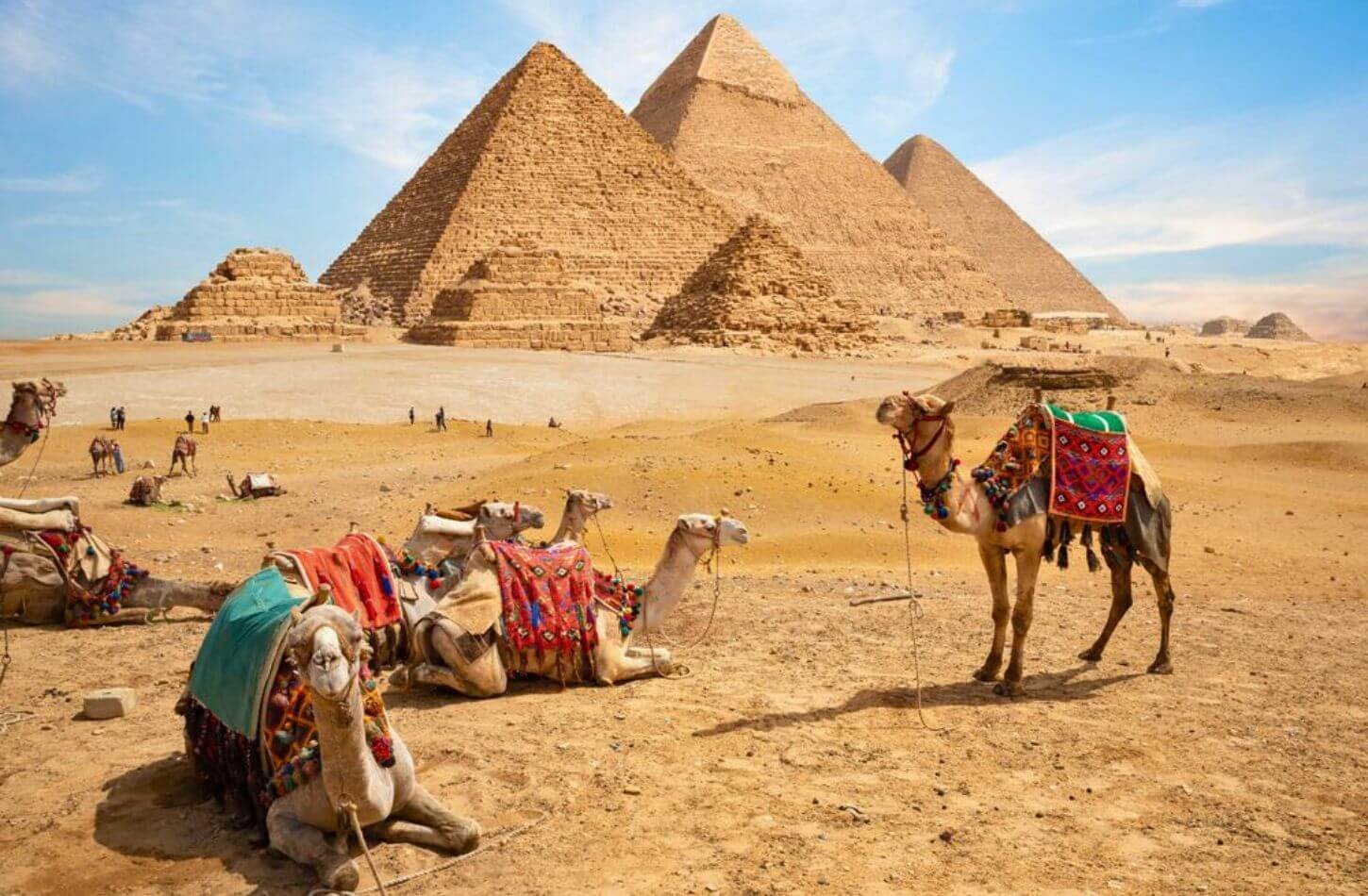
Understanding the Egypt Transportation Map
Egypt’s transportation map is vast and diverse, covering cities, deserts, and coastal regions. Major travel routes connect the northern Mediterranean coast with the southern Nubian lands, while the Nile River divides the country into east and west banks.
- Cairo sits in the north as the main transportation hub, linking all major destinations by air, rail, and road.
- Alexandria, to the northwest, is accessible by train, bus, or private transfer from Cairo.
- Luxor and Aswan lie to the south, famous for temples and the Nile cruise routes.
- Hurghada and Sharm El Sheikh, on the Red Sea coast, are popular resort destinations connected by flights, buses, and ferries.
For tourists, understanding the geography of Egypt helps plan efficient routes — especially since the country stretches over 1,000 kilometers from north to south.
Transportation in Egypt for Tourists
Tourists in Egypt can choose from a range of transportation options depending on their comfort, budget, and itinerary. For example, backpackers might prefer affordable public transport, while luxury travelers often opt for private drivers or domestic flights.
In major tourist destinations like Cairo, Luxor, Aswan, and Sharm El Sheikh, services are generally reliable, with many travel agencies offering guided transfers between attractions. English-speaking drivers and organized tours make traveling stress-free, even for first-time visitors.
For those on longer stays, exploring local transportation — such as trains or ferries — provides a deeper, more authentic experience of Egypt’s culture and daily life.
Public Transportation in Egypt
Metro, Buses, and Trains
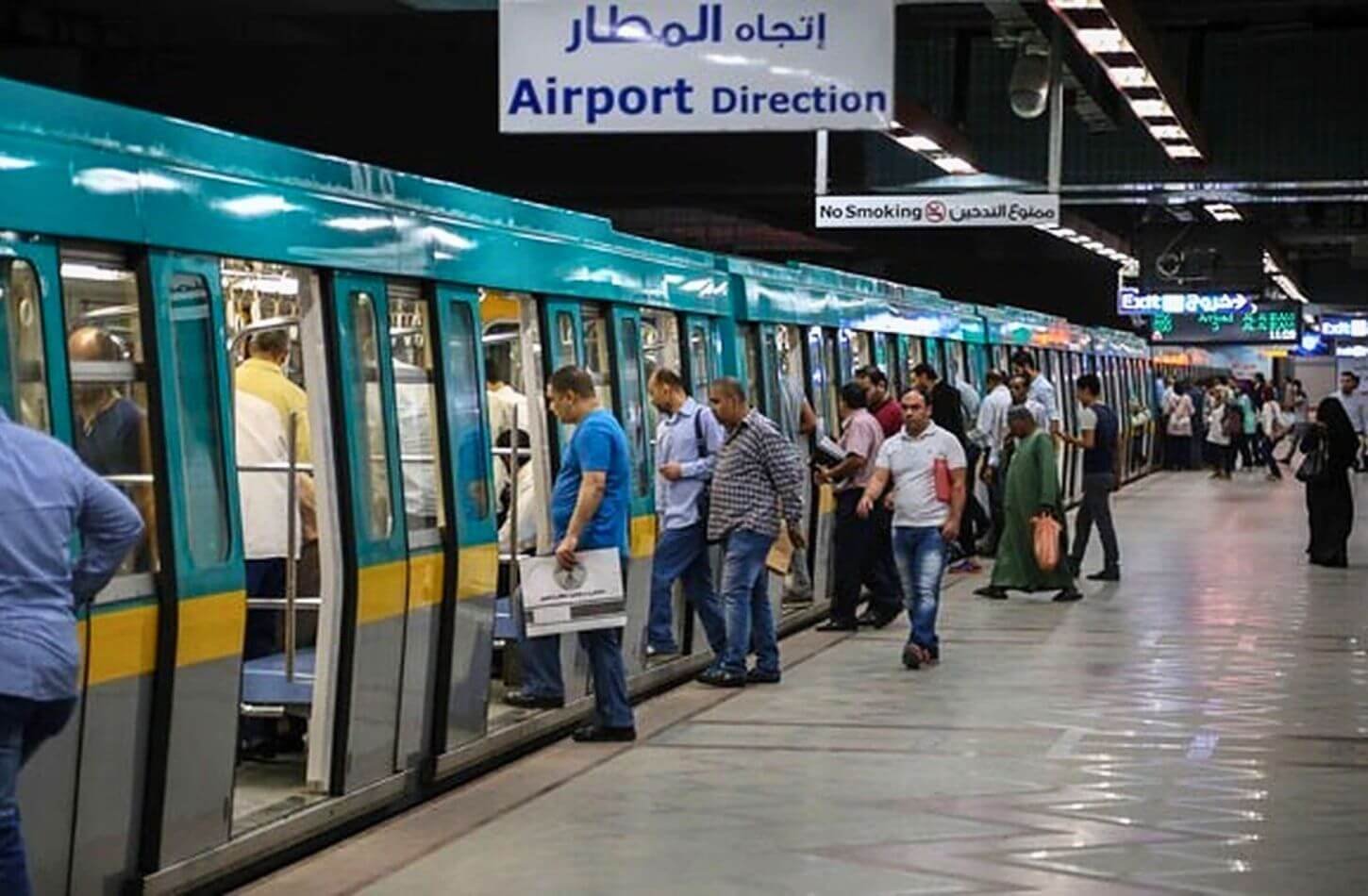
Public transportation in Egypt is centered around Cairo, the capital. The Cairo Metro is the only underground system in Africa and serves millions daily. It’s affordable, efficient, and ideal for tourists exploring central Cairo, with stops near major attractions like the Egyptian Museum and Coptic Cairo.
Buses, minibuses, and microbuses operate across cities and rural areas, offering low-cost travel but with limited comfort and signage in Arabic. They are best suited for adventurous travelers comfortable with local customs.
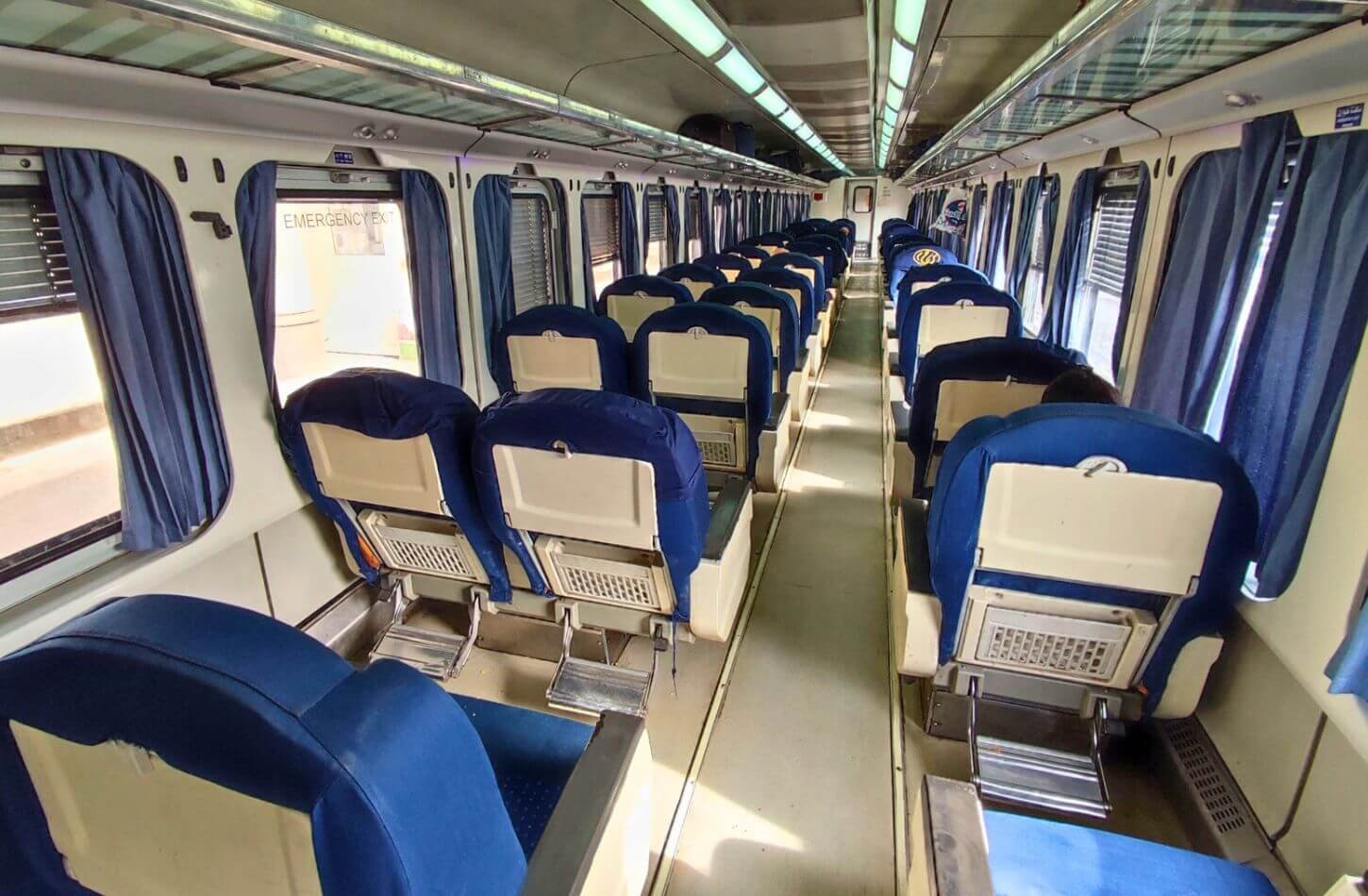
Egypt’s railway network connects Cairo with major cities like Alexandria, Luxor, and Aswan. The Egyptian National Railways operates different classes, including first-class air-conditioned cabins that are clean, safe, and ideal for long journeys. The overnight sleeper train between Cairo and Luxor or Aswan is particularly popular among tourists, offering beds and meals on board.
Cairo Egypt Transportation
Cairo is Egypt’s beating heart — a city where ancient wonders meet modern chaos. Navigating its sprawling streets may seem intimidating at first, but with a little preparation, you can move around smoothly.
Metro and Taxis
The Cairo Metro is the fastest way to escape traffic congestion. With expanding lines connecting Giza, Heliopolis, and New Cairo, it’s a practical choice for daily sightseeing. Women-only carriages are available, ensuring safety and comfort.
Taxis are another convenient mode of transportation. Traditional black-and-white cabs still exist, but apps like Uber, Careem, and InDriver now dominate the market, offering air-conditioned rides with transparent pricing. They’re especially useful for tourists who prefer direct routes and fixed fares.
Buses and Private Transfers
Cairo’s buses and minibuses run across neighborhoods but can be confusing due to Arabic-only signs. Most visitors prefer private transfers or hotel shuttles, which provide comfort and reliability, especially when visiting sites like the Giza Plateau or the Grand Egyptian Museum.
Air Travel Within Egypt
Egypt’s large size makes domestic air travel a time-saving option. The national carrier, EgyptAir, along with smaller airlines like Nile Air and Air Cairo, operates frequent flights connecting major destinations such as Cairo, Luxor, Aswan, Hurghada, and Sharm El Sheikh.
For example, a flight from Cairo to Aswan takes only about 90 minutes compared to a 12-hour train ride. Flights are affordable, especially when booked in advance, and airports are modern with efficient services.
Domestic flights are ideal for those on tight schedules or those combining historical sightseeing with a beach holiday on the Red Sea.
Nile Transportation: Cruising Through History
No discussion of Egypt’s transportation would be complete without mentioning the Nile River. It remains one of the most iconic and enjoyable ways to explore the country. Nile cruises between Luxor and Aswan offer an unforgettable journey through history, gliding past temples, villages, and palm-lined banks.
Modern cruise ships provide luxury amenities such as pools, restaurants, and guided tours to temples like Kom Ombo and Edfu. For a more traditional experience, travelers can opt for a felucca, a wooden sailboat used since ancient times. Feluccas offer a slower, peaceful journey — perfect for watching the sunset over the river.
The Nile is more than just a transportation route; it’s a cultural symbol and a bridge between Egypt’s glorious past and vibrant present.
Renting a Car in Egypt
Renting a car in Egypt gives travelers the freedom to explore at their own pace. However, driving in Egypt requires confidence and patience due to the unpredictable traffic, especially in Cairo.
What to Know Before Renting
To rent a car, you need a valid international driver’s license and passport. Most major rental companies operate in Egypt, including Hertz, Sixt, and Avis, with offices in airports and major cities. It’s advisable to book in advance and opt for insurance coverage.
For travelers unfamiliar with local driving habits, hiring a car with a driver is a safer and more relaxing alternative. Drivers are usually knowledgeable about the roads and can double as informal guides, offering local insights along the way.
Private and Tourist-Friendly Transportation Options
Tourists who prioritize comfort and convenience can take advantage of Egypt’s growing market for private and tourist-oriented transportation. Many travel agencies and hotels offer private car services, group transfers, and guided day trips.
Private vans or SUVs are perfect for families or small groups visiting sites like the Saqqara necropolis or the Valley of the Kings. These services are not only comfortable but also include experienced drivers who speak English and know the best routes to avoid traffic.
Another increasingly popular option is booking organized tours that include all transportation. This approach eliminates logistical stress and ensures that travelers make the most of their time without worrying about tickets or navigation.
Transportation Between Tourist Cities
Egypt’s main tourist cities are well-connected, offering several options for overland and air travel.
Cairo to Alexandria
The train between Cairo and Alexandria is fast, comfortable, and scenic, taking around two hours. Buses and private transfers are also available, though the train remains the preferred choice.
Cairo to Luxor and Aswan
For those not flying, the sleeper train offers a comfortable overnight journey with modern amenities. It’s a practical and romantic way to experience Egypt’s vast landscapes.
Hurghada to Sharm El Sheikh
Traveling between these two Red Sea resorts can be done by domestic flight or ferry across the Gulf of Suez. Road travel takes several hours but offers coastal views and desert scenery.
The Future of Egypt Transportation
Egypt continues to invest heavily in modernizing its infrastructure. Projects like the New Administrative Capital’s transportation network, high-speed electric trains, and expanded metro lines in Cairo are transforming travel across the country.
The planned high-speed rail line will connect the Red Sea with the Mediterranean, reducing travel time between cities like Ain Sokhna and Alexandria. These developments not only benefit locals but also enhance the tourist experience, making Egypt more accessible and connected than ever before.
Essential Travel Tips for Getting Around Egypt
While Egypt offers diverse transportation options, knowing a few practical tips can make your journey smoother:
- Always confirm prices before starting a taxi or private ride if you’re not using an app.
- Keep small change for metro or bus fares.
- Book train or domestic flight tickets in advance during peak travel seasons.
- For long journeys, choose first-class or sleeper options for comfort and safety.
- Consider guided tours or private drivers for complex itineraries involving multiple destinations.
Final Thoughts
Getting around Egypt is part of the adventure. Whether you’re gliding down the Nile, hopping between ancient cities by train, or soaring over deserts by plane, Egypt transportation weaves together the threads of history and modernity.
Each mode of travel offers a different perspective — from the timeless rhythm of the river to the fast-paced hum of Cairo’s metro. Understanding Egypt’s transportation system not only makes travel easier but also deepens your connection with this extraordinary country.
So, plan wisely, embrace the journey, and let Egypt’s roads, skies, and waters guide you through one of the most fascinating destinations on Earth.