When people search for the Best places to visit in Egypt, they often begin with images of pyramids rising from golden sands. Yet Egypt is not a single postcard scene. It is a vast, layered destination where architecture, religion, daily life, and landscape have interacted for over five thousand years. Every region has its own identity, purpose, and design philosophy shaped by climate, belief systems, and political power.
For travelers seeking a comprehensive experience, Egypt Tour Packages offer expertly planned itineraries that combine must-see landmarks with hidden gems. This guide takes you beyond surface impressions. We will explore Egypt’s most iconic monuments and lesser-known treasures, diving deeply into their history, architectural details, interior design features, and cultural significance. From ancient temples to coastal resorts, from bustling cities to silent desert landscapes, these destinations together define the Best places to visit in Egypt.
Giza Pyramid: Engineering the Eternal
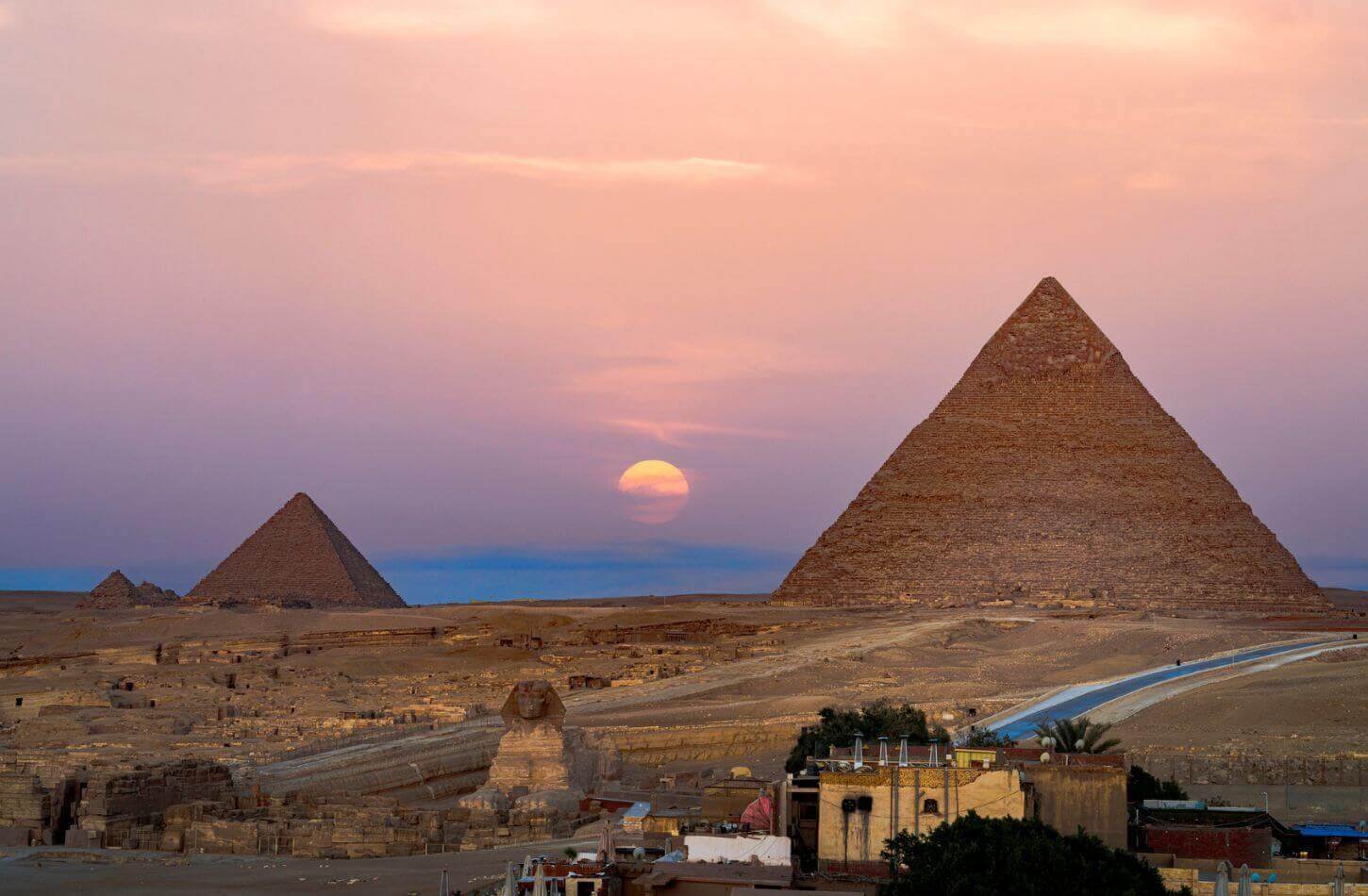
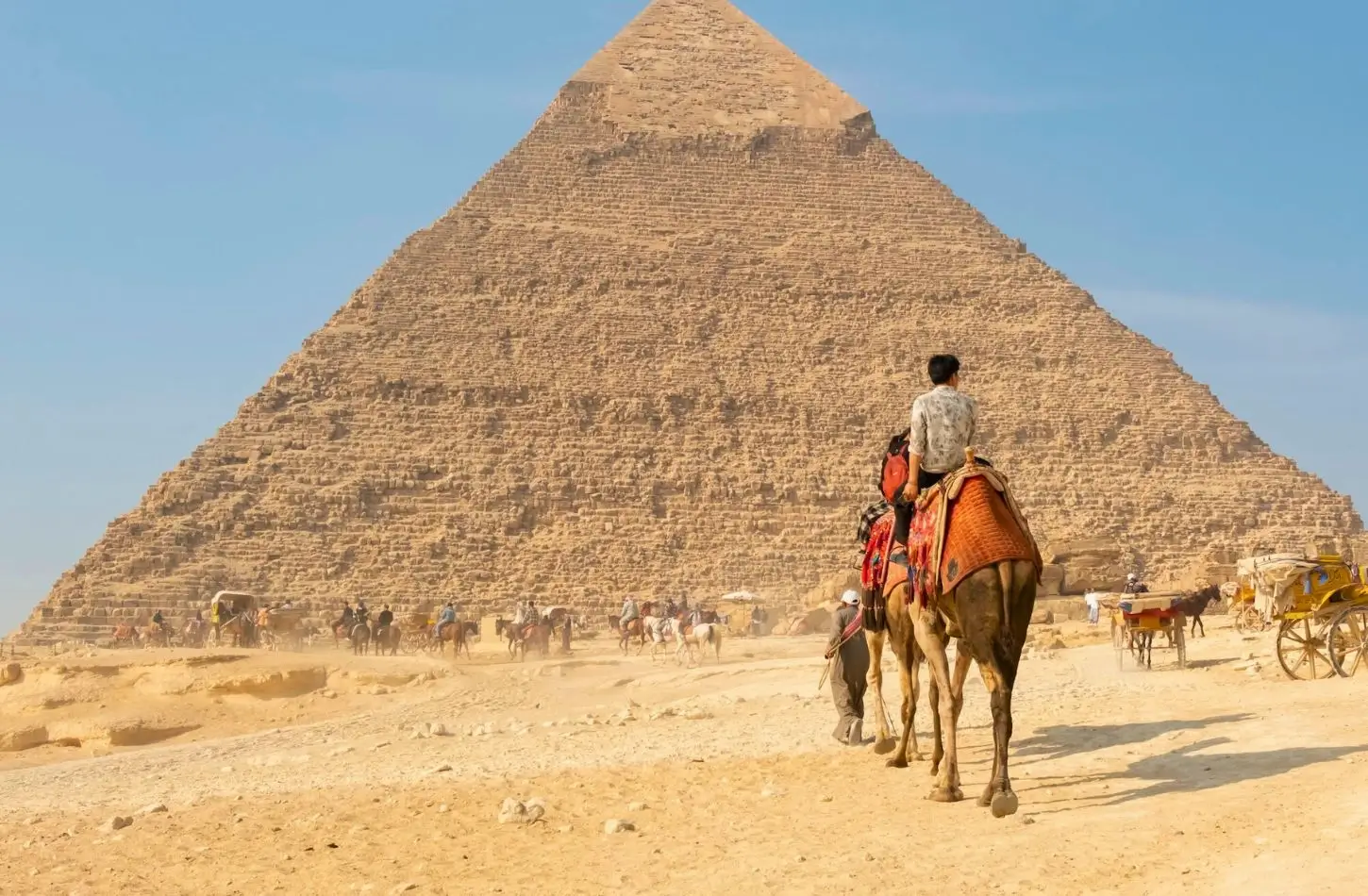
No journey through the Best places to visit in Egypt begins anywhere but the legendary Giza Pyramid plateau. Located just outside Cairo, these monumental tombs were built during the Fourth Dynasty and remain the only surviving Wonder of the Ancient World, which is the top attraction to visit in Egypt.
Historical Purpose and Symbolism
The pyramids were royal tombs, designed to protect the body of the pharaoh and ensure his rebirth in the afterlife. The ancient Egyptians believed the soul required a preserved body and offerings to continue its journey. The pyramid shape symbolized the rays of the sun, connecting the ruler to the sun god Ra.
The precision of alignment with the cardinal directions continues to fascinate engineers. The Great Pyramid originally stood taller and was encased in smooth limestone that reflected sunlight like a beacon across the desert.
Architectural Brilliance
The internal structure includes ascending corridors, the Grand Gallery, and the King’s Chamber, built from massive granite blocks transported from Aswan. The simplicity of the interior contrasts with the massive external geometry. There are no decorative wall carvings inside the main chambers, emphasizing structural strength and sacred function over ornamentation.
Nearby stands the Sphinx, carved from a single limestone ridge, guarding the plateau with silent authority. Together, these monuments define why this site remains one of the Best places to visit in Egypt for travelers seeking timeless wonder.
Cairo: Layers of Islamic and Coptic Heritage
Egypt’s capital offers a living blend of ancient and medieval history. Exploring Cairo, Islamic, and Coptic traditions in one city reveals the depth of Egypt’s cultural continuity.
Book your Cairo Tours today and experience the magic, culture, and history of Egypt’s iconic capital.
Islamic Cairo: Best places to visit in Egypt
Islamic Cairo flourished under the Fatimid, Ayyubid, and Mamluk dynasties. Mosques such as Sultan Hassan and Al-Rifa’i demonstrate monumental scale and intricate design. High vaulted ceilings, carved stone façades, and wooden mashrabiya screens create visual harmony and spiritual serenity.
The interiors of these mosques emphasize geometric precision and calligraphy rather than figurative art. Courtyards allow natural light to filter inward, while marble floors cool the space beneath the desert sun. The Citadel of Saladin, perched on a hill, offers sweeping views of the city and showcases Ottoman architectural influence in the Mosque of Muhammad Ali.
Coptic Cairo: Early Christianity in Egypt
In Coptic Cairo, narrow streets lead to ancient churches such as the Hanging Church and the Church of St. Sergius. Their interiors feature wooden icon screens, golden icons, and symbolic motifs representing biblical stories.
These churches were designed not only for worship but also as community centers. Their architectural simplicity contrasts with the grand scale of Islamic monuments, yet both traditions reflect deep spiritual devotion.
Modern Cultural Expansion
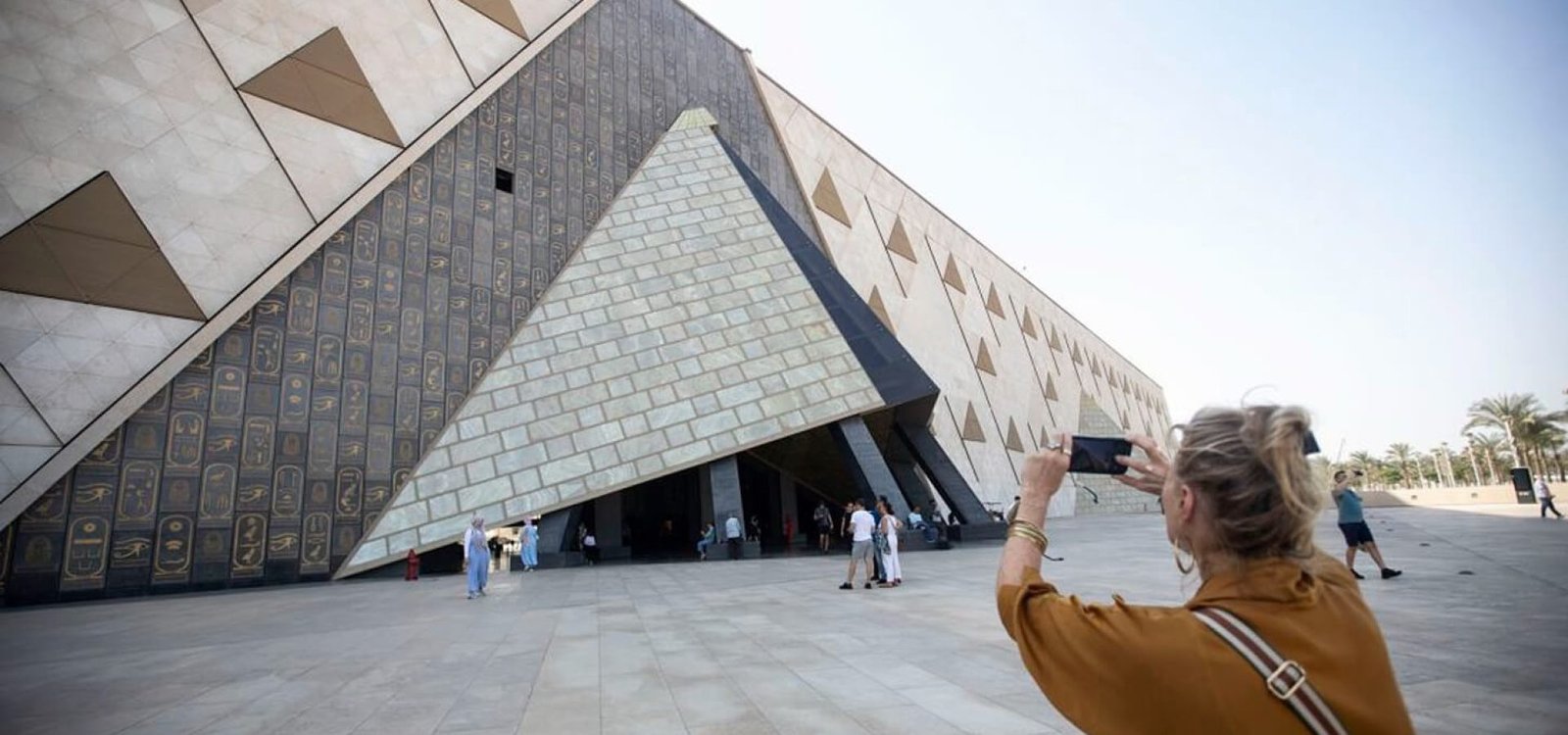
Cairo also houses the Egyptian Museum and the new Grand Egyptian Museum near Giza. Contemporary architecture here integrates glass facades and open halls, allowing artifacts to take visual precedence.
Cairo remains central among the Best places to visit in Egypt because it bridges all historical eras seamlessly.
Alexandria: Mediterranean Spirit and Greco-Roman Legacy
Founded by Alexander the Great, Alexandria brought Hellenistic influence to Egypt. Its coastal setting offers a different experience from desert cities.
Historical Highlights
The ancient Lighthouse of Pharos once guided ships safely to harbor. The Catacombs of Kom El Shoqafa blend Egyptian, Greek, and Roman art styles, reflecting Alexandria’s multicultural identity.
Architecture and Urban Design
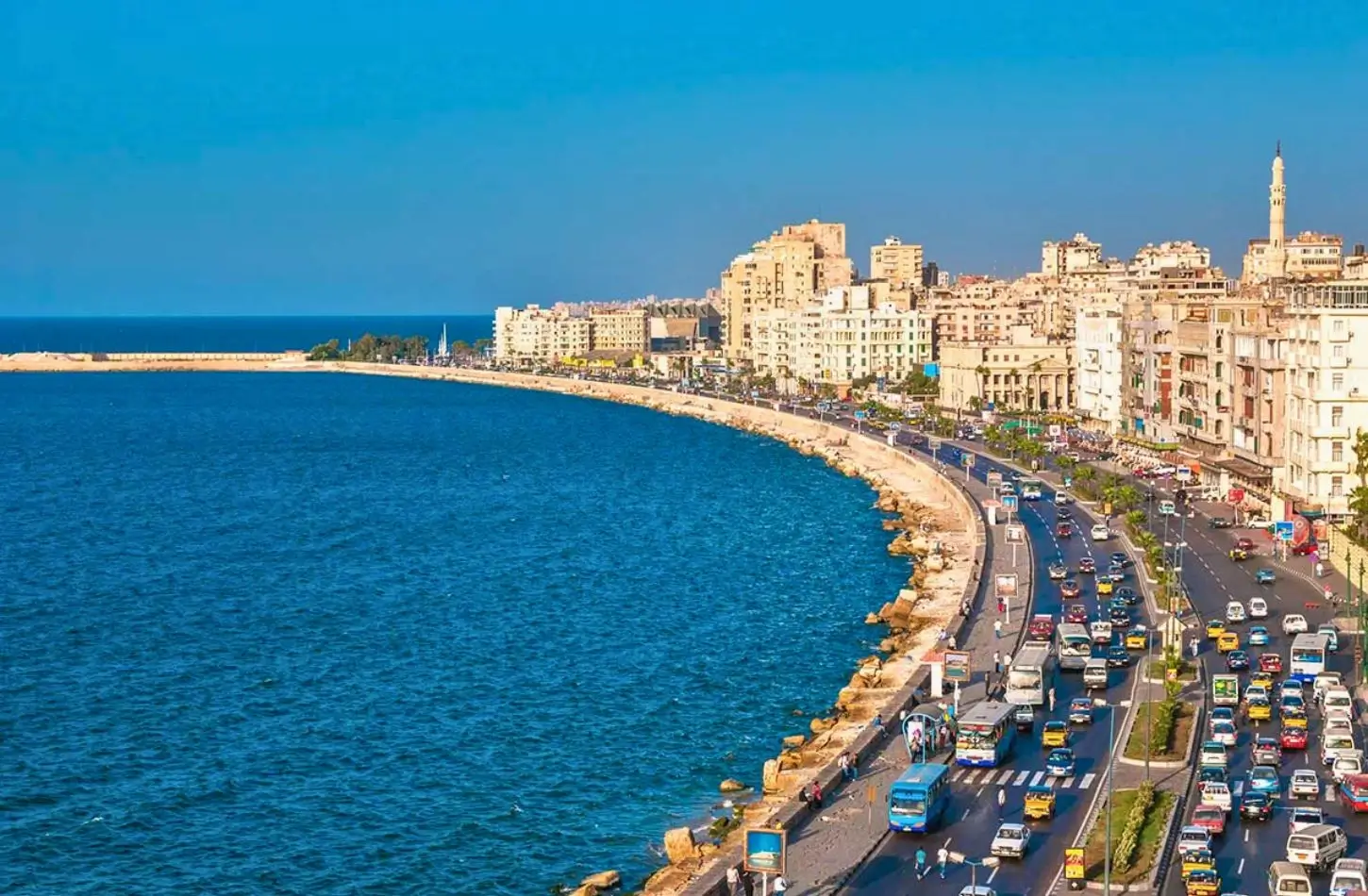
The Corniche stretches along the Mediterranean Sea, lined with colonial-era buildings featuring balconies and European detailing. The modern Bibliotheca Alexandrina stands as a symbol of knowledge reborn, with a slanted roof design representing the rising sun.
Inside, open reading spaces and minimalistic design highlight intellectual freedom and cultural exchange. Alexandria’s coastal charm secures its place among the Best places to visit in Egypt.
The Red Sea Coast: Coral Kingdoms and Coastal Luxury
The red sea cost region presents a completely different Egypt—one defined by turquoise waters, extraordinary marine biodiversity, and contemporary resort architecture. While Upper Egypt is known for temples and tombs, the Red Sea shoreline offers sun-drenched beaches, world-class diving, and a refined coastal lifestyle that blends relaxation with adventure.
Hurghada
Hurghada began as a small fishing village before transforming into one of Egypt’s most popular seaside destinations. Today, it stretches along miles of sandy beaches lined with resorts, marinas, and lively promenades. Hurghada is particularly famous for its accessibility and family-friendly atmosphere, making it ideal for both first-time visitors and experienced divers.
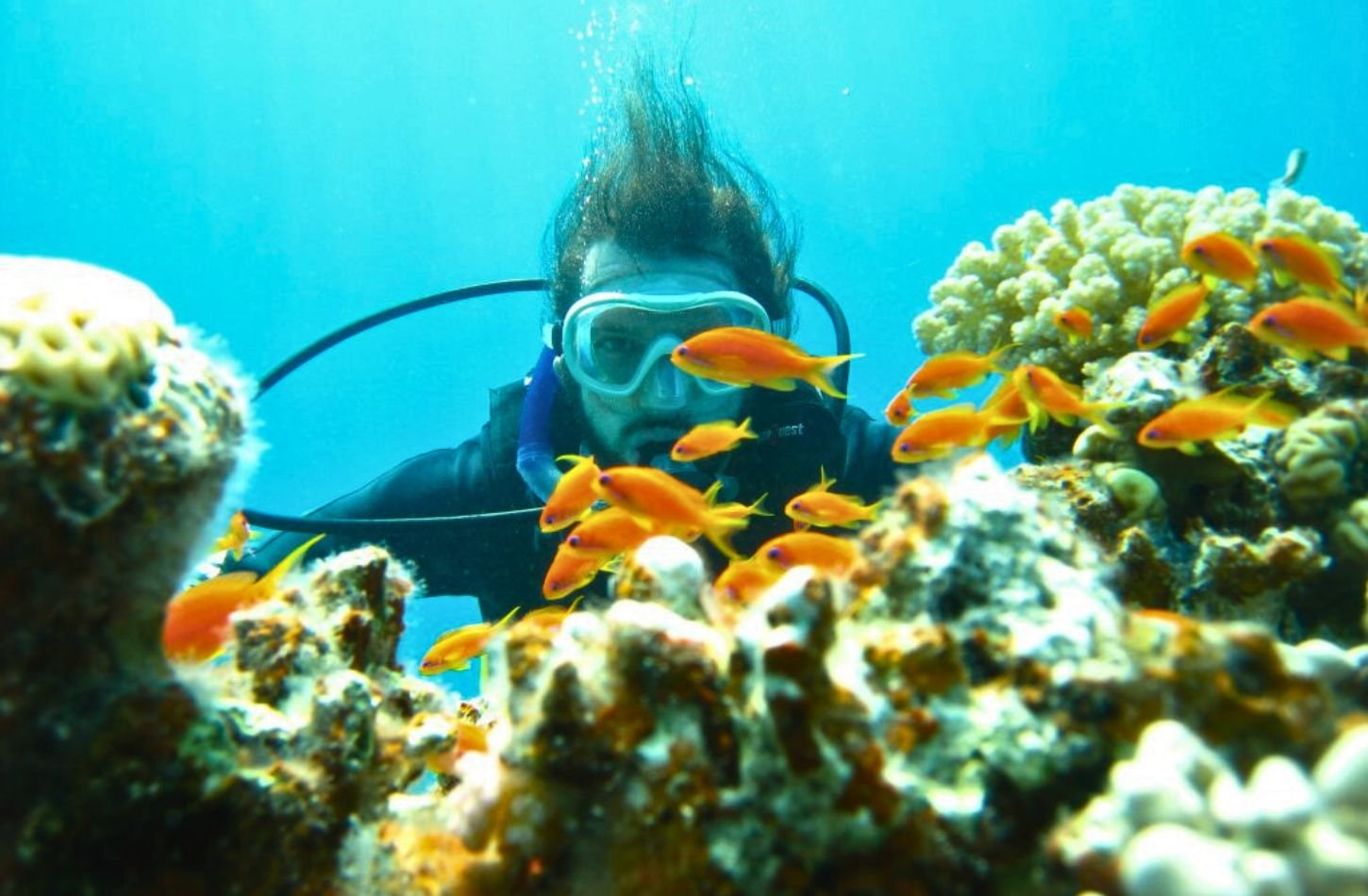
The nearby Giftun Islands are known for crystal-clear waters and vibrant coral reefs. Snorkelers and divers encounter colorful fish, sea turtles, and thriving coral gardens just offshore. On land, Hurghada offers desert safaris into the Eastern Desert, where travelers can experience Bedouin hospitality and panoramic mountain views.
Architecturally, many resorts in Hurghada combine Mediterranean-style white façades with Nubian-inspired domes. Interiors emphasize open spaces, light fabrics, and panoramic sea views. Luxury hotels often include expansive swimming pools, private beaches, spa centers, and fine-dining restaurants, creating a complete coastal retreat.
Discover the beauty of Hurghada with unforgettable Hurghada Tours designed for relaxation and adventure. Snorkel in crystal-clear waters, explore vibrant coral reefs, enjoy island boat trips, or experience thrilling desert safaris.
Sharm El-Sheikh
Sharm El-Sheikh sits at the southern tip of the Sinai Peninsula and is internationally recognized as a premier diving destination. Its proximity to Ras Mohammed National Park makes it one of the best places in the world to explore coral reefs and dramatic underwater drop-offs. The marine life here is exceptionally diverse, attracting divers from across the globe.
Sharm’s coastline features sheltered bays such as Naama Bay and Shark’s Bay, where calm waters allow for year-round snorkeling and swimming. Beyond the sea, the Sinai mountains provide breathtaking desert landscapes ideal for hiking and quad biking adventures.
Resort architecture in Sharm El-Sheikh often reflects a blend of Arabian and contemporary design. Grand entrance halls, decorative arches, and expansive terraces define many five-star properties. Interiors are designed with polished stone, elegant lighting, and cool color palettes that echo the surrounding sea. Luxury accommodations frequently include private beaches, infinity pools overlooking the Red Sea, and spa facilities offering wellness treatments inspired by regional traditions.
Whether you seek marine adventures, luxury resorts, or unforgettable sunsets, Sharm El-Sheikh has it all. Book your Sharm El Sheikh Tour today and discover the ultimate Red Sea escape.

Marsa Alam
Marsa Alam offers a quieter, more untouched alternative along the southern Red Sea coast. Known for its pristine reefs and less crowded beaches, Marsa Alam appeals to travelers seeking tranquility and raw natural beauty. It is one of the best places in Egypt to spot dolphins, dugongs, and even reef sharks in their natural habitat.
Elphinstone Reef, located offshore, is famous among experienced divers for its dramatic walls and vibrant coral formations. The region’s protected marine areas help preserve biodiversity, making it a paradise for eco-conscious visitors.
Resorts in Marsa Alam are often designed to harmonize with the surrounding desert landscape. Earth-toned exteriors, stone pathways, and landscaped gardens create a seamless transition between architecture and nature. Interiors prioritize comfort and simplicity, with spacious rooms opening directly onto the sea or gardens. Many luxury resorts feature spa centers, yoga spaces, and private beach cabanas that enhance the peaceful atmosphere.
Experience the serene beauty of Marsa Alam with Marsa Alam Tours, the perfect choice for travelers seeking tranquility and natural wonders.
Natural and Marine Attractions
Across the entire Red Sea coast, coral reefs and clear waters remain the main attraction. Colorful coral gardens, tropical fish, and dramatic underwater landscapes create a marine world that rivals any on Earth. Snorkelers enjoy shallow lagoons filled with life, while divers explore deeper reefs and historic shipwrecks.
Desert Adventures
Beyond the shoreline, the Eastern Desert and Sinai landscapes invite exploration. Quad biking, camel rides, and Bedouin-style dinners under the stars offer a strong contrast to the coastal luxury. Mountains rise dramatically behind resort towns, emphasizing the meeting point between sea and sand.
Resort Architecture and Interior Design
Resorts along the coast often blend Nubian-inspired domes with Mediterranean whitewashed walls. Interiors feature open-plan lobbies, natural stone finishes, and sea-facing terraces. Large windows maximize natural light, reflecting the ocean’s blue tones throughout the space. Luxury resorts incorporate spa facilities, infinity pools, and landscaped gardens designed to harmonize with the desert climate. Earth-toned palettes dominate interiors, enhancing relaxation and elegance.
Purpose of Coastal Development
Originally small fishing communities, these Red Sea towns transformed into tourism hubs in the late twentieth century. Their purpose shifted toward hospitality and marine conservation, balancing economic growth with reef protection initiatives.
The Red Sea region is undeniably one of the Best places to visit in Egypt for travelers seeking relaxation, adventure, and architectural elegance by the sea.
Luxor: The World’s Greatest Open-Air Museum
Few destinations in the world compare to Luxor in archaeological richness. Once known as Thebes, it served as Egypt’s capital during the New Kingdom. With Luxor Tours, you can explore the magnificent Karnak and Luxor Temples, wander the Valley of the Kings, and marvel at the Temple of Hatshepsut.
Experience history up close with expert guides who bring ancient stories to life while cruising the Nile or walking through these timeless monuments.
Karnak Temple Complex
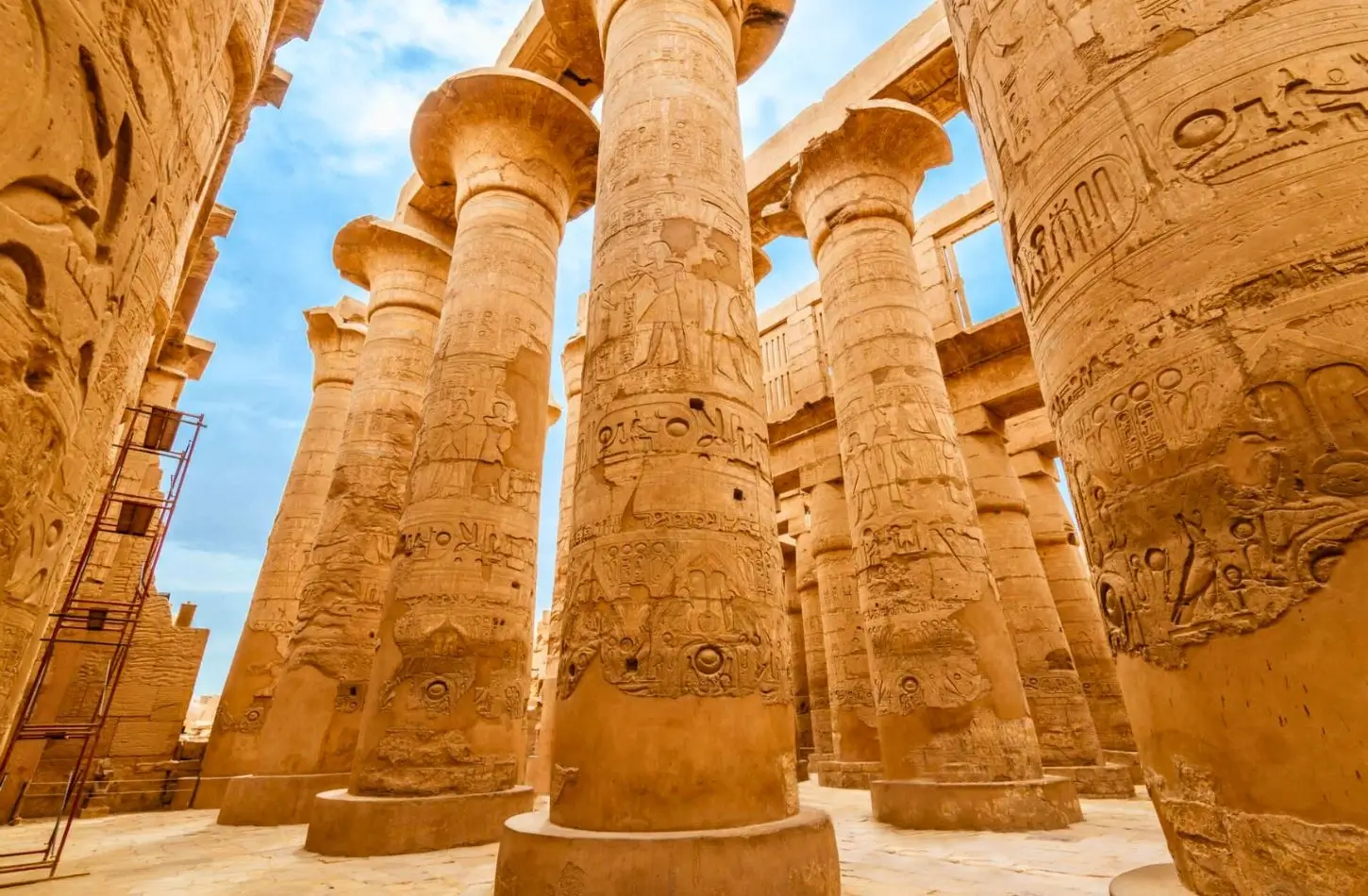
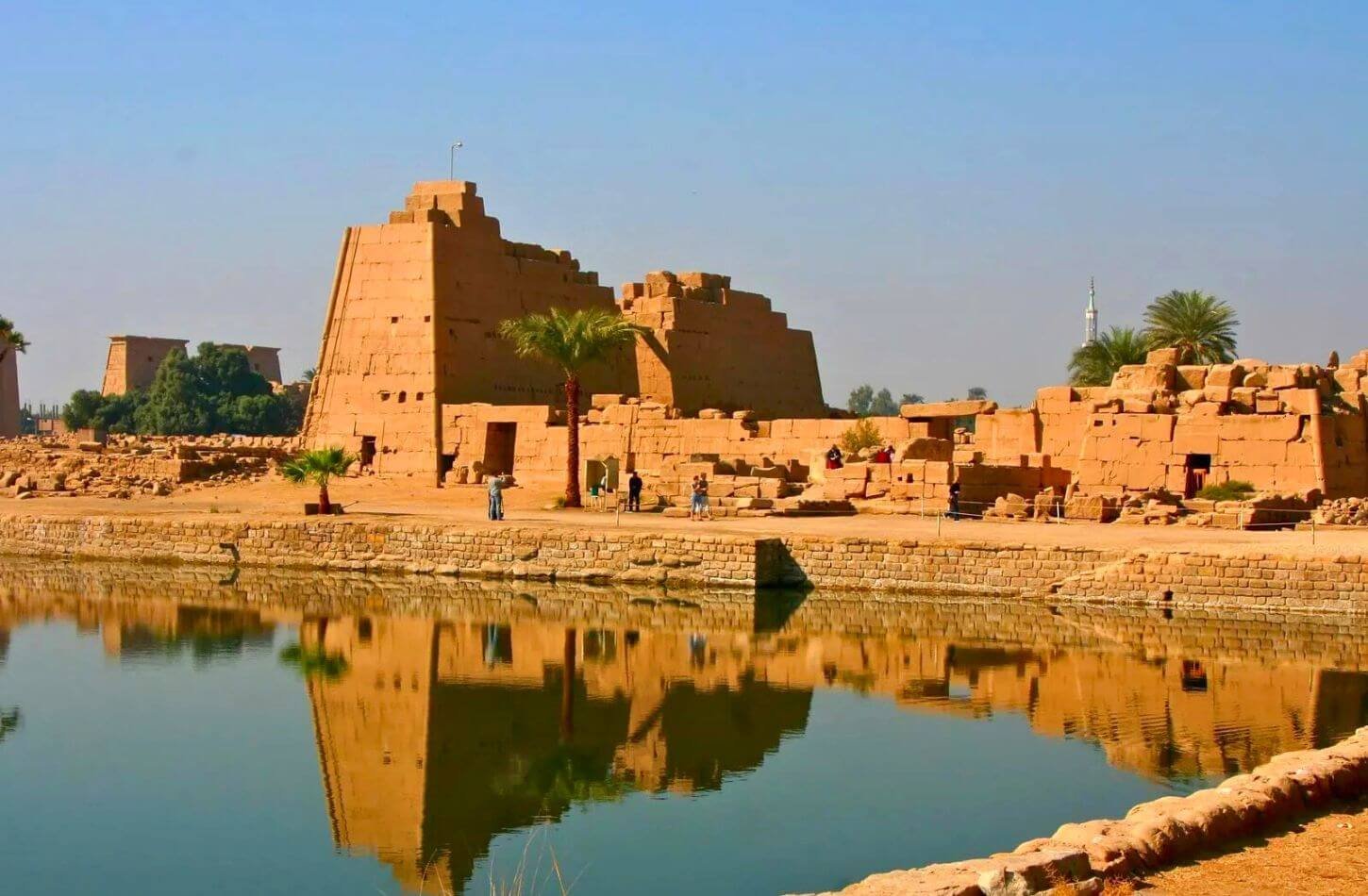
Karnak is not a single temple but a vast religious city developed over centuries. Its Hypostyle Hall contains 134 colossal columns arranged in perfect symmetry. Each column is carved with hieroglyphics narrating victories and divine connections.
The scale of Karnak reflects the power of pharaohs who sought to demonstrate their divine authority. Sacred lakes and obelisks punctuate the complex, emphasizing cosmic alignment. Make it the top attraction to see in Egypt
Luxor Temple
Connected to Karnak by the ancient Avenue of Sphinxes, Luxor Temple was primarily used for royal ceremonies. At night, golden illumination highlights its towering statues and pylons.
Inside, relief carvings depict coronation rituals and religious festivals. The layout progresses from open courtyards to increasingly restricted sanctuaries, symbolizing a journey toward spiritual purity.
Valley of the Kings
Across the Nile lies the Valley of the Kings, where pharaohs, including Tutankhamun, were buried. Tomb interiors are masterpieces of ancient interior design. Walls are covered in vibrant paintings illustrating the Book of the Dead, guiding the king through the afterlife.
Unlike pyramids, these tombs were carved into rock to prevent looting. Narrow corridors lead to burial chambers decorated with astronomical ceilings and symbolic imagery.
Temple of Hatshepsut
Built into limestone cliffs at Deir el-Bahari, this mortuary temple stands as an architectural innovation. Terraced colonnades rise gracefully against the mountain backdrop. Relief scenes depict trade expeditions and divine birth narratives.
Colossi of Memnon and Medinet Habu
The Colossi of Memnon, two massive statues of Amenhotep III, guard the Theban necropolis. Medinet Habu, the mortuary temple of Ramses III, preserves detailed battle scenes carved deeply into stone.
Modern Luxor Experience
Today, Luxor combines archaeological tourism with traditional village life. Felucca boats sail along the Nile at sunset, while local markets sell handcrafted souvenirs.
Luxor’s concentration of temples, tombs, and monuments secures its status among the Best Places to Visit in Egypt for history lovers seeking immersive exploration.
Aswan: Nubian Beauty and Timeless Calm
Further south, Aswan offers a serene escape and rich cultural experiences. With Aswan Tours, travelers can explore a unique blend of history, architecture, and vibrant local traditions while enjoying the peaceful Nile setting. Aswan is considered one of the top attractions to visit in Egypt, thanks to its stunning temples, Nubian villages, islands, and breathtaking river views that provide an unforgettable glimpse into both ancient and modern Egyptian life.
Philae Temple
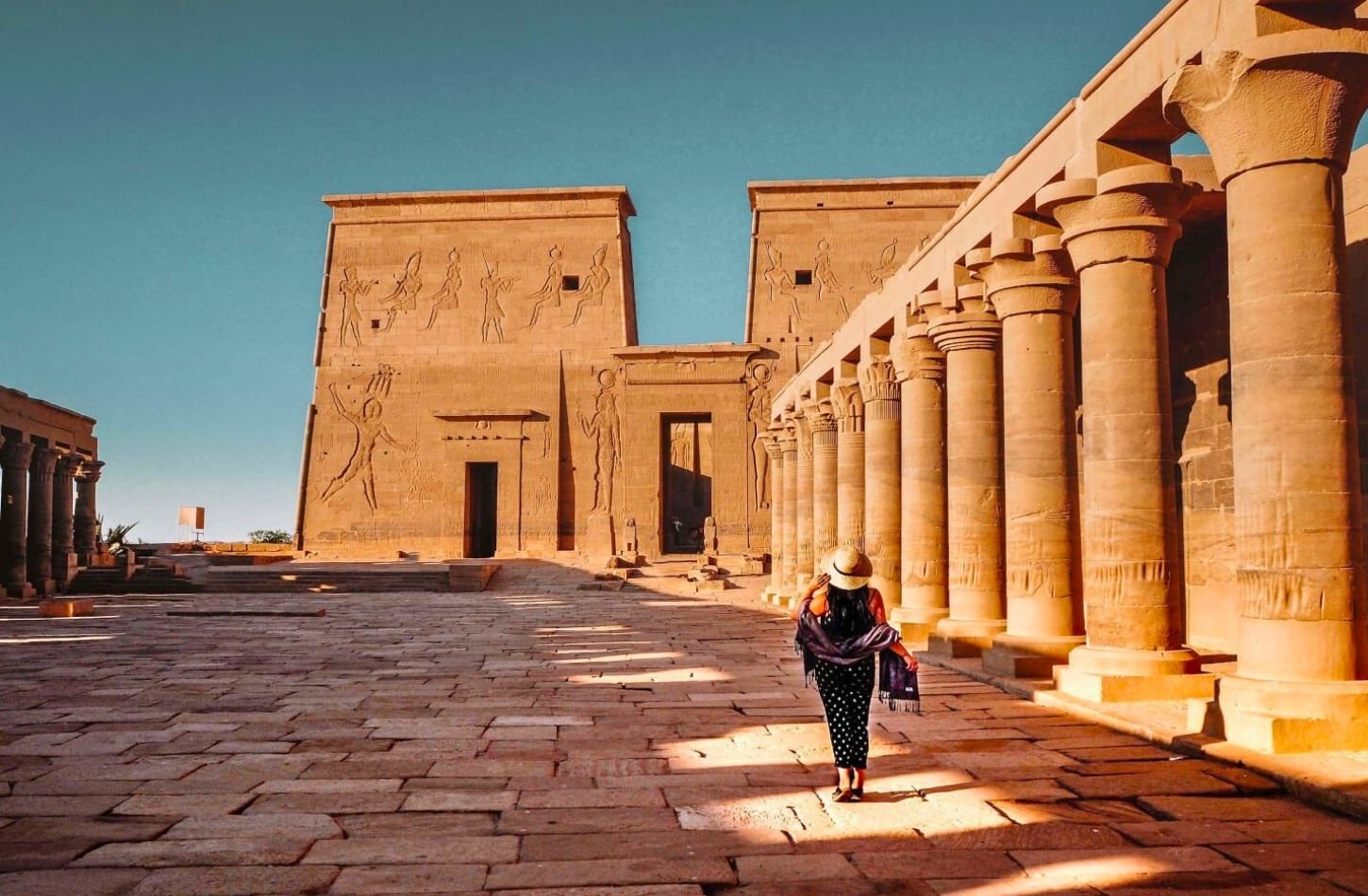
Dedicated to the goddess Isis, Philae Temple was carefully relocated to protect it from flooding after the construction of the High Dam. Its elegant colonnades, intricate carvings, and detailed reliefs showcase the artistry of late ancient Egypt. Visiting Philae offers an intimate look at religious life and the spiritual architecture of the Nile’s southern region.
Abu Simbel
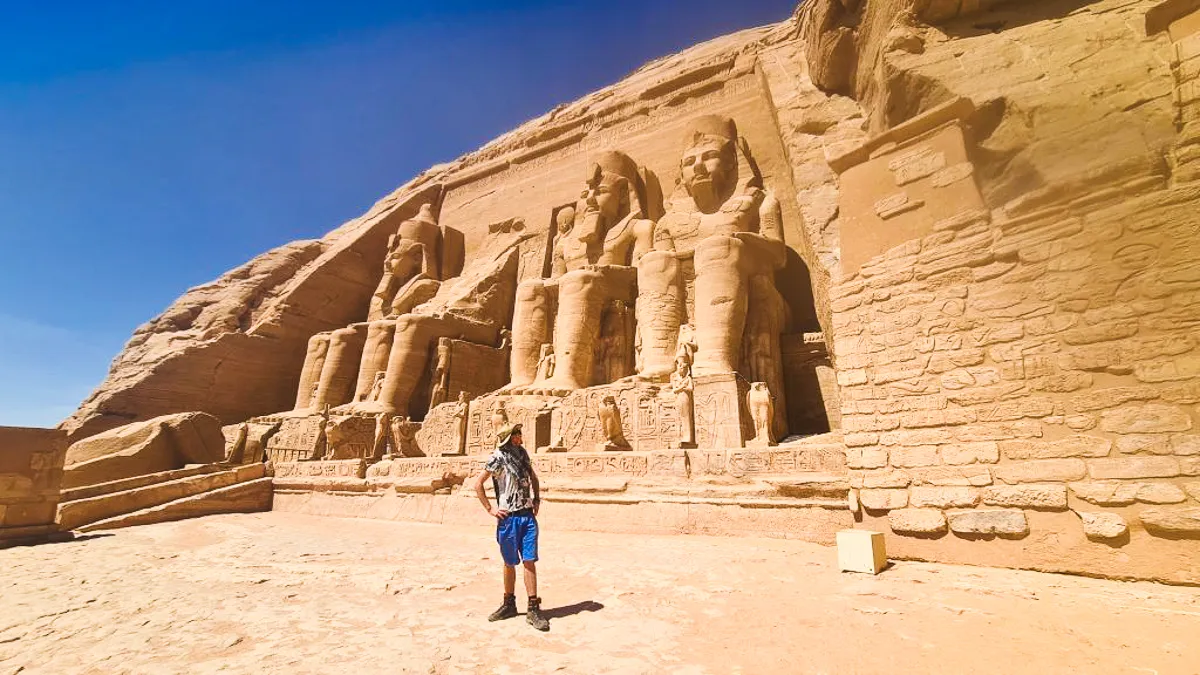
Many travelers use Aswan as a base to visit Abu Simbel, the monumental temples carved by Ramses II into towering cliffs. These temples are engineered so sunlight illuminates the inner statues twice a year, an astonishing display of ancient precision. Aswan Tours often include comfortable transport to Abu Simbel, combining history with convenience.
Nubian Villages
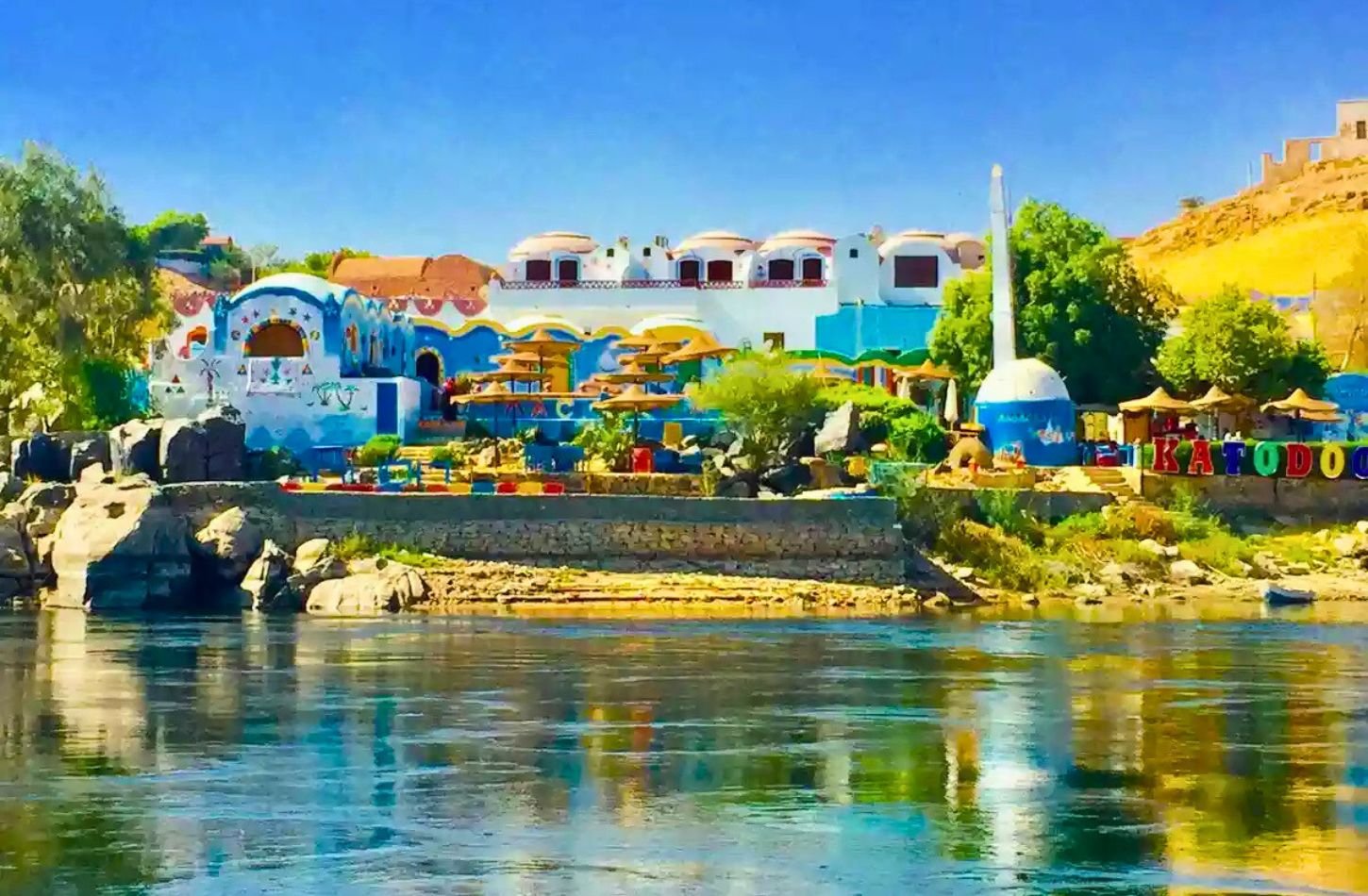
Aswan Tours also highlight the vibrant culture of Nubian villages. Homes painted in bright blues, yellows, and reds are decorated with geometric and symbolic motifs. Interiors often feature open courtyards, which encourage airflow and provide communal gathering spaces, reflecting centuries of architectural adaptation to the hot climate. Visitors can enjoy traditional music, crafts, and cuisine while interacting with local families.
Elephantine Island and Botanical Gardens
Elephantine Island offers a glimpse of Aswan’s ancient past with ruins and nilometers used to measure the Nile’s flood levels. Nearby botanical gardens showcase exotic plants introduced during colonial times, adding a colorful contrast to the desert backdrop. Walking through these gardens while cruising the Nile provides both relaxation and education.
The High Dam
The Aswan High Dam is a modern marvel that transformed agriculture and electricity production in Egypt. Its presence reshaped the Nile’s natural flooding cycle, allowing fertile lands to flourish and supporting sustainable development. Many Aswan Tours include a visit to the dam, highlighting both ancient and modern engineering achievements along the Nile.
Experiencing Aswan
With its gentle rhythm, breathtaking river views, and rich historical sites, Aswan is ideal for travelers seeking cultural immersion and tranquility. Aswan Tours combine visits to temples, Nubian villages, islands, and modern engineering feats, offering a complete and unforgettable Egyptian experience.
The Oases: Life in the Desert
Egypt’s Western Desert contains several oases that once served as vital caravan stops linking the Nile Valley to North Africa. These fertile pockets of life, surrounded by vast stretches of sand, have sustained communities for thousands of years. Unlike the monumental temples of Upper Egypt, the oases reveal a quieter story of adaptation, trade, and resilience. Life here revolves around natural springs, date palm groves, and agricultural traditions that have changed little over centuries.
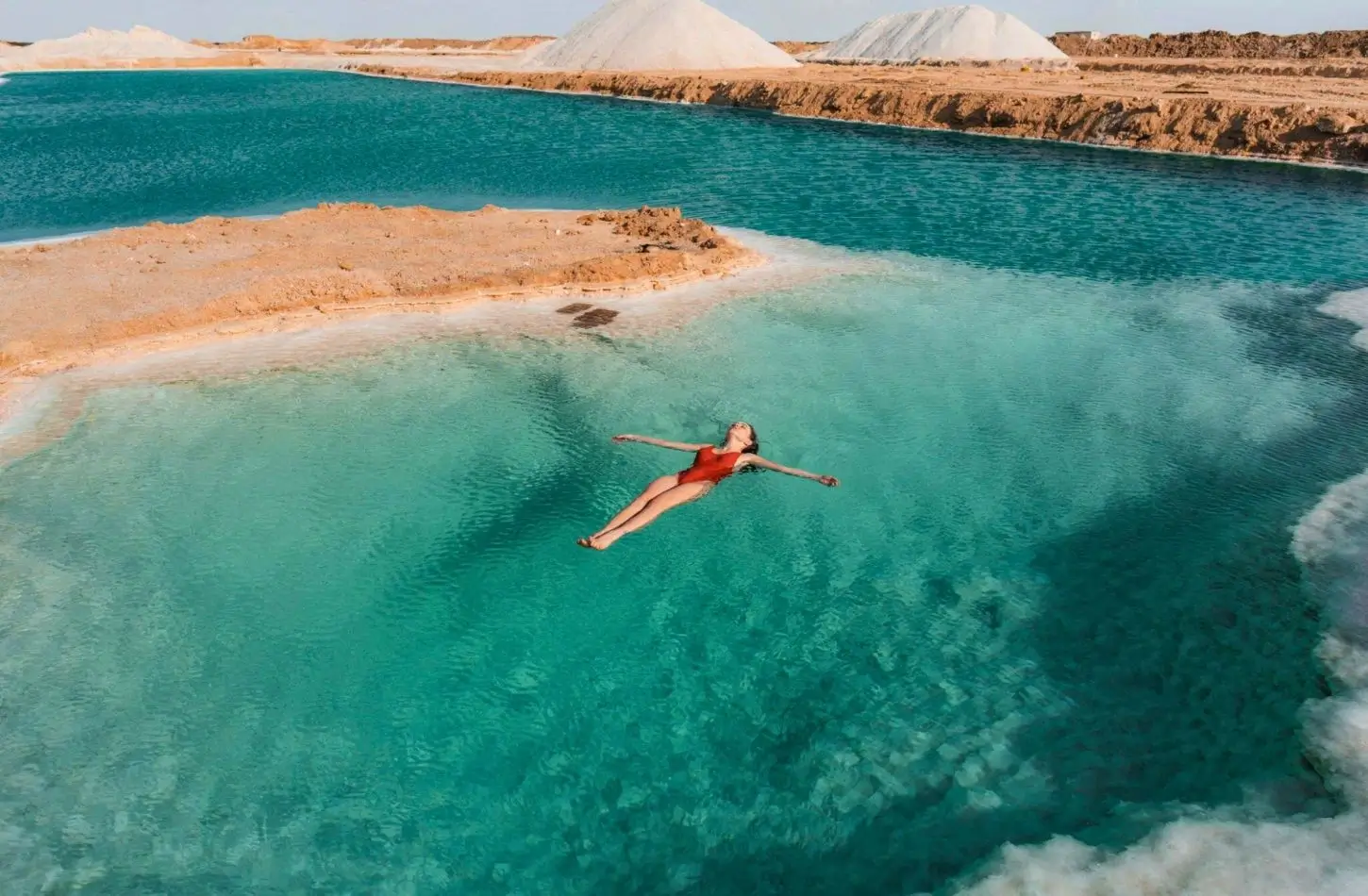
Beautiful Siwa Oasis, Best places to visit in Egypt
Near the Libyan border, Siwa preserves unique customs, language, and architecture built from kershef, a natural mixture of salt and mud designed to protect homes from extreme desert heat. The old fortress town of Shali rises dramatically from the landscape, its crumbling walls blending into the surrounding earth. Narrow alleyways and compact houses were designed to provide shade and defense against invaders.
Siwa is also famous for the Temple of the Oracle, where Alexander the Great is believed to have consulted the priests to confirm his divine status. Nearby salt lakes shimmer under the desert sun, offering therapeutic swimming experiences. Traditional Siwan houses feature simple yet functional interiors, often arranged around small courtyards that encourage airflow and privacy.
Bahariya and the White Desert
Bahariya Oasis acts as a gateway to the surreal landscapes of the White Desert. This protected area is known for its wind-sculpted chalk formations that resemble giant mushrooms, animals, and abstract shapes. The dramatic scenery feels almost otherworldly, especially at sunrise and sunset when the rocks glow in soft golden tones.
In Bahariya itself, visitors can explore palm gardens, natural hot springs, and ancient tombs dating back to the Greco-Roman period. Desert camps in this region combine minimalism with comfort, offering traditional Bedouin-style tents equipped with modern conveniences. Evenings are spent under vast star-filled skies, where silence and clarity create a profound sense of peace.
Dakhla and Kharga
Further south, Dakhla and Kharga oases present a rich blend of Pharaonic, Roman, and Islamic heritage. In Dakhla, the old town of Al-Qasr showcases mud-brick architecture with thick walls and narrow lanes designed for natural cooling. The houses are built close together to provide shade, demonstrating practical desert urban planning.
Kharga, the largest oasis, features impressive Roman-era temples such as the Temple of Hibis. These monuments reveal how different civilizations adapted their architectural styles to desert conditions. Fortified settlements and underground water systems highlight advanced engineering techniques developed to survive in arid environments.
Across all the oases, agriculture remains central to daily life. Date palms, olives, and small vegetable farms flourish thanks to underground aquifers. Local markets display handmade crafts, woven textiles, and traditional foods that reflect centuries-old desert culture.
Exploring these oasis landscapes reveals a completely different dimension of the Best Places to Visit in Egypt. Far from crowded cities and monumental temples, the oases offer authenticity, tranquility, and a deep connection to nature—reminding travelers that Egypt’s story is not only carved in stone but also rooted in the quiet endurance of desert communities.
Nile Cruises: Floating Through History
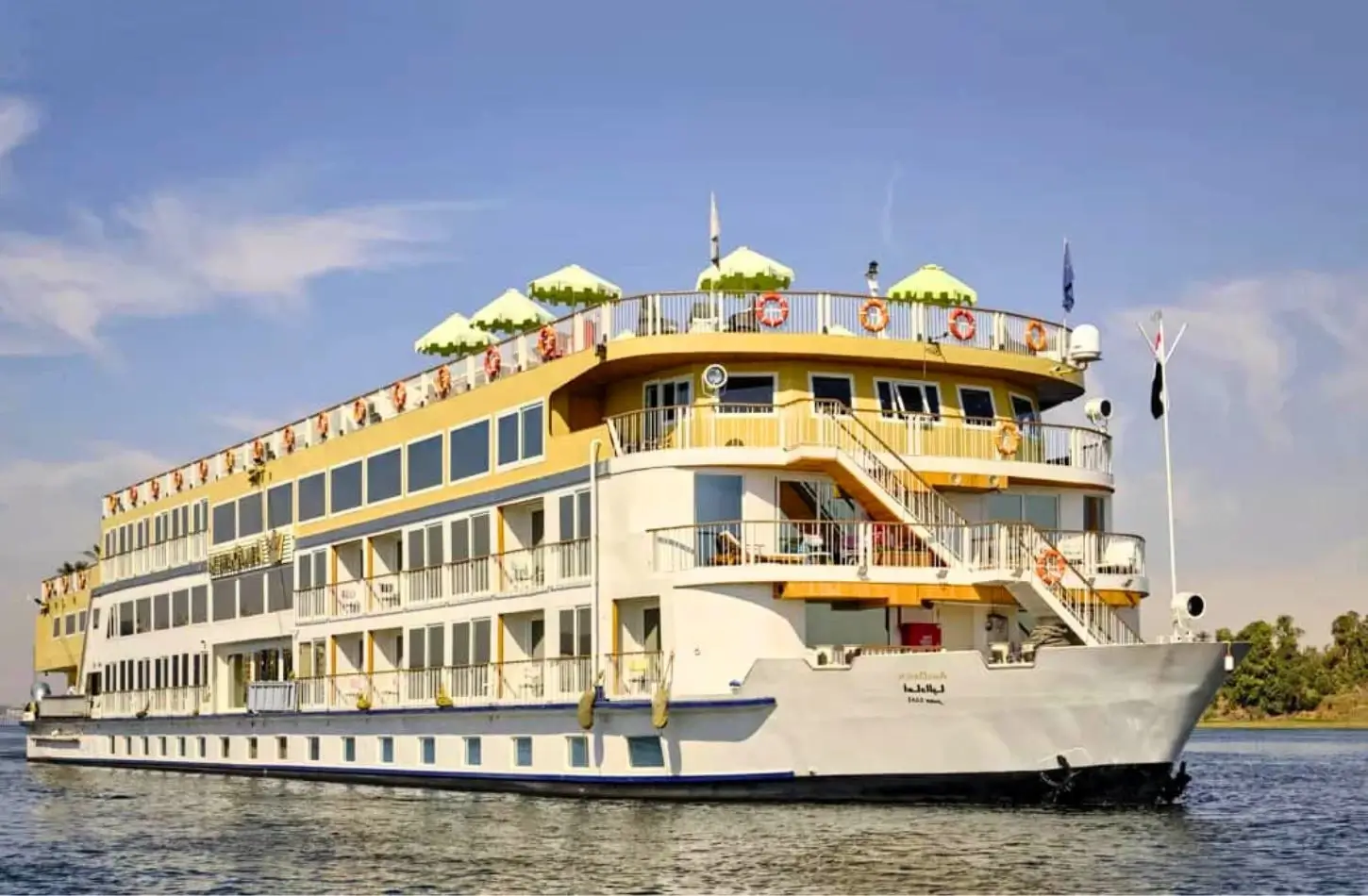
Traveling by Nile cruises remains one of the most enchanting ways to experience Upper Egypt with family, for solo travelers, or couples for their honeymoon. Instead of rushing between cities by road, you glide peacefully along the river that shaped one of the world’s greatest civilizations. The Nile becomes more than scenery; it becomes part of the journey itself, connecting ancient temples, rural landscapes, and modern hospitality in one seamless experience.
Historical Context
For thousands of years, the Nile functioned as Egypt’s highway. Trade, communication, agriculture, and religious ceremonies depended on its annual floods. Massive stone blocks for temples were transported along these waters, and pharaohs sailed in ceremonial barges during sacred festivals. The river was the lifeline of the nation, sustaining both economic strength and spiritual belief. Cruising today follows the same historic path once used by kings, priests, and merchants.
Modern Cruise Experience
Modern Nile cruises blend tradition with refined comfort. Interiors often feature polished wood, elegant marble touches, and panoramic lounges that offer uninterrupted river views. Cabins are designed for relaxation, with large windows, soft bedding, climate control, and subtle Egyptian-inspired decor that reflects local heritage without sacrificing contemporary style.
Dining on board adds to the experience, with expertly prepared international cuisine and authentic Egyptian dishes served in stylish restaurants overlooking the water. Evenings may include cultural entertainment, creating a balanced mix of leisure and tradition.
Luxury Nile Cruises and 5-Star Nile Cruises
For travelers seeking elevated comfort, luxury Nile cruises provide a sophisticated atmosphere comparable to high-end resorts. Spacious sun decks with swimming pools, spa services, fine dining, and attentive staff create a premium experience from start to finish.
5-star Nile cruises offer even more exclusivity, featuring elegant suites, private balconies, personalized service, and refined interior design. These floating hotels combine modern amenities with touches of ancient inspiration, ensuring guests travel in complete comfort while surrounded by history.
Scenic Journey
Cruising the Nile between Luxor and Aswan allows visitors to explore remarkable temples such as Edfu and Kom Ombo while enjoying ever-changing scenery. Palm groves, desert hills, and traditional villages pass slowly by, offering authentic glimpses of life along the river.
Sunsets over the Nile are unforgettable, casting golden reflections across the water as guests relax on the open deck. This combination of cultural discovery, scenic beauty, and five-star hospitality is what makes Nile cruises one of the most memorable highlights among the Best places to visit in Egypt.
Conclusion: Best places to visit in Egypt
The Best places to visit in Egypt extend far beyond a single landmark. They encompass pyramids engineered with mathematical brilliance, temples adorned with sacred carvings, coastal resorts blending luxury and sustainability, and desert communities shaped by resilience.
From the grandeur of Luxor’s temples to the tranquility of Aswan, from the vibrant reefs of the Red Sea to the historic streets of Cairo and Alexandria, Egypt offers unmatched diversity. Architecture here is not merely structural; it is symbolic, spiritual, and functional. Interiors tell stories of kings and gods, merchants and monks, explorers and modern travelers.
Egypt invites you not only to observe history but to walk through it, sail across it, and live within it. That is why, generation after generation, it remains one of the world’s most compelling destinations—and why the Best places to visit in Egypt continue to inspire travelers from every corner of the globe.